The Masai Mara and the Serengeti are one ecosystem split by a border. The same wildebeest, the same lions and the same Mara River run through both. But a trip to each feels very different, and so does the bill. Here’s how to choose.
The Quick Verdict
- Pick the Mara if you have 3-4 days, want big cats almost guaranteed, and prefer a short trip from Nairobi.
- Pick the Serengeti if you have 5+ days, want space and quiet, and care about seeing the migration at different stages of its cycle.
Size and Feel
The Serengeti is huge. The national park alone covers roughly 14,750 km², so you can drive for hours and see only a handful of other vehicles. The Mara reserve is around a tenth of that size. It’s compact, animal density is high, and sightings come fast. The trade-off is that during river-crossing season, popular spots can get busy.
The Mara feels like a greatest-hits reel. The Serengeti feels like a road trip that happens to be full of lions.
The Great Migration
Calving takes place in the southern Serengeti and Ndutu area from roughly late January to March. Around June the herds move through the western Serengeti, where the Grumeti River crossings happen. From July to October they reach the northern Serengeti and the Mara, where the Mara River crossings are the headline act. August and September are usually the strongest months for crossings.
That means the Serengeti hosts the herds for about nine months of the year, so it gives you far more chances to catch them. The Mara offers a shorter window, but it’s the classic image: herds massed on the bank, a long standoff, then a sudden plunge. Crossings can’t be scheduled, so give yourself four or five nights if that’s your main goal.
It’s late October now, so the herds are typically starting to drift back south. If you’re travelling in the next few weeks, expect superb resident wildlife rather than peak crossings.
Park Fees (Non-Resident Adults)
Masai Mara (Kenya). Fees are USD 100 per day from January to June and USD 200 per day from July to December 2026. Children aged 9-17 pay USD 50. Camping costs extra: USD 30 per adult per night at public campsites and USD 40 at private ones. Overstay your 24 hours and you can be charged for another full day, so plan your exit time.
Conservancies bordering the reserve have their own fees, usually bundled into camp rates. Ask what’s included.
Serengeti (Tanzania). Entry is about USD 82.60 per adult per 24 hours, including 18% VAT (often rounded to USD 83). Children aged 5-15 pay about USD 24. If you sleep inside the park at a lodge or camp, there’s also a concession fee of about USD 70.80 per adult per night (USD 60 plus VAT). That brings a night inside the park to roughly USD 153 per adult. Some older listings show lower or seasonal rates, so confirm the current figure. Tanzania has also discussed further annual increases, so check before you book.
Payments in Tanzania’s parks are cashless. Most safari packages already include these fees, but always ask.
What that means in practice: three peak-season days in the Mara cost USD 600 per adult in gate fees. Three 24-hour periods sleeping inside the Serengeti cost roughly USD 460. Staying outside the park boundary avoids the Serengeti concession fee, though you’ll lose some convenience.
What a Safari Costs Overall
For the Mara, one operator guide puts budget safaris at roughly USD 250-350 per person per day, midrange at USD 350-600, and luxury camps at USD 700-1,500+, with park fees of USD 100-200 per day on top in some quotes. Some budget camping trips start lower, around USD 180 per day, but check carefully whether park fees are inside that number.
For Tanzania, budget camping safaris run about USD 180-250 per person per day, and group-joining trips about USD 250-350.
Always compare quotes per person per day and check exactly what’s included: park fees, transfers, drinks and tips.
Getting There
Mara: From Nairobi, the drive is about 5.5-6.5 hours depending on which gate you use, and the last stretch is rough. Scheduled flights from Wilson Airport take about an hour, landing at airstrips inside and around the reserve. Flying saves time, but allow for check-in and transfers.
Serengeti: Most people base in Arusha. The drive to Naabi Hill Gate takes about 6 hours, and the central Serengeti (Seronera) about 7-8 hours in total. The most popular road route passes through the Ngorongoro Conservation Area, which has separate fees your operator will usually handle. Many itineraries break the drive with a night near Ngorongoro or Karatu. Flights from Arusha take about 1-1.5 hours.
Entry paperwork:
- Kenya: Visitors need an eTA, applied for online at etakenya.go.ke. The official fee for a single-entry eTA is USD 30. Some third-party sites charge more, and older guides quote the former USD 51 e-visa fee, so use the official portal only. Apply at least 3 days ahead.
- Tanzania: Most visitors pay USD 50 for a tourist visa. US citizens pay USD 100 for a multiple-entry visa. Tanzania is not covered by the East Africa Tourist Visa, so you need a separate one.
- Yellow fever: If you travel to Tanzania after spending time in Kenya, you will likely need a yellow fever vaccination certificate. Check current rules with your doctor or travel clinic.
Wildlife and Experiences
Mara: Big cats are the headline, and lion, leopard and cheetah sightings are excellent. A sunrise balloon flight over the plains is a must if your budget allows. If you visit a Maasai community, choose a community-run one and ask how the money is shared.
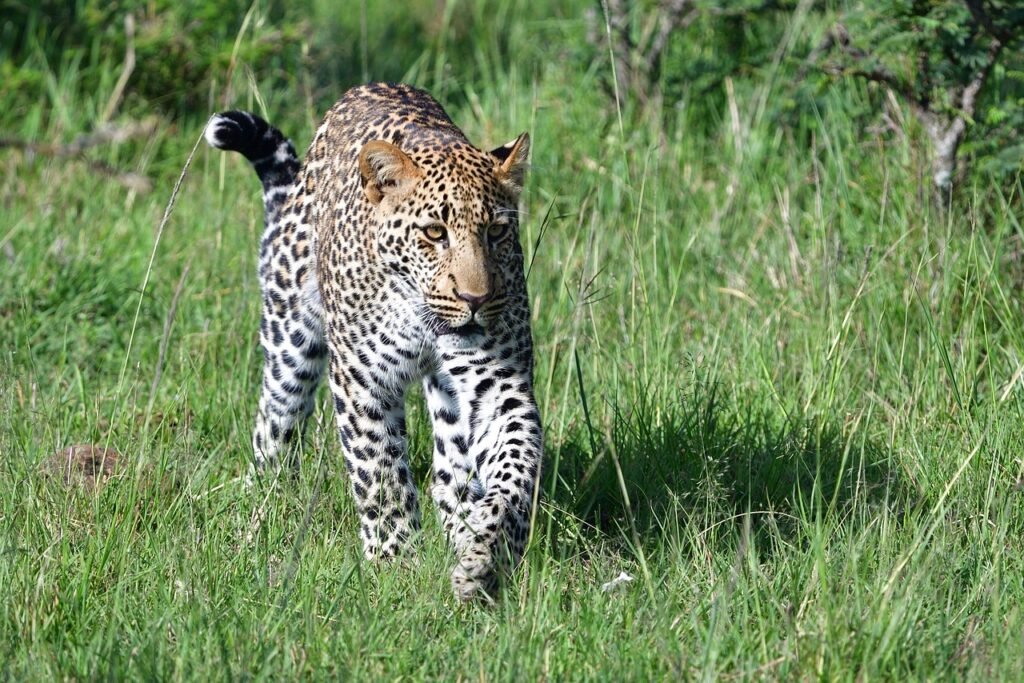
Serengeti: The sense of scale is unmatched. The central Seronera area is famous for leopards, the Ndutu plains for calving season, and the north for river drama with fewer vehicles than the Mara in peak season. Don’t miss a sunrise on the open plains, because the light hits different out there.
Food on Safari
Most lodge and camp stays are full board, so you’ll eat three meals a day at camp. Expect hearty breakfasts, packed lunches or a bush picnic, and a three-course dinner. Soups, grilled meats, curries, pasta and fresh fruit are standard.
Kenyan side: Try nyama choma (grilled meat), ugali (maize porridge), sukuma wiki (sautéed greens) and chapati. Tusker is the classic local beer.
Tanzanian side: Look for pilau, mishkaki (marinated skewers), ugali with beans or stew, and chips mayai if you’re passing through towns. Local beers include Safari, Kilimanjaro and Serengeti lager.
Tell your camp about dietary needs in advance. Remote kitchens handle vegetarian and allergy requests well, but only if they know ahead of time.
Backpacker Corner
Both parks are expensive, but there are ways to cut costs.
- Camp outside the Mara gates. Camps near Sekenani and Talek gates cost less than those inside the reserve. The daily gate fee is the same either way, so the saving is on accommodation.
- Visit in low season. In the Mara, January-June fees are half the July-December rate. The new 2027 low-season rate starts on 1 January.
- Join a group safari. Sharing a vehicle drops the per-person cost fast. Hostels in Nairobi and Arusha often have tour desks and noticeboards.
- Try Nairobi National Park first. It’s close to the city centre, and non-resident adults pay USD 80 per day (children USD 40). It’s a good warm-up if you’re short on time or money.
- Consider camping inside the parks. In both countries, camping carries its own per-night fee. Check current rates before you book.
- Book carefully. Very cheap deals often leave out park fees, tips or transfers. Choose operators with good recent reviews and a written itinerary.
Quick Comparison
| Masai Mara | Serengeti | |
|---|---|---|
| Best for | Short trips, big cats | Longer trips, space, variety |
| Migration | ~July-October | Most of the year |
| Crowds | Higher at crossings | Lower overall |
| Getting there | 5.5-6.5 hrs drive or ~1 hr flight from Nairobi | 6-8 hrs drive or 1-1.5 hrs flight from Arusha |
| Park fee (non-resident adult) | USD 200/day (Jul-Dec 2026), USD 100/day (Jan-Jun) | ~USD 82.60/day entry; ~USD 153 per 24 hrs if sleeping inside |
| Visa/entry | Kenya eTA (USD 30) | Tanzania visa (USD 50; USD 100 for US citizens) |
FAQs
Which is better for first-timers? The Mara works well for a short first safari. The Serengeti rewards those with more time.
Can I visit both? Yes, but it’s a big commitment. Plan at least 8-10 days and check border rules, visas and fees carefully, because the two parks are not trivially linked by road.
Is August always the best time? It’s the most popular, not guaranteed. Crossings depend on rain and herd movements, and you can have a great trip in other months, including calving season in the southern Serengeti (January-March).
Do I need malaria tablets? Talk to a travel clinic well before you go. Both regions are malarial, and a doctor can advise on the right option for you.
How much should I tip? One Tanzania guide estimates tips can add around USD 105-175 per person on a week-long safari. Ask your operator for guidance.
Are the fees likely to change? Yes. Kenya raised Mara fees in recent years and raised other park fees in October 2025, including Nairobi National Park to USD 80. Tanzania reviews fees annually. Always confirm current rates shortly before you travel.
Can I pay park fees in cash? In Tanzania, no: payments are cashless. Kenyan parks and the Mara also use online or card systems, so rely on your operator or the official portals.