Here’s the honest answer most travel blogs won’t give you upfront: dry season (April to October) is the best time to visit Bali, full stop. But even wet season can work — especially if you’re on a tight budget and don’t mind some afternoon showers. The mistake most backpackers make is showing up in July or August thinking it’ll be an easy, affordable trip. It won’t be. Crowds are intense, hostel prices spike, and Kuta feels like a beach festival gone wrong. In 2026, with Bali tourism at an all-time high, timing your trip right matters more than ever.
Bali Weather at a Glance
Here’s a quick snapshot of what to expect each month, including how it affects your wallet:
| Month | Season | Avg Temp | Avg Rainfall | Crowd Level | Budget Impact |
|---|---|---|---|---|---|
| January | Wet | 27°C / 81°F | High | Low | 💚 Low |
| February | Wet | 27°C / 81°F | High | Low | 💚 Low |
| March | Wet → Dry | 28°C / 82°F | Moderate | Low–Mid | 💚 Low |
| April | Dry | 28°C / 82°F | Low | Mid | 💛 Mid |
| May | Dry | 28°C / 82°F | Low | Mid | 💛 Mid |
| June | Dry | 27°C / 81°F | Very Low | Mid–High | 💛 Mid |
| July | Dry | 27°C / 81°F | Very Low | Very High | 🔴 High |
| August | Dry | 27°C / 81°F | Very Low | Very High | 🔴 High |
| September | Dry | 28°C / 82°F | Low | Mid | 💛 Mid |
| October | Dry | 29°C / 84°F | Low–Mod | Mid | 💛 Mid |
| November | Wet | 29°C / 84°F | Moderate | Low–Mid | 💚 Low |
| December | Wet | 28°C / 82°F | High | Mid–High | 🔴 High (festive) |
Dry Season (April to October) — The Best Time for Most Backpackers
Bali’s dry season runs from April to October and this is when the island hits different. Low humidity, clear skies, calm seas, and sunsets that look almost too good to be real. If you have flexibility, this is your window. But not all months are equal — some are way better for backpackers than others.
April & May — The Sweet Spot
If someone asked me when to go to Bali in 2026, I’d say May without hesitating. April and May are genuinely the best months for backpackers. The dry season has kicked in, the rains have mostly cleared, and the tourist hordes haven’t arrived yet.
Expect clear skies most days, low humidity, and temperatures around 28°C (82°F). You can actually get a room at a decent hostel in Canggu for around $10–15/night — the same room runs $25+ in July. The rice terraces around Ubud and Tegallalang are still looking lush from the tail end of wet season rains. Waterfalls like Sekumpul and Gitgit (roughly a 2-hour drive north of Ubud) are still flowing strong.
One thing: April is right after Nyepi (Balinese New Year, usually in March), so the island is in a calmer, more spiritual mood early in the month. That’s a good thing for travelers who want to actually feel Bali, not just Instagram it.
June — Shoulder Peak
June is solid but you’ll start to notice things getting busier. The weather is arguably the best of the whole year — cool, dry, breezy, almost no rain. Temperatures dip slightly to around 27°C (81°F), especially in the evenings.
The downside: European summer holidays are starting, and that means more tourists flowing in. Prices start creeping up in the last two weeks of June. If you’re booking Nusa Penida day trips or sunrise hikes at Mount Batur (the hike starts around 3–4am and takes 2–3 hours), start booking at least a week ahead rather than winging it. You’ll still find deals, but the window is closing.
June is a good month for diving and snorkeling. Visibility around Nusa Penida and Amed is excellent, and mola mola (ocean sunfish) start appearing off Crystal Bay from around mid-June.
July & August — Peak Season (Book Ahead, Budget More)
Let’s be straight: July and August are the busiest, most expensive months to visit Bali. The weather is genuinely stunning — barely any rain, low humidity, warm days — but everything else is a headache for budget travelers.
Hostel dorm beds in Seminyak and Canggu that normally cost $12 jump to $20–30. Scooter rentals go from around $5–7/day to $10+. Popular spots like Tegallalang Rice Terrace and Tanah Lot fill up by 9am. Mount Batur sunrise hike spots sell out days in advance. The hike with guide runs around $25–55 depending on what’s included (transport, breakfast, group vs. private).
If you’re here in July or August (maybe you have no choice — school’s out, flights were cheap), the move is to go north or east. More on that in the areas section below.
That said, if crowds don’t bother you and you’ve got a bit more budget, the weather genuinely is at its best. It’s not a bad time — it’s just the hardest time to backpack on a shoestring.
September & October — Another Sweet Spot
September and October are seriously underrated. Peak season is over, the crowds thin out noticeably, and prices drop back to shoulder season levels. The weather is still excellent — dry, sunny, warm — though October starts to see a few more clouds rolling in toward the end of the month.
September in particular is almost perfect. The beaches are quieter, accommodation is cheaper, and the island feels calmer. The ocean is still warm and visibility for diving is still great. You get nearly all the benefits of peak season without the chaos or the prices.
October is fine too. Toward the end of the month you might get the occasional afternoon shower — nothing major, more like a 30-minute downpour that cools everything down. By late October you can feel wet season approaching, but it hasn’t fully arrived yet.
Wet Season (November to March) — Not as Bad as You Think
Bali weather by month in the wet season gets a worse reputation than it deserves. Yes, it rains — but it doesn’t rain all day, every day. Most rain falls in short, heavy afternoon bursts. Mornings are usually clear. And the upside? Prices drop significantly, crowds disappear, and Bali looks insanely green and alive.
November & December — Transition Months
November is when the wet season officially kicks in, but it’s a gradual shift. The first few weeks of November still have mostly dry mornings with afternoon showers becoming more frequent. It’s a manageable time to visit, especially if you’re based in Ubud where a bit of rain just adds atmosphere.
December is split in two. Early December is wet season as usual — good deals, fewer crowds, manageable rain. But from Christmas through New Year’s Eve? It’s a completely different beast. Seminyak and Kuta fill up with Australian tourists and prices spike back to peak season levels, sometimes higher. If you’re backpacking, avoid Bali’s south coast in late December unless you booked accommodation months in advance.
January & February — The Wettest Months
January and February are the wettest months on the island. Rainfall is at its heaviest, and you can expect rain most days — though again, usually in bursts rather than all-day drizzle. The upside is that these are the cheapest months to visit Bali. Hostels are at their lowest prices, you can negotiate on almost everything, and the tourist sites are genuinely quiet.
These months are a favorite among surfers. Bali’s west coast beaches like Uluwatu and Padang Padang get powerful swells during wet season. If you surf or want to learn in less crowded conditions, January and February are worth a look.
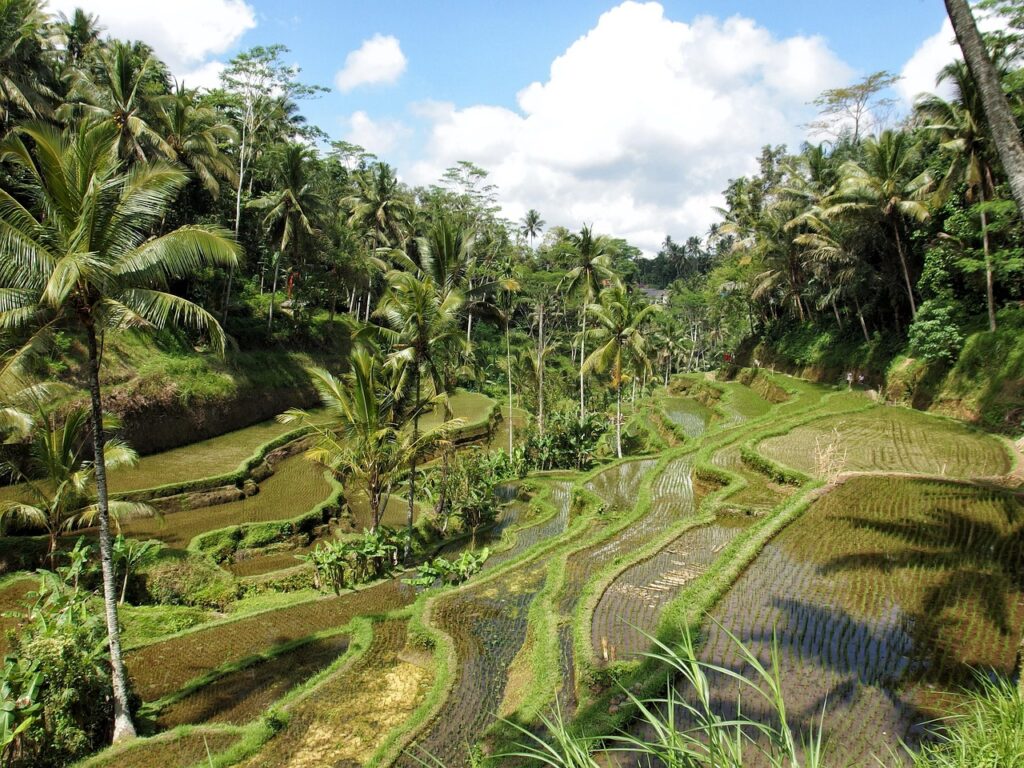
Ubud in January hits different too. The rice terraces are at their most vivid green, the waterfalls around the area are at full power, and the whole landscape looks like something out of a nature documentary. Worth it, even with the rain.
March — Nyepi and the End of Wet Season
March is technically still wet season but rainfall starts to ease up toward the end of the month. The big event here is Nyepi — the Balinese Day of Silence and Hindu New Year. In 2026, Nyepi falls on March 19.
On Nyepi, the entire island shuts down for 24 hours. No flights in or out. No cars on the road. No lights after dark. Tourists must stay in their accommodation. It sounds inconvenient — and it can be — but it’s also one of the most unique travel experiences in Southeast Asia. The night before Nyepi, the Ogoh-Ogoh parade happens in villages across Bali: massive papier-mâché demon statues are carried through the streets in a procession that’s genuinely incredible to watch.
If you plan to be in Bali for Nyepi, plan carefully. Make sure you’re staying somewhere with food and water for the day. And plan your transport around it — nothing moves on that day.
What Backpackers Should Know About Bali’s Peak Season
July and August in Bali are not backpacker-friendly. Full stop. Hostel prices in the main hubs — Seminyak, Kuta, Canggu — can double or even triple. A dorm bed that normally costs $10–12 will run $20–30. Popular warungs (local restaurants) have lines. The famous Potato Head beach club has a waitlist. Ubud’s Monkey Forest is so crowded it stops being fun.
If you’re stuck in Bali during peak season, the move is to go where the crowds aren’t:
- Amed (east Bali, about 2–2.5 hours from Ubud by scooter or car): a quiet fishing village with incredible snorkeling and diving right off the shore. Far less traffic than the south. Accommodation is still reasonable even in peak season.
- North Bali (Lovina, Singaraja area): most tourists never make it here. Lovina is known for dolphin watching tours (early morning, around $15 per person) and a completely different pace. Munduk, a mountain village nearby, is beautiful in dry season.
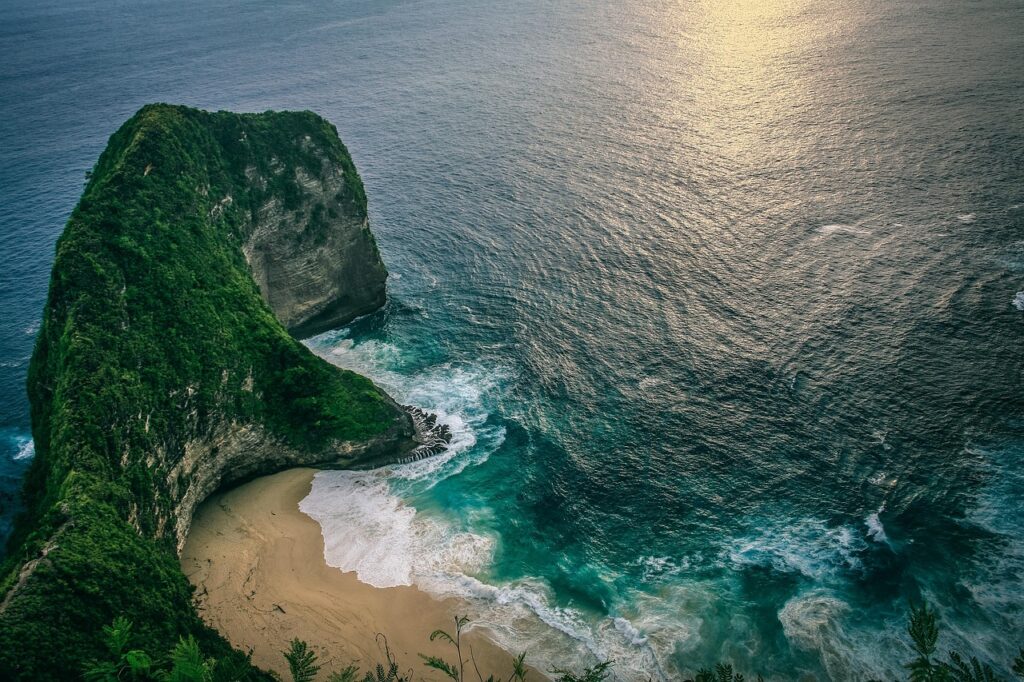
- Nusa Penida: gets busy during peak season but less so than the south Bali main drag. Worth the fast boat from Sanur (about 45 minutes, one-way tickets start from $10–15 with round trips from around $20–30) for the sea cliffs, Kelingking Beach, and snorkeling with manta rays.
- Sidemen: a quiet valley in east Bali with rice terrace views that rival Ubud, but with a fraction of the tourists. Great base for a few days.
Bali Events & Festivals Worth Planning Around
Nyepi — Balinese Day of Silence (March)
Already covered above, but worth repeating: Nyepi is one of the most singular travel experiences in Asia. The Ogoh-Ogoh parade the night before is the must-see. The day itself is eerie, quiet, and genuinely unlike anything else. Plan accommodation well in advance if you want to be in Bali for it.
Galungan & Kuningan (Dates Vary — Roughly Every 210 Days)
Galungan is a 10-day Balinese Hindu festival celebrating the victory of good over evil. The island decorates every road with tall bamboo poles (penjor) draped with offerings. It hits different when you arrive in Bali and every single street is lined with these — it’s a full visual transformation of the island. Kuningan marks the end of the festival period. Check the 2026 Balinese calendar for exact dates.
Bali Arts Festival (June–July)
Held annually at the Taman Werdhi Budaya Arts Centre in Denpasar, the Bali Arts Festival runs for about a month from mid-June to mid-July. It’s a massive showcase of traditional Balinese dance, music, painting, and craft. Entry is generally low cost or free for many performances. If you’re in Bali during this window, it’s a must.
Kuta Karnival (September–October)
This beach festival in Kuta runs for about a week and features surf competitions, live music, cultural performances, and market stalls. It’s a lively, accessible event — free to attend most of the time — and a good excuse to check out Kuta without feeling like it’s just a tourist trap. The surfing competition is worth a visit.
Budget Breakdown by Season
Here’s a realistic daily budget for Bali in 2026, depending on when you go. One thing to factor in before any of this: all international visitors must pay Bali’s mandatory tourist levy of IDR 150,000 (~$10) per person, per entry. Pay it online at lovebali.baliprov.go.id before you fly — it takes about 3 minutes and saves you a queue at the airport.
Low Season (November, January, February)
- Accommodation: $10–18 for a hostel dorm, $25–40 for a private room in a guesthouse
- Food: $5–10/day eating at warungs (local spots). Nasi goreng, mie goreng, gado-gado — all under $2–3 a plate
- Transport: Scooter rental around $4–6/day, petrol is cheap. Grab (rideshare app) for shorter city trips
- Activities: Many temples have a $1–3 entry fee. Tegallalang Rice Terrace charges around IDR 25,000 (
$1.50). Waterfalls vary, usually IDR 20,000–50,000 ($1.25–3) - Realistic Daily Total: $30–45/day if you’re being smart about it
Shoulder Season (April, May, September, October)
- Accommodation: $10–18 dorm, $30–50 private room
- Food: Same warung prices, though tourist-area cafes add up fast
- Activities: Slightly more organized tours and crowds mean some things cost a bit more
- Realistic Daily Total: $35–55/day
Peak Season (July, August, December holidays)
- Accommodation: $20–35 dorm, $50–100+ private room in popular areas
- Food: Same local prices if you stick to warungs, but temptation to eat in cafes adds up
- Transport: Scooter rental $8–12/day
- Activities: Batur sunrise hike with guide around $25–55 depending on what’s included
- Realistic Daily Total: $50–80/day minimum
Best Areas to Stay Based on When You Visit
Peak Season (July–August) → Go to Less-Touristy Areas
During peak season, your best bet is to skip the obvious spots and head to:
- Amed: Perfect base for diving, snorkeling, and a slow pace. Good guesthouses, quiet beach, way cheaper than the south.
- Sidemen: A jaw-dropping rice terrace valley. One or two good hostels and budget homestays. Very peaceful.
- Munduk: Mountain village in North Bali. Cool temperatures, waterfalls nearby, excellent for hiking. Rarely gets crowded even in August.
Shoulder Season (April–May, September–October) → The Popular Spots Are Manageable
During shoulder season, you can actually enjoy the spots you came for:
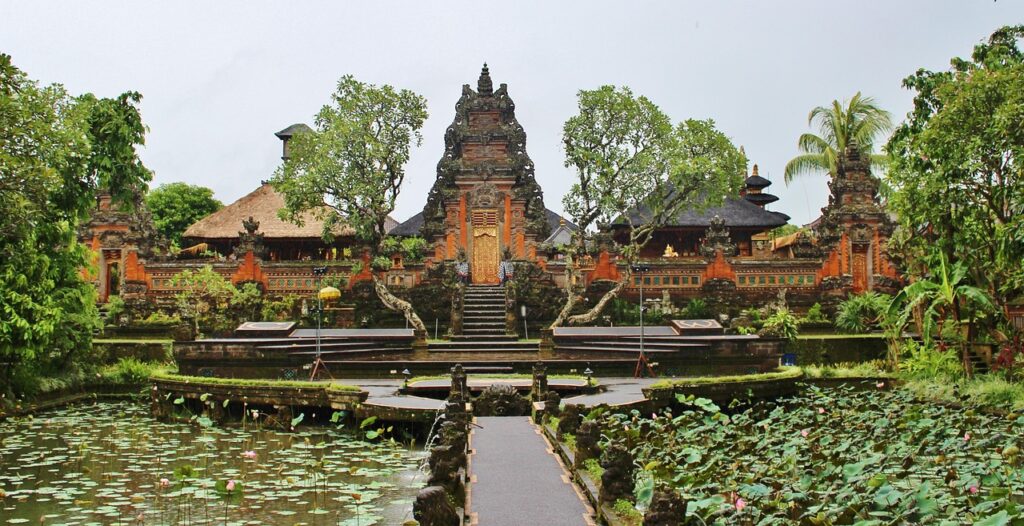
- Ubud: Cultural hub, best at this time. Rice terraces, monkey forest, cooking classes, traditional dance performances. A good base for 3–4 days minimum.
- Canggu: Surf-town vibes, great café scene, plenty of hostels and social spaces. Busier than it used to be, but manageable outside peak months.
- Seminyak: More upscale, but shoulder season brings better prices. Good for beach walks, sunset drinks at Ku De Ta, and the overall Bali aesthetic everyone came for.
Wet Season (November–March) → Ubud Is Perfect
Honestly, if you’re going in wet season, base yourself in Ubud. The rice terraces are at peak green. The waterfalls — Tegenungan (just 15 minutes south of Ubud, around IDR 20,000 / ~$1.25 entry), Kanto Lampo, Tibumana — are all flowing at full power. The rain cools everything down, and the town has enough going on (cooking classes, yoga, art galleries, temple visits) that a rainy afternoon doesn’t feel wasted.
Avoid the south coast beach clubs in wet season — big swells can make swimming dangerous and the vibe isn’t there.
FAQs
Is Bali worth visiting in the rainy season?
Yes, genuinely. The rain is mostly short bursts in the afternoon, not all-day drizzle. Mornings are usually clear. Prices are lower, crowds are smaller, and the island looks stunning — everything is lush and green. If you don’t need guaranteed beach days every day, wet season Bali is underrated for backpackers.
How many days do you need in Bali?
Minimum 10 days if you want to cover more than one area. A realistic breakdown: 3–4 days in Ubud, 2–3 days on the south coast (Seminyak, Canggu, or Uluwatu), and 2–3 days somewhere east or north (Amed, Nusa Penida, or Munduk). Two weeks is better. Bali rewards you for slowing down.
Is Bali expensive for backpackers?
It depends on when you go and where you eat. If you stick to warungs, use a scooter, stay in hostels, and avoid shoulder season in the tourist areas — Bali is genuinely affordable. Around $30–40/day is realistic in low to shoulder season. Peak season (July–August) makes budget travel harder but not impossible if you’re strategic about where you stay.
What is Nyepi and should I be in Bali for it?
Nyepi is the Balinese Hindu New Year — a 24-hour Day of Silence where the entire island shuts down. In 2026 it falls on March 19. No flights, no cars, no lights after dark. You must stay in your accommodation for the full day. It’s logistically annoying but genuinely one of the most unique experiences Bali offers. The Ogoh-Ogoh parade the night before (March 18) is spectacular. If you’re organized about it (book accommodation with food service, plan arrivals and departures around the date), being in Bali for Nyepi is absolutely worth it.
If I’m being straight with you: I’d go in May or September. May for that just-right combo of great weather, manageable crowds, and prices that won’t gut your travel budget. September for the same reasons, plus the post-peak-season quiet that makes Bali feel almost like it used to before everyone discovered it.
Skip July and August unless you have no other option. And don’t write off wet season — some of the best memories I have from Bali are from a rainy January in Ubud with empty rice terraces and a $10 room.