Let’s get something straight right away: solo backpacking is one of the safest things you can choose to do with your time and money — if you’re smart about it. Millions of people travel alone every single year and come home with nothing but great stories. These solo backpacking safety tips come from real experience — from missed last trains and sketchy guesthouses to getting scammed in a market and figuring out what to do next. The goal here isn’t to scare you. It’s to make sure you never become a statistic.
Before You Leave Home
The best safety decisions you’ll ever make happen before you even pack your bag. Most avoidable disasters — lost documents, medical bills, dangerous situations — trace back to skipping this prep work.
Research Your Destination’s Safety Situation
Don’t just Google “[Country Name] safe to visit” and call it done. Generic travel articles are often years out of date and written by people who’ve never been there.
Do this instead:
- Check your government’s official travel advisory. The US State Department (travel.state.gov), UK Foreign Office (gov.uk/foreign-travel-advice), and Australia’s Smartraveller (smartraveller.gov.au) are all updated regularly and worth 10 minutes of your time.
- Search Facebook groups for that specific destination. Groups like “Backpacking Southeast Asia” or “Solo Travel Vietnam” have real travelers posting real-time updates. Someone was probably there last week.
- Read hostel reviews on Hostelworld or Booking.com — travelers leave safety-relevant details in reviews that you won’t find in any article.
Get Travel Insurance — This Is Non-Negotiable
Skip Netflix for a month. Get travel insurance. This is genuinely the one thing you cannot afford to skip.
What to look for when choosing a policy:
- Medical coverage: Minimum $100,000 USD for medical treatment, but don’t confuse this with evacuation. These are separate costs.
- Emergency evacuation coverage: This is where the real money is. Evacuation costs range from $25,000 for short-haul transport to over $250,000 for remote locations like Nepal or sub-Saharan Africa — and that’s just the transport, not the treatment. Look for a policy with at least $250,000 in evacuation coverage, ideally more.
- Adventure activities: If you’re hiking, diving, or renting a motorbike, make sure they’re covered. Many standard policies exclude them.
- Trip cancellation and delay: Useful but secondary.
- 24/7 emergency line: You want a real human to call at 2am if something goes wrong.
World Nomads and SafetyWing are popular with long-term backpackers. Compare policies on InsureMyTrip if you want options side by side.
Share Your Itinerary With Someone Back Home
Pick one person — a parent, partner, close friend — and send them your rough plan. You don’t need a day-by-day itinerary. Just: where you’re going, how long you’re staying, and where you’ll be heading next.
Check in with them every few days. Not as a safety report — just a quick message. If they don’t hear from you for an unusually long stretch, they know something might be wrong.
Scan All Documents and Save to Google Drive
Before you leave, photograph or scan every important document:
- Passport (photo page + visa pages)
- Travel insurance policy and emergency number
- Vaccination records
- Debit/credit cards (front only)
- Driving license
Upload everything to Google Drive or Dropbox, and email a copy to yourself and your emergency contact. If your bag gets stolen, you’ll be very glad you did this.
Digital Safety While Backpacking
Your phone is your map, your bank, your booking system, and your lifeline. Protecting it matters.
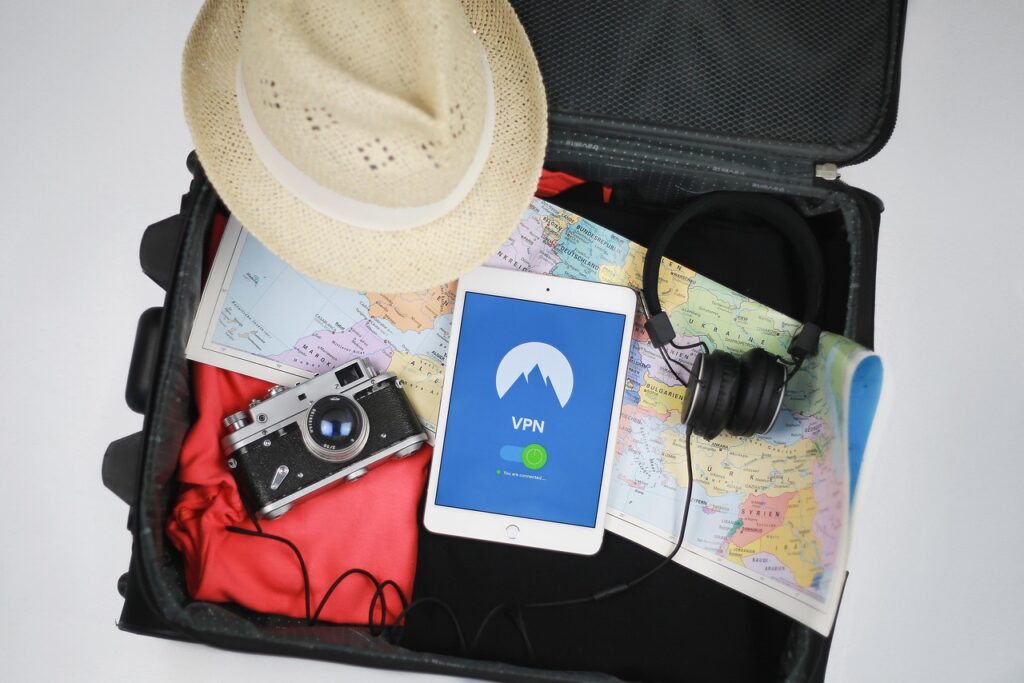
Use a VPN on Public WiFi
Hostel WiFi, airport networks, café hotspots — these are all hunting grounds for anyone who wants to intercept your data. A VPN encrypts your connection and makes it dramatically harder to pull your passwords or banking details.
ExpressVPN and NordVPN are both solid options. Download and set up your VPN before you leave — some countries block VPN websites once you’re there (hello, China).
Use a Money Belt or Hidden Pouch
A proper under-clothes money belt (not the bum bag that sits on top of your jeans — thieves know exactly what those are) is where your passport and emergency cash live while you’re moving.
Keep your daily spending cash in your front pocket. Keep the rest out of reach.
Set Up Google Find My Device or Apple Find My
Takes two minutes. If your phone gets stolen, you can track it, lock it remotely, or wipe it clean. Set it up before you leave — this is the kind of thing you do once and hopefully never need.
Never Post Your Real-Time Location on Social Media
Posting that beautiful sunset photo from your hostel rooftop is fine. Posting it with your location tagged while you’re still there, or checking into places in real time, is a different story.
Post after you’ve moved on. It’s a small habit that removes an easy way for the wrong people to know exactly where you are.
Physical Safety on the Road
Trust Your Gut — If Something Feels Off, It Probably Is
This one sounds obvious until you’re in the moment and talking yourself out of a bad feeling because you don’t want to be rude or paranoid. Your gut is not paranoid. It’s pattern recognition.
If a situation, a person, or a place makes you feel uncomfortable, remove yourself. You don’t owe anyone an explanation.
Avoid Arriving at a New City Late at Night
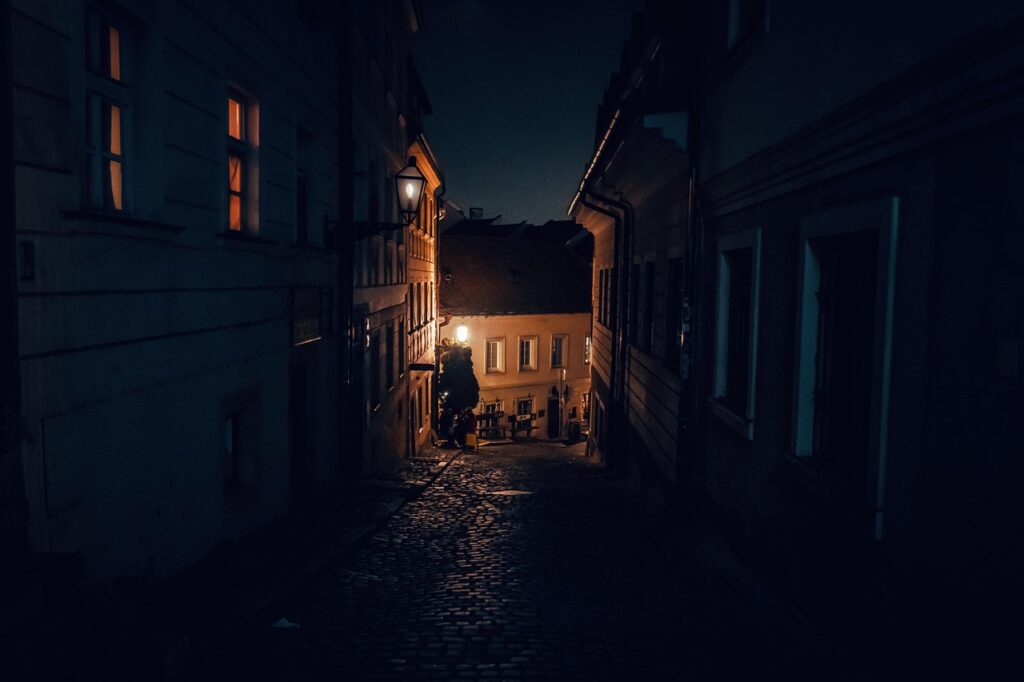
Arriving somewhere new at midnight when you’re tired and disoriented is where bad decisions happen. You can’t see the neighborhood clearly, you’re dependent on whatever taxi driver shows up first, and you don’t have your bearings.
If your bus or train lands late at night, it’s worth booking accommodation in advance just for that first night — even if it’s more expensive than your usual budget. Arriving with a confirmed address you can show a driver hits different when you’re exhausted.
Choose Hostels in Central, Well-Lit Areas
Central isn’t just about convenience — it’s a safety calculation. Staying in a well-trafficked area means more people around, better lighting, easier access to transport, and a shorter walk home after dark.
Read recent reviews specifically for location and the surrounding neighborhood. A hostel with great vibes in a sketchy area is still in a sketchy area.
Be Aware in Crowded Tourist Spots
Pickpockets work crowded places: major markets, public transport during peak hours, tourist attractions where people are distracted, packed street food areas.
The move is simple: front pockets for anything you’re actively using, a crossbody bag worn in front, and nothing valuable in your back pockets or in an open bag behind you. Stay aware when someone bumps into you — it’s sometimes deliberate.
Avoid Walking Around With Expensive Gear on Display
The $1,500 camera on a strap around your neck, the MacBook visible through the mesh of your daypack, the brand new phone you’re using for directions with your wallet next to it — all of these make you a walking target.
Keep expensive gear inside your bag when you’re not using it. Consider a camera clip on your belt rather than a neck strap. Blend in where you can.
Common Backpacker Scams and How to Avoid Them
Scams are everywhere, but they’re also pretty predictable once you know what to look for. Here are the ones that catch backpackers most often.
Taxi overcharging / not using meters The driver conveniently “doesn’t use a meter” and names a price that’s three times the going rate. Always agree on a price before you get in, or insist on the meter. Use Grab, Uber, or local ride apps where available — they show you the price upfront.
Fake travel agents and tour bookings Someone on the street offers you a tour or bus ticket at a great price. You pay cash. The ticket doesn’t exist, or the “bus” is a cramped minivan that doesn’t go where it said. Book tours through your hostel or a verified agency with a physical address and reviews online.
The gem scam (especially common in Thailand) A friendly local takes you to a “government gem sale” where gems are sold at prices that will make you rich when you resell them at home. They won’t. The gems are fake or massively overvalued. If a stranger is enthusiastically helping you make money, they’re not on your side.
The friendship bracelet scam Someone ties a bracelet on your wrist — sometimes without asking — then demands payment. In other versions, they distract you while an accomplice goes through your bag. If someone starts tying things to you, move away immediately.
“Closed today” redirects You’re heading to a major attraction and a local tells you it’s closed today (holiday, private event, whatever) — but they know another place just like it. Spoiler: it’s not closed, and where they take you is a shop where the “guide” gets a commission. Check opening hours yourself before you go.
The drug plant scam Rare but worth knowing about. Someone places drugs in your bag or near you, then an “officer” (real or fake) appears demanding a bribe to make it go away. This happens most often in parts of Southeast Asia. Be aware of who’s around you, and know that real officers have ID and will take you to a station — they don’t collect cash on the street.
Card skimming at ATMs A skimming device is attached to an ATM reader and captures your card details. Use ATMs attached to banks rather than standalone machines on the street. Cover your hand when entering your PIN. Check your bank statements regularly while traveling.
Night Safety Tips
Going out at night while backpacking is part of the experience — rooftop bars, night markets, hostel common room sessions that turn into something much longer. Here’s how to do it without ending up in a situation you can’t handle.
- Tell someone at your hostel where you’re going, even casually. “Heading to that bar strip on X Street” is enough.
- Don’t leave your drink unattended, and don’t accept drinks from people you’ve just met unless you watched it being poured.
- Know the route home before you go out. Download the offline map for your city on Google Maps before you head out — it works without signal and is free. Maps.me is another option but has moved some features behind a paywall.
- Keep enough cash for a taxi home separate from your going-out money — a small note tucked in your shoe or bra is old-school but it works.
- If you’re taking a taxi late at night, share your live location with someone and text them when you’re back.
- Trust your baseline. If you’re suddenly feeling way more intoxicated than what you’ve had should explain, get to safety immediately.
Health & Medical Safety
Vaccinations
Talk to a travel health clinic or your doctor at least 6–8 weeks before you leave. Which vaccinations you need depends on where you’re going — there’s no universal list. Standard ones for many backpacking destinations include Hepatitis A and B, Typhoid, and Tetanus. Some areas require or recommend Yellow Fever or Japanese Encephalitis. Your doctor will tell you what’s relevant.
Dealing With Stomach Issues
Traveler’s diarrhea is almost a rite of passage, especially in South and Southeast Asia. It usually passes within a few days.
What actually helps: oral rehydration salts (ORS) — find them in any pharmacy — and rest. Imodium stops you going to the bathroom but doesn’t clear the infection, so use it only if you have to travel. If you have a fever above 38°C/100.4°F, blood in your stool, or symptoms lasting more than 3–4 days, see a doctor.
Know Where the Nearest Hospital Is
When you check into a new city, spend 30 seconds Googling “nearest hospital to [area].” Save the address. Most hostel staff will know this off the top of their head — ask when you check in.
Travel Insurance Claims
Keep every receipt and document if something medical happens. Get a police report for theft. Get a medical report from the hospital. Call your insurance’s emergency line as soon as you can — they often need to pre-approve treatment or direct you to a partner hospital. Filing a claim without documentation is a nightmare.
Safety Tips for Solo Female Backpackers
Solo female travel is completely doable — and increasingly common. These tips are practical, not preachy.
Book Female-Only Dorm Rooms Where Available
Most hostels offer them. They cost the same or close to it, and the peace of mind is worth it, especially when you’re in a new place and still getting a feel for the vibe. The community in female dorms is often genuinely great too.
Research Cultural Dress Codes Before Arriving
In some countries and regions, how you dress affects how you’re treated — and not just in a social judgment way. In conservative areas across parts of the Middle East, South Asia, and rural Southeast Asia, covering your shoulders and knees reduces unwanted attention significantly. A light scarf that lives in your bag is worth its tiny weight.
Trust the Hostel Staff for Local Safety Advice
Female hostel staff in particular are an underused resource. Ask them directly: “Are there any areas I should avoid at night?” or “Is it okay to walk back from X area alone?” They know things no travel blog will tell you.
Safety Apps Worth Downloading
- bSafe: Lets trusted contacts follow your GPS, and has a fake call feature if you need a reason to leave a situation.
- Noonlight: Press and hold a button — if you release it and don’t enter your PIN, emergency services are alerted with your location.
You probably won’t need either. Download them anyway.
What To Do If Something Goes Wrong
Report Theft to Local Police
Even if you’re confident the police won’t find your stuff, you need a police report to file an insurance claim. Go to the nearest station, ask for a crime report or “denuncia,” and get a stamped copy. It can take a while — bring patience.
Contact Your Country’s Embassy
If your passport is stolen, you need your embassy. Find the address and phone number before you travel and save it somewhere offline. Most embassies can issue an emergency travel document within a day or two if you have your document copies (see: scanning them before you leave).
Use Your Travel Insurance Emergency Line
This is what you’re paying for. Call them early — before you’ve figured everything out yourself. They can help you find a hospital, translate, or start your claim process while you’re still dealing with the situation.
Tell Your Hostel Staff
Seriously — hostel staff have seen almost everything. Lost passport? Scammed? Feeling unsafe? They know the local system, speak the language, and may have dealt with the exact same situation last week. They are one of your best resources on the road.
FAQs
Is solo backpacking dangerous?
Not inherently — no more dangerous than most everyday activities when you’re prepared. The risks are real but manageable. The vast majority of solo backpackers travel for months at a time and come home safely. Preparation, awareness, and trusting your instincts get you 90% of the way there.
What is the safest country to backpack solo?
There’s no single answer — it depends on your experience level, your destination knowledge, and what kind of travel you’re doing. Countries frequently mentioned for safety and ease for solo backpackers include Japan, New Zealand, Portugal, Iceland, and Taiwan. That said, “safe” is relative, and even places with higher crime rates have safe areas and popular backpacker routes that millions of people travel without incident every year.
How do I carry money safely while backpacking?
Split it up. Keep daily spending money in your front pocket or a crossbody bag. Keep your main cash and a backup card in an under-clothes money belt. Leave a small emergency stash (the equivalent of around $50 USD) hidden separately in your main bag. Use a travel-specific debit card (Wise and Charles Schwab are popular options) that reimburses ATM fees and doesn’t charge foreign transaction fees.
What should I do if I get robbed while traveling?
Don’t resist — things can be replaced, you can’t be. Get somewhere safe first. Then: file a police report (required for insurance), call your bank to freeze any cards that were taken, contact your embassy if your passport was stolen, and call your travel insurance emergency line. Your hostel staff can help you navigate the local process.
The world is mostly made up of curious, generous, helpful people — and solo backpacking gives you the best possible chance of meeting them. Smart preparation beats fear every single time. Now go book that flight.