I’ve backpacked through a dozen countries and India is still the only one that made me laugh, cry, and question my digestive system in the same 24 hours. That’s not a warning, that’s just India. Here’s everything I wish someone had handed me before I landed in Delhi with a backpack, way too much confidence, and zero idea what a “helpful stranger” at a train station actually wants from you.
Do You Need a Visa for India?
Yes, almost every nationality does. The e-Visa process is genuinely painless.
- 30-day e-Tourist Visa (double entry): $25 most of the year, $10 during the April–June off-season
- 1-year e-Tourist Visa (multiple entry): $40
- 5-year e-Tourist Visa (multiple entry): $80
Apply directly through the official Indian government e-visa portal, skip the third-party sites charging double for the same form. One recent change worth knowing: you used to only be able to apply within 30 days of your trip, now you can apply months ahead once your dates are set. Print or download your approval, immigration wants to see it, and “it’s on my phone somewhere” is a rough look after a 14-hour flight.
One New Requirement: The Air Suvidha 2.0 Health Form
This one’s new and easy to miss. Since June 25, 2026, every international traveler arriving in India, regardless of nationality, must complete a Self-Declaration Form on the Air Suvidha 2.0 portal (airsuvidha.civilaviation.gov.in) before boarding your flight to India. It’s part of enhanced screening tied to an Ebola (Bundibugyo virus disease) surveillance effort, not a quarantine, just a declaration of your last 21 days of travel history, exposure, and symptoms.
Fill it out online within 24 hours of your flight’s departure, download or screenshot the confirmation, and have it ready at the health desk or immigration counter on arrival. Airlines can deny boarding without it, so don’t leave this for the layover.
Best Time to Visit India
October to March is the sweet spot: cool-ish, dry, and workable almost everywhere. This is when I’d plan Rajasthan, Delhi, Agra, and Varanasi.
April to June gets brutal, think 40-45°C (104-113°F) in Delhi and Rajasthan. Fine if you’re heading to the Himalayan hill stations instead.
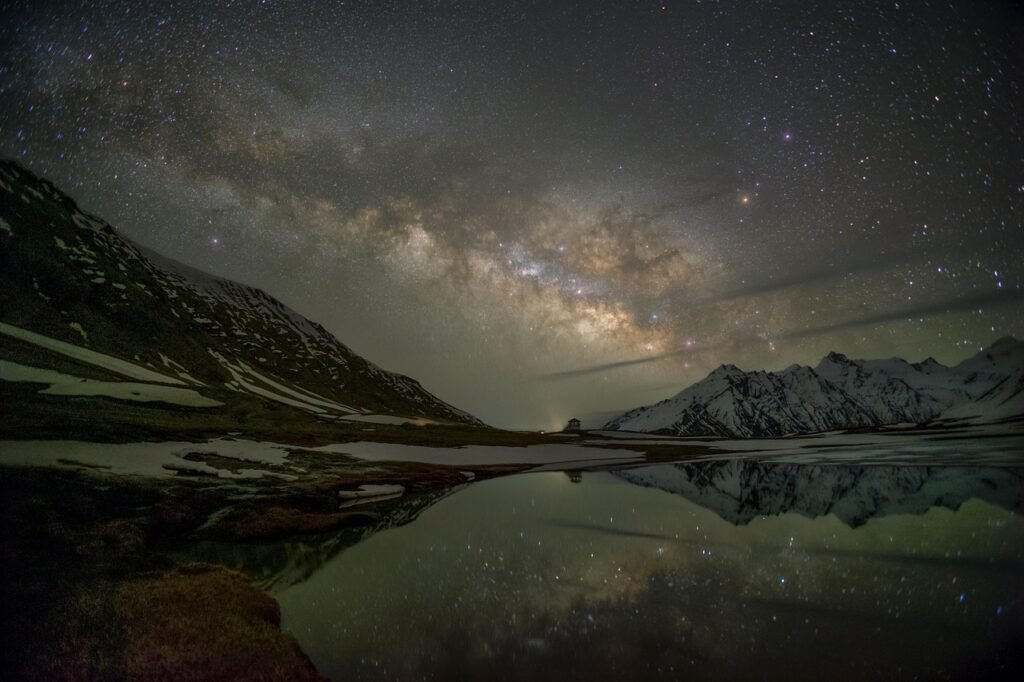
June to September is monsoon across most of the country, heavy rain, and trains can get disrupted. Weirdly, this is peak season for Ladakh, which only really opens up June through September. Kerala in the monsoon is stunning too if you don’t mind getting wet, everything turns intensely green.
Chasing festivals? Diwali (late Oct/early Nov) and Holi (March) are absolute chaos in the best way, just expect higher prices and book ahead.
Money, ATMs, and Budgeting
India runs on rupees (INR) and it’s one of the cheapest places you’ll ever backpack. A realistic daily budget with hostel dorms, local food, and trains/buses is around $20-35/day.
Real numbers:
- Hostel dorm bed: ₹350-500 ($4-6/night)
- Street food meal: $1-3
- Long-distance sleeper train ticket: often under $10
- Local beer: roughly $2-3
ATMs are everywhere in cities. Indian banks charge a flat fee of about ₹200-250 (~$2.50-3) per withdrawal for foreign cards, on top of whatever your home bank adds (often another 1-3% forex markup), so pull out larger amounts less often instead of hitting the ATM daily. At the machine, always choose to be charged in rupees, not your home currency, that “pay in USD/GBP/EUR?” prompt is a bad exchange rate trick called dynamic currency conversion. Keep cash on you regardless, small towns are card-unfriendly and rickshaw drivers “never have change.”
Getting a SIM Card
Do this on day one. Connectivity is excellent and dirt cheap once you’re set up.
Airtel runs kiosks in the international arrivals halls at Delhi, Mumbai, and Bangalore airports (Jio and Vi don’t sell tourist SIMs airside). Expect ₹1,000-2,500 ($12-30) for a 28-day plan at the airport, versus ₹300-400 ($4-5) for basically the same plan at a city shop.
You’ll need your actual passport, visa, proof of accommodation, and a live photo taken at the counter. Bureaucratic, but usually 20-30 minutes. If that sounds like a headache, an international travel eSIM works fine in cities, though it costs more per GB and gets patchy outside major towns.
Getting Around India
This is where tourists and actual travelers split off.
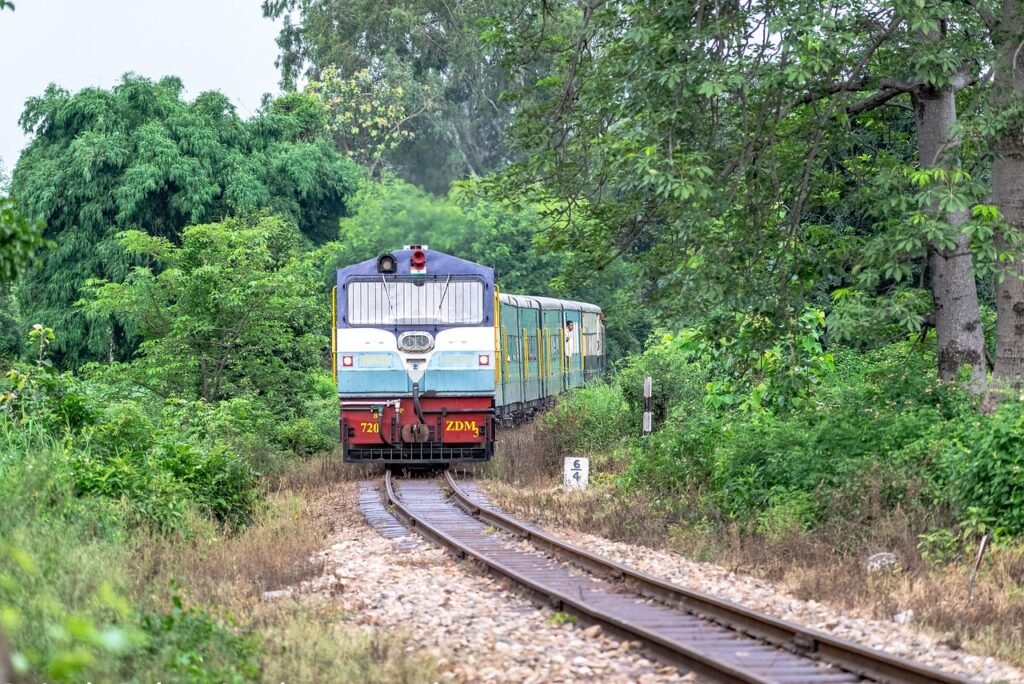
Trains are a must-do experience. Book through the official IRCTC site or app. Classes go from Sleeper (cheap, no AC, very real) up to 3AC, 2AC, and 1AC. An overnight sleeper journey can cost under $10; AC classes cost more but are still cheap by Western standards.
As a foreigner you get the Foreign Tourist Quota (FTQ), a block of seats held for international travelers, bookable up to 365 days ahead versus the standard 120-day window everyone else gets. Huge on popular routes that sell out months in advance. Book FTQ online via IRCTC (set your nationality correctly on your profile) or in person at International Tourist Bureaus in stations like New Delhi, Mumbai CST, and Chennai Central. Everything waitlisted anyway? Tatkal quota opens the day before travel (10am for AC, 11am for non-AC) at a premium fare, and it moves fast.
Buses fill in the gaps where trains don’t go, sleeper buses exist for overnight routes and are an experience of their own. Bring earplugs.
Domestic flights (IndiGo, Air India, Akasa) are worth it for long hauls if you’re short on time. Fares vary a lot by route and season, budget roughly $25-70 one-way if booked ahead. Quick heads-up: IndiGo carries close to two-thirds of India’s domestic traffic and went through a rough patch in December 2025-early 2026, with thousands of cancelled flights tied to a crew-scheduling rule change. Operations have largely stabilized since, but it’s still worth building in a buffer for short layovers and keeping Air India or Akasa in mind as a backup.
In cities, Uber and Ola are the easiest way to skip haggling. Auto-rickshaws are everywhere too, always agree on the meter or a price before you get in, not after.
The Golden Triangle: Delhi, Agra, Jaipur
If you only do one loop, do this one.
Delhi is sensory overload in the best and worst ways. Old Delhi (Chandni Chowk, Jama Masjid) versus New Delhi (India Gate, Humayun’s Tomb, Lotus Temple) feel like two different centuries stacked on top of each other. Give it 2-3 days.
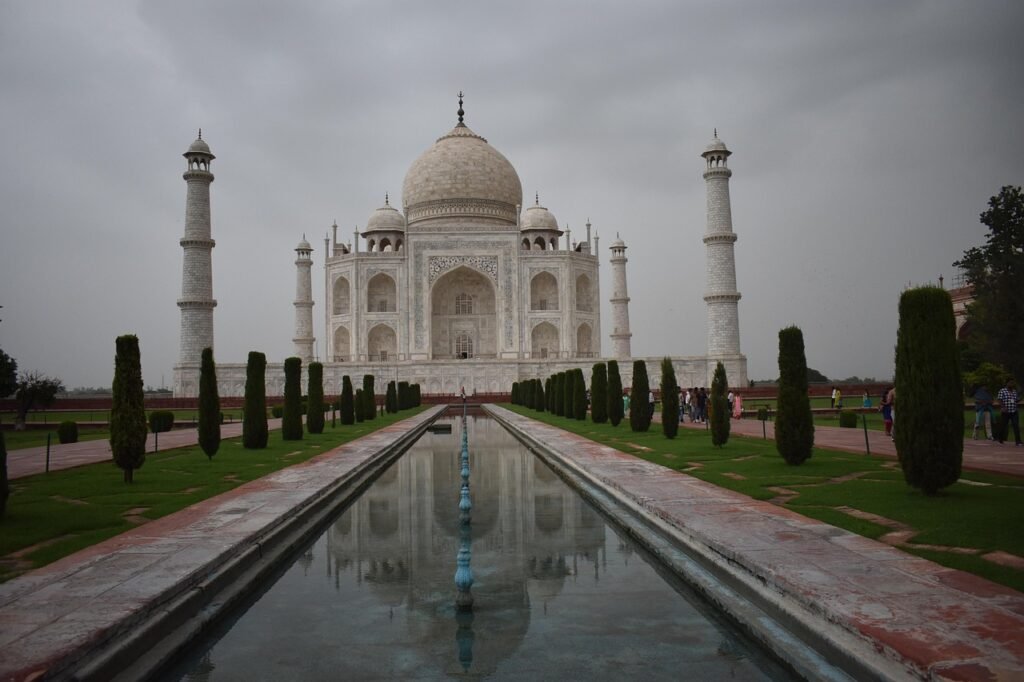
Agra exists for one reason. Foreign tourist entry to the Taj Mahal is ₹1,300 ($16), plus a separate ₹200 ($2.50) ticket to go inside the mausoleum and see the marble cenotaphs up close, pay for it, don’t skip it. It’s closed Fridays, so don’t show up expecting a photo. Go right at sunrise, the light on the marble hits different and the crowds are still asleep. Agra is 3-4 hours from Delhi by road, or about 100 minutes on the Gatimaan Express.
Jaipur (the Pink City) is a must for Amber Fort, Hawa Mahal, and City Palace. Give it 2 days minimum, it’s 4-5 hours from Agra by road or train.
Varanasi: The Spiritual Gut-Punch
Nothing prepares you for this city. A sunrise boat ride along the Ganges ghats (₹200-500, ~$3-6, shared boat) shows a city that’s been cremating and worshipping on the same riverbank for thousands of years, simultaneously. Don’t miss the evening Ganga Aarti ceremony at Dashashwamedh Ghat either, fire, chanting, hundreds of people, genuinely intense. It’s not for everyone. Go anyway.
Rajasthan Beyond Jaipur
Udaipur (lakes, palaces, the “Venice of the East”) and Jodhpur (the Blue City, dominated by Mehrangarh Fort) are both worth a visit if you’ve got the time. Pushkar is smaller and calmer, and if you’re lucky enough to time it with the Pushkar Camel Fair in November, you’re in for one of the wildest things you’ll ever witness.
Goa: The Backpacker Reset Button
After weeks of temples and overnight trains, Goa hits different. North Goa (Anjuna, Arambol, Vagator) is where most backpackers land, cheap guesthouses, beach parties, flea markets. South Goa is quieter and more upscale. Best months are November through February; monsoon (June-September) shuts most of it down.
Kerala: Slow Travel Done Right
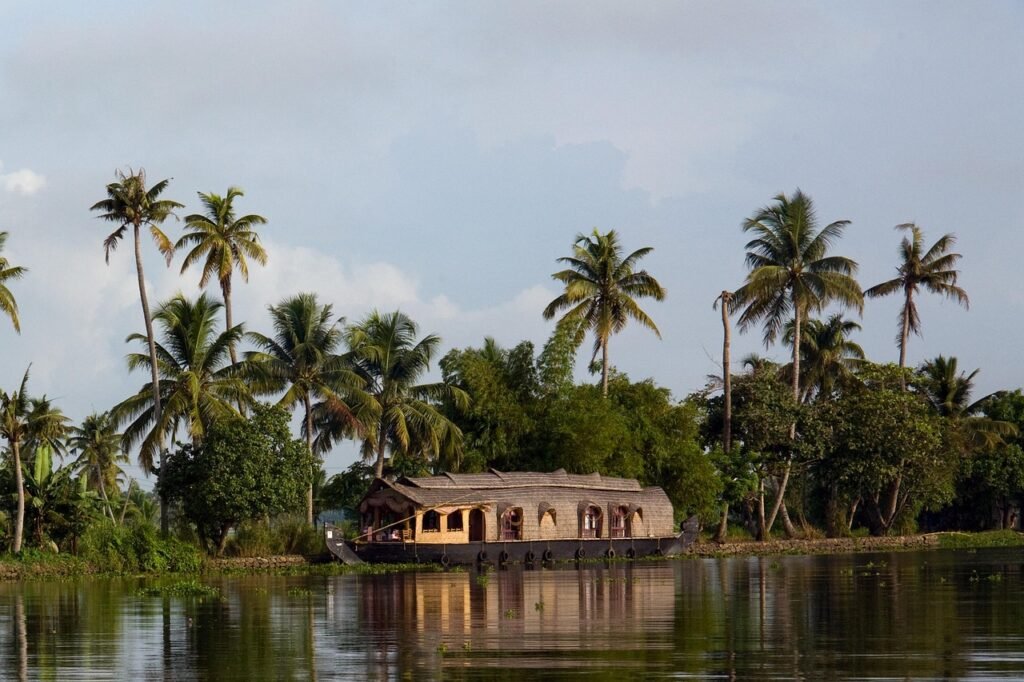
The backwaters are the main event, a houseboat cruise through Alleppey’s canals runs roughly $50-100/night for a shared or basic private boat, more for luxury. January to March is best for beaches, October to December is greenest post-monsoon. After a month of trains and touts up north, Kerala’s pace is a real reset.
Rishikesh: Yoga, Rafting, and the Ganga Aarti
The Himalayan foothills start here. Rishikesh earned its “yoga capital of the world” title honestly, cheap ashram courses, riverside cafes, and an evening Ganga Aarti that’s genuinely moving even if you’re not spiritual. White-water rafting on the Ganges is a solid half-day add-on, generally $10-20.
Street Food Without the Regret
You’ll eat unbelievably well here for very little money. You’ll also, statistically, get sick at some point. Cut your odds:
- Eat where there’s a queue of locals, high turnover means fresh food
- Stick to bottled or filtered water, check the seal isn’t broken
- Skip ice cubes unless you know it’s made from filtered water
- Go vegetarian more often, it’s some of the best food in the country and lower risk than street meat
- Carry rehydration salts and anti-diarrheal meds just in case
Staying Safe: The Honest Version
India is generally fine for tourists who stay aware, but a few real things to know:
- Avoid the Jammu & Kashmir region except Ladakh and Leh, and avoid areas within 10km of the India-Pakistan border in Gujarat, Punjab, and Rajasthan. Check your home country’s current travel advisory before locking in your route.
- Common scams: “helpful” strangers at train stations redirecting you to a fake ticket office, gem or rug “investment” pitches, drivers insisting your hotel is closed so they can take you to one that pays them commission. Smile, decline, keep walking.
- Solo female travelers should take extra precautions, harassment at some tourist sites is a real, documented issue. Dress modestly, avoid isolated areas after dark, trust your gut over politeness.
- Always agree on a rickshaw or taxi fare upfront, or insist on the meter.
None of this should scare you off, millions of tourists have a great, safe trip every year. Just don’t travel here on autopilot.
What to Pack
- Lightweight, modest clothing covering shoulders and knees, temples will turn you away otherwise
- A universal power adapter (India uses Type C/D/M plugs, 230V)
- Hand sanitizer and wet wipes, public restrooms are hit or miss
- A physical padlock for hostel lockers and overnight train bags
- Mosquito repellent with DEET
- A scarf or shawl, doubles as sun cover, temple coverage, and an emergency blanket on aggressively cold AC trains
A Simple 2-Week Route for First-Timers
Delhi (2-3 days) → Agra (1 day, Taj Mahal) → Jaipur (2 days) → Udaipur (2 days) → Pushkar (1-2 days) → Rishikesh (2-3 days) → back to Delhi to fly out.
Got an extra 3-4 days? Add Varanasi, though you’ll probably want an internal flight to fit it in without burning all your time on trains. Save Goa and Kerala for a separate trip, the south deserves its own dedicated time instead of being crammed onto the tail end of a north India loop.
Mistakes I Made So You Don’t Have To
I once argued with a rickshaw driver for ten minutes over 20 rupees, about 24 cents, and only realized afterward how ridiculous that was. I also learned the hard way that “AC sleeper” doesn’t mean warm, bring a layer for overnight trains even in summer, that air conditioning gets aggressive. And I skipped the ₹200 Taj Mahal mausoleum ticket on my first visit to save money. Biggest regret of the whole trip. Don’t be me.
FAQs
Is India safe for solo travelers? Generally yes, especially in well-traveled areas, but stay alert around train stations and after dark. Solo female travelers should take extra precautions.
How many days do I need for a first trip to India? Two weeks covers the Golden Triangle plus Rajasthan comfortably. A month lets you add the south or the Himalayas without rushing.
Do I need a visa to visit India? Yes, almost all nationalities do. The e-Tourist Visa is the easiest route: $25 for 30 days most of the year, $10 April-June. You’ll also need to complete the Air Suvidha 2.0 health self-declaration before boarding your flight.
Is tap water safe to drink in India? No. Stick to bottled or filtered water for your whole trip, including brushing your teeth in smaller towns.
What’s the best time to visit India? October through March, cool and dry across most of the country. Avoid April-June (extreme heat) and June-September (monsoon), unless you’re headed to Ladakh or chasing Kerala’s green season.
How much does a 2-week backpacking trip to India cost? Budgeting $20-35/day for accommodation, food, and local transport works out to roughly $350-500 for two weeks, not including international flights or the visa fee.
Do I need vaccinations before traveling to India? Talk to a travel clinic a few weeks before you leave. Hepatitis A and typhoid come up often, plus being current on routine vaccines. Requirements vary by region and by your home country, so get personalized advice rather than trusting a random blog on this one.