Central Vietnam is where travel starts to feel effortless. Distances are short, the food is consistently good, and the shift between destinations—beaches, old towns, imperial history, and jungle landscapes—never feels forced.
It’s also one of the easiest regions in Vietnam to explore without overplanning. You can move at your own pace, stay longer where it feels right, and still cover a lot without rushing. For backpackers especially, this part of the country just works.
Best Places to Visit and Attractions
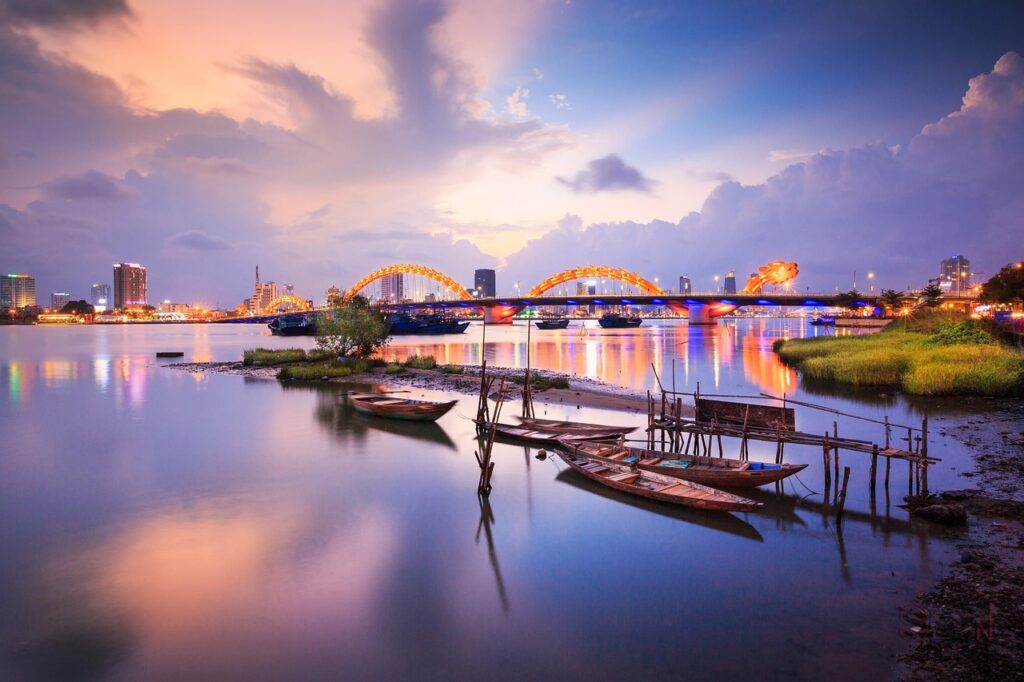
Da Nang is usually the starting point. It’s a modern coastal city with long beaches, easy transport, and a few worthwhile attractions like the Marble Mountains, Ba Na hills, Dragon Bridge, and the nearby Son Tra Peninsula. Most travellers don’t stay too long, but it’s a comfortable place to land and reset.
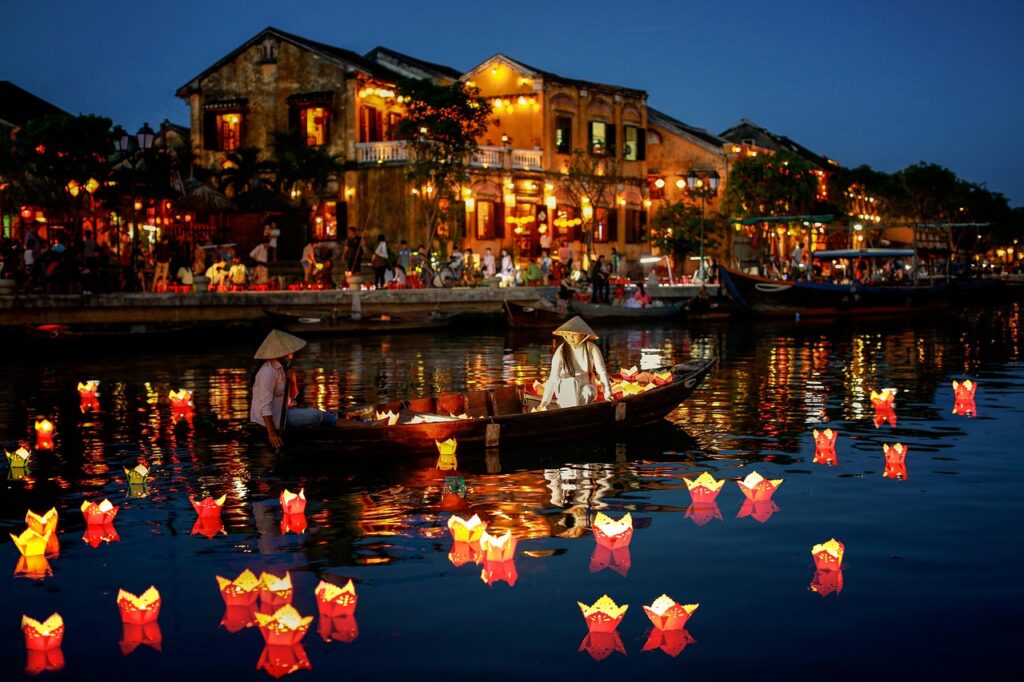
Hoi An is where Central Vietnam really slows you down. The Old Town, with its preserved buildings and lantern-lit streets, is best explored without a plan. Small cafes, riverside walks, and nearby cycling routes make it easy to spend days here without doing anything rushed. Just outside town, An Bang Beach offers a quieter escape, while the My Son Sanctuary makes for a solid half-day trip.
Hue shifts the tone completely. As the former imperial capital, it’s more about history than atmosphere. The Citadel, royal tombs, and Perfume River give you a deeper look into Vietnam’s past. It’s not as instantly charming as Hoi An, but it has a depth that grows on you.
Phong Nha is the outlier. Known for its cave systems and natural landscapes, it’s a destination for travellers who want something more adventurous. It takes a bit more effort to reach, but if you’re into nature, it’s one of the most rewarding stops in the country.
Backpacking Central Vietnam: What It’s Really Like
Central Vietnam is one of those rare stretches in Southeast Asia where travel just feels easy. Distances are short, transport is straightforward, and each stop offers something different without forcing you to constantly adapt. It’s the kind of route where you can slow down without feeling like you’re missing out.
Most backpackers naturally follow a Da Nang → Hoi An → Hue route, and it works for a reason. Da Nang is usually the entry point, but many travellers don’t stay long. It’s clean, modern, and comfortable, but the vibe is more city than backpacker hub. That said, it’s a great place to recover from travel, enjoy the beach, and plan the rest of your trip.
Hoi An is where things shift. This is where people end up staying longer than planned. The town is compact, easy to explore, and has just the right balance of culture and social energy. During the day, it’s all about slow walks, cafes, and cycling through the countryside. At night, the Old Town lights up with lanterns, and while it can get busy, it still manages to feel atmospheric rather than overwhelming.
Hue feels different again. It’s quieter, more spread out, and less instantly charming than Hoi An. Not everyone falls in love with it, but if you’re into history, architecture, or just a slower pace, it’s worth your time.
If you have extra time, Phong Nha is a great addition—but it’s not essential for everyone. It’s more about nature and adventure than culture, so it depends on what kind of trip you’re building.
Budget Reality
Central Vietnam is generally very backpacker-friendly when it comes to cost. Accommodation, food, and transport are all reasonably priced.
Hoi An can feel slightly more expensive, especially around the Old Town, but better-value stays are easy to find nearby. Da Nang usually offers the best value for accommodation, while Hue sits comfortably in between.
Food is where Central Vietnam stands out. You can eat well every day without spending much, and quality stays consistent even at lower price points.
Social Scene and Travel Vibe
Hoi An is the easiest place to meet other travellers. The mix of hostels, cafes, and activities creates a naturally social atmosphere.
Da Nang is more laid-back and less backpacker-focused, while Hue is quieter again. Overall, the region leans more towards slow travel and good food rather than nightlife.
Things That Might Surprise You
Hoi An can get crowded in the evenings, especially in peak season. Early mornings or later nights feel very different.
Hue’s weather can be unpredictable, so it helps to keep plans flexible.
Distances may look short on a map, but travel can still take time. It’s better not to rush.
Most importantly, Central Vietnam rewards slowing down. Trying to squeeze everything into a few days usually takes away from the experience.
Suggested Backpacking Route
- Da Nang – 2 to 3 days
- Hoi An – 3 to 4 days
- Hue – 2 days
- Phong Nha (optional) – 2 to 3 days
How to Get to Central Vietnam
The main gateway is Da Nang, which has an international airport and strong domestic connections. It’s the easiest and most practical place to start your trip.
Hue is served by Phu Bai Airport and is also connected by train along Vietnam’s main north–south railway line. Hoi An doesn’t have its own airport, so you’ll need to travel via Da Nang and continue by road.
Trains are a good option if you prefer slower travel, especially for the scenic stretch between Hue and Da Nang.
How to Get Around
Getting around Central Vietnam is straightforward.
In Da Nang, taxis and ride-hailing apps are widely available. Hoi An is best explored on foot or by bicycle, especially within the Old Town and surrounding countryside. In Hue, you’ll likely combine walking with taxis or private transport to reach the tombs and outer sites.
For routes like the Hai Van Pass, consider taking a motorbike tour or hiring a private car so you can actually enjoy the journey.
What to Eat
Central Vietnam has some of the most distinctive food in the country.
In Hoi An, try cao lầu, mì Quảng, and white rose dumplings—all local specialties tied closely to the town.
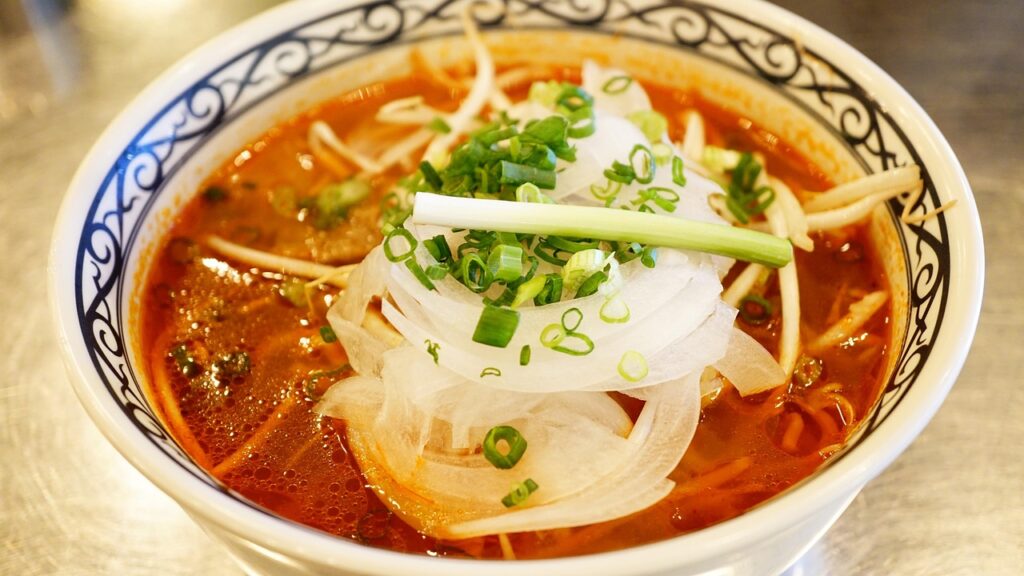
Hue is known for dishes like bún bò Huế, along with a range of smaller traditional plates like bánh bèo and bánh nậm.
In Da Nang, you’ll find a mix of regional dishes and fresh seafood, with plenty of casual spots that are both affordable and consistently good.
Where to Stay
Where you stay depends on your travel style. Accommodation in Central Vietnam is generally good value, especially compared to many other parts of Southeast Asia. You’ll find everything from social hostels to comfortable boutique stays without needing a big budget.
For backpackers, hostels are widely available in Da Nang, Hoi An, and Hue. Dorm beds are usually affordable, and many places include extras like breakfast, bike rentals, or social spaces. Hoi An has the most social hostel scene, while Da Nang tends to be more relaxed and less focused on backpacker culture.
If you prefer more privacy, budget hotels and guesthouses are easy to find and often offer surprisingly good quality for the price. Even lower-cost rooms are typically clean, air-conditioned, and centrally located.
Moving slightly up, mid-range hotels and boutique stays offer the best value overall. This is where Central Vietnam stands out—you can stay somewhere stylish, comfortable, and well-located without stretching your budget too much.
Weather and Best Time to Visit
The best overall time to visit Central Vietnam is between February and May, when the weather is generally more stable across the region.
From June to August, temperatures rise, especially in Hue. The period from September onwards can bring heavier rain, particularly in Hue and Hoi An, with occasional flooding during peak rainy months.
Visa Details
Vietnam offers an e-visa valid for up to 90 days, with single or multiple entry options. It’s available to travellers from all countries and territories and can be applied for online through the official government portal.
Official Evisa Website : evisa.gov.vn
Other Essential Info
A bit of flexibility goes a long way in Central Vietnam, especially during wetter months. Pack for both sun and rain, and don’t rely too heavily on fixed day-by-day plans.
Dress modestly when visiting temples and historical sites. For everyday travel, apps and taxis are easy to use, but renting a bicycle or arranging a car can make exploring more relaxed.
Central Vietnam isn’t about rushing from one highlight to the next. It’s about the space between them—the quiet mornings in Hoi An, the slower pace of Hue, the coastal stretches around Da Nang.
Give it time, and it delivers far more than just a checklist of places.
Also, check out The Comprehensive Vietnam Backpacking Guide