Hokkaido feels like a different side of Japan. It is wider, quieter, and more open than the fast-paced image many people have of the country. Instead of packing every day with city rush, Hokkaido rewards you for slowing down a little. You get long train rides, fresh air, mountain views, seafood, and towns that feel pleasantly unhurried.
That is what makes it such a good travel region. You do not need to have a packed iternary here. You just need a good route, a few bases, and enough time to let the island do the rest.
Best places and attractions in Hokkaido
Sapporo
Sapporo is the easiest place to start. It is the island’s main city, but it still feels relaxed compared with Japan’s bigger metro areas. For a first trip, it works well as a base because you can eat well, move around easily, and take day trips without making life complicated.
Spend time in Odori Park, wander Susukino in the evening, and stop at a market or ramen shop before moving on. If you are only doing one big city stop in Hokkaido, this is the one that makes the most sense.
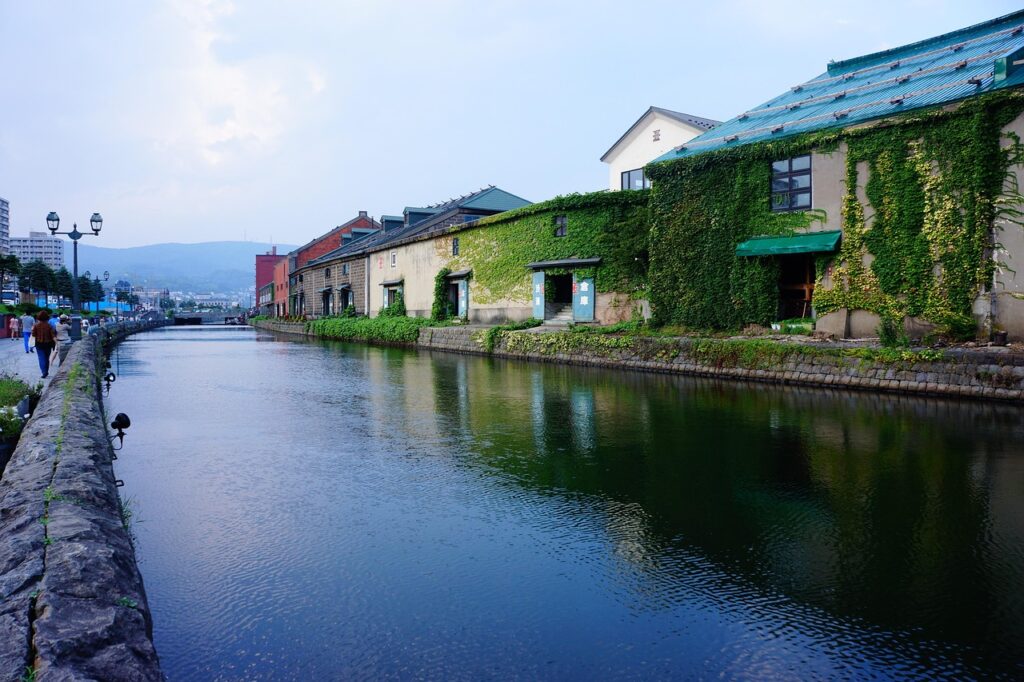
Otaru
Otaru is close enough to Sapporo for a day trip, but it has its own slower rhythm. The canal area is the obvious draw, but the bigger reason to go is the mood of the town itself. It feels old-school in the best way, with glass shops, small cafés, and a walkable center that is easy to enjoy without a strict plan.
It is one of those places where you do not need a full itinerary. A few hours here can be enough.
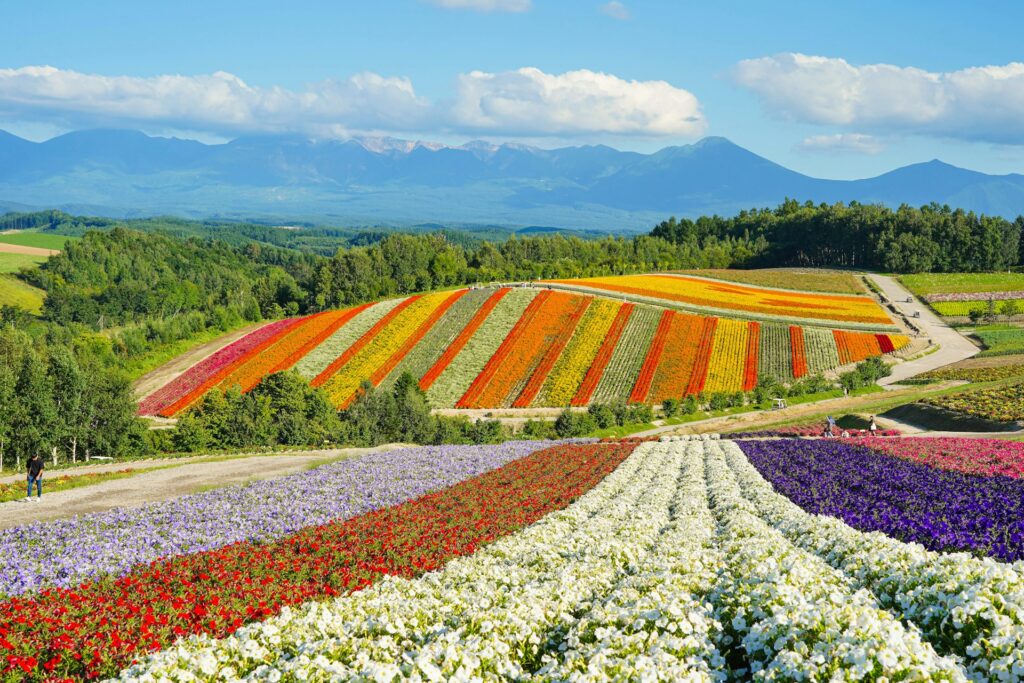
Furano and Biei
If you want the classic Hokkaido landscape, this is where it starts to show itself properly. Furano and Biei are the places people picture when they think of rolling fields, open roads, and flower season. In summer, the area is especially popular for lavender and scenic countryside views.
This is not a place to rush through. Stay a little longer, breathe a little slower, and leave room for the scenery.
Hakodate
Hakodate is a strong pick if you like cities with a bit of character. It has a port-town feel, a historic side, and night views that are often mentioned for good reason. It is also a good southern entry point into Hokkaido, especially if you are coming by rail from Honshu.
If you like a trip that mixes food, history, and a more laid-back urban vibe, Hakodate fits nicely.
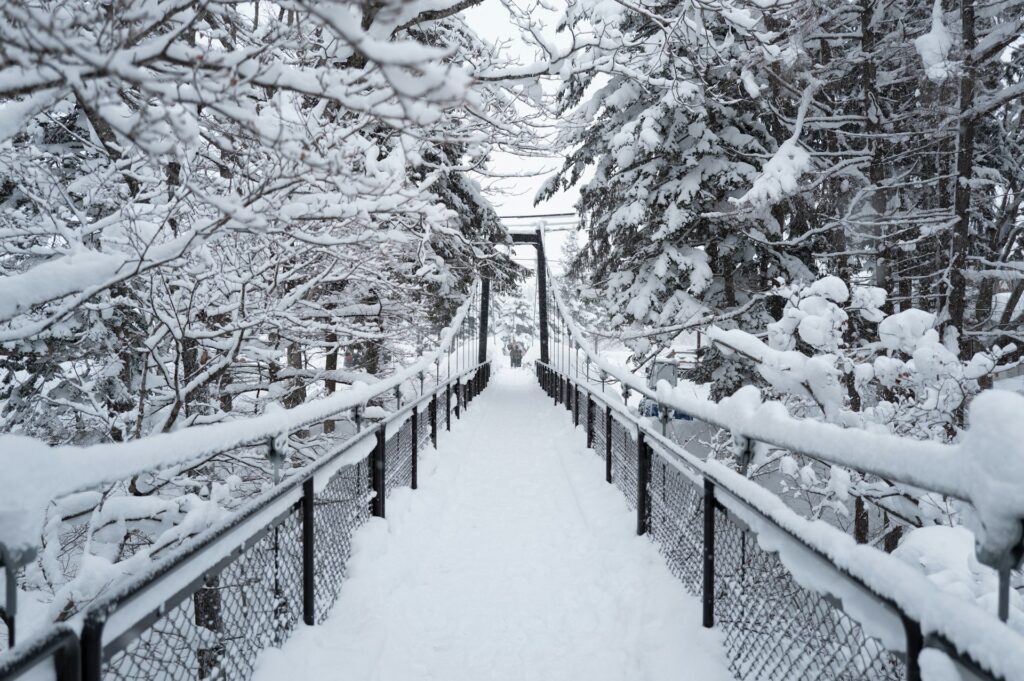
Niseko
Niseko is one of Hokkaido’s best-known outdoor areas, and winter is the obvious season to think about it. It is popular for skiing and snowboarding, but even outside ski season the region has that mountain-resort energy people come for.
It is the kind of place that can easily take over a whole trip if snow sports are your main goal.
Eastern Hokkaido
If you want something more raw and less polished, head east. Kushiro, Lake Akan, and the Shiretoko area are where Hokkaido starts feeling wild in a very real way. This part of the island is best for people who care more about landscapes, wildlife, wetlands, and quiet roads than shopping streets or nightlife.
If the city days start feeling too neat, this is the place to balance them out.
How to get around
Hokkaido is large, so transport matters. For many travelers, the smoothest approach is to combine trains, buses, and occasional car rental rather than trying to force one single transport method for the whole island.
For routes around Sapporo, Otaru, Furano, Biei, and some other nearby areas, JR rail passes can make a lot of sense. If your plan is broader and you want to move around the island more freely, a longer Hokkaido rail pass can help simplify the trip. Trains are especially useful for the main city-to-city legs, while buses and cars become more useful once you move deeper into the countryside.
A rental car is worth considering if you are heading to places like Biei, eastern Hokkaido, or anywhere that has slow local connections. Hokkaido is one of those places where the journey itself is part of the experience, and a car can make that easier. Just do not underestimate the distances.
What to eat in Hokkaido
Food is a big reason to come here in the first place.
Start with soup curry in Sapporo. It is one of the island’s signature dishes and a great winter or rainy-day meal, but it works year-round. It is warm, filling, and easy to customize.
Then go after the seafood. Hokkaido is famous for crab, salmon, sea urchin, and fresh sushi, and the quality really does make a difference when you are eating it close to the source. Morning markets and local seafood bowls are especially worth it if you like simple food done well.
Ramen is another easy win. Different cities in Hokkaido have their own styles, so it is worth trying more than one. Sapporo is the name most people know first, but Hakodate and Asahikawa also have strong local ramen identities.
Do not skip the dairy either. Hokkaido is known for milk products, soft serve, cheese, and all the good simple stuff that tastes better when it is made with strong local ingredients.
Where to stay
For a first Hokkaido trip, the easiest base is usually Sapporo. It keeps transport simple, gives you the widest food options, and makes day trips much easier.
If you want a split-stay trip, Hakodate works well in the south. Otaru is a nice shorter stay or day-trip base. Furano and Biei suit travelers who want nature and countryside views. Niseko is ideal if your trip is built around snow and mountain time. Eastern Hokkaido works best if you are putting wilderness first.
The smart move is not to change hotels every night unless you have to.
Weather around the year and the best time to visit
Hokkaido’s weather is one of the reasons people love it. Summer is cooler and less humid than much of mainland Japan. Spring arrives later, autumn can move fast, and winter is proper winter.
Spring brings fresh air and quieter travel.
Summer is ideal for flowers, hiking, and outdoor exploring.
Autumn is short but beautiful with foliage and crisp weather.
Winter transforms the island into a snow destination.
Late spring through early autumn works best for balanced travel, while winter is perfect if snow is your main goal.
Japan visa
Before planning your trip, check Japan’s official Ministry of Foreign Affairs visa page because requirements depend on nationality. Many travelers can enter visa-free for short stays, while others must apply in advance. Always confirm rules before booking flights.
Official visa information: https://www.mofa.go.jp/j_info/visit/visa/
How to get to Hokkaido first
Most travelers arrive via New Chitose Airport, located near Sapporo. It is the main gateway to Hokkaido and connects easily to the city by JR train (about 40 minutes) or airport buses.
Other regional airports such as Hakodate, Asahikawa, Kushiro, and Memanbetsu can also work depending on your itinerary, but New Chitose is usually the simplest starting point.
Airport access information: https://www.hokkaido-airports.com/en/new-chitose/
Japan essential info
Japan uses 100V electricity with Type A plugs, so bring an adapter if needed. While cards are widely accepted, cash is still useful in smaller shops and rural areas.
Emergency numbers:
- Police — 110
- Ambulance / Fire — 119
Luggage forwarding services are common across Japan and can make multi-city trips much easier.
Etiquette and basic manners
Japanese etiquette is simple once you know the basics:
- Keep voices low on trains
- Queue patiently
- Remove shoes where required
- Be punctual
- Carry your trash if bins are not nearby
- Tipping is not customary
Small gestures of respect go a long way and are appreciated everywhere.
Few basic and useful Japanese phrases
Ohayo gozaimasu — Good morning
Konnichiwa — Hello
Sumimasen — Excuse me / Sorry
Arigatou gozaimasu — Thank you
Wakarimasen — I don’t understand
Ikura desuka? — How much is it?
Oishii — Delicious
Gochisousama deshita — Thank you for the meal
RealBackpackers Rating
Food – 9/10
(Excellent quality, regional variety, and consistently high standards across the island.)
Accommodation – 8/10
(Very clean, reliable, and comfortable stays, though fewer hostel-style options in rural areas.)
Transport – 8.5/10
(Extremely punctual and efficient, but coverage becomes thinner in remote regions.)
People – 9/10
(Polite, helpful, and makes solo travel feel very safe.)
Affordability – 7/10
(Japan pricing overall; manageable with planning but not a budget destination.)
Backpacker Friendliness – 8.5/10
(Easy navigation, safety, and infrastructure help a lot, though distances require planning.)
Overall Rating – 8.5/10