Indonesia is not the kind of country you “finish” in one trip. It is enormous, spread across thousands of islands, and full of places that deserve more time than a two-week holiday usually allows. So the best way to plan a first trip is not to chase everything. It is to choose a route that gives you a strong mix of culture, temples, volcanoes, beaches, and island scenery without spending half the holiday in transit. A route through Yogyakarta, East Java, Bali, Lombok, and Komodo is one of the most balanced ways to do that.
Before you go
For entry, Indonesia’s official e-Visa site says travelers need a passport valid for at least six months and that the arrival card should be submitted within three days before arrival. The site also supports applying for the e-VOA online. If Bali is part of your trip, note that the foreign visitors are subject to a mandatory contribution of IDR 150,000.
That does not mean Indonesia is complicated to visit. It just means the trip works best when the basics are handled early. Sort your visa, check your arrival requirements, and keep your route flexible enough that you can adjust if one part of the trip turns out to be slower or more tiring than expected.
A smart 2-week route
If this were my first time in Indonesia and I only had 14 days, I would keep the route simple:
Days 1–3: Yogyakarta
Days 4–5: East Java
Days 6–9: Bali
Days 10–12: Lombok or the Gilis
Days 13–14: Komodo / Labuan Bajo, or extra time in Bali
This route works because each stop feels different. Yogyakarta gives you culture and temples, East Java gives you volcano scenery, Bali gives you the classic island experience, Lombok slows the pace down, and Komodo gives the trip a dramatic finish.
Days 1–3: Yogyakarta
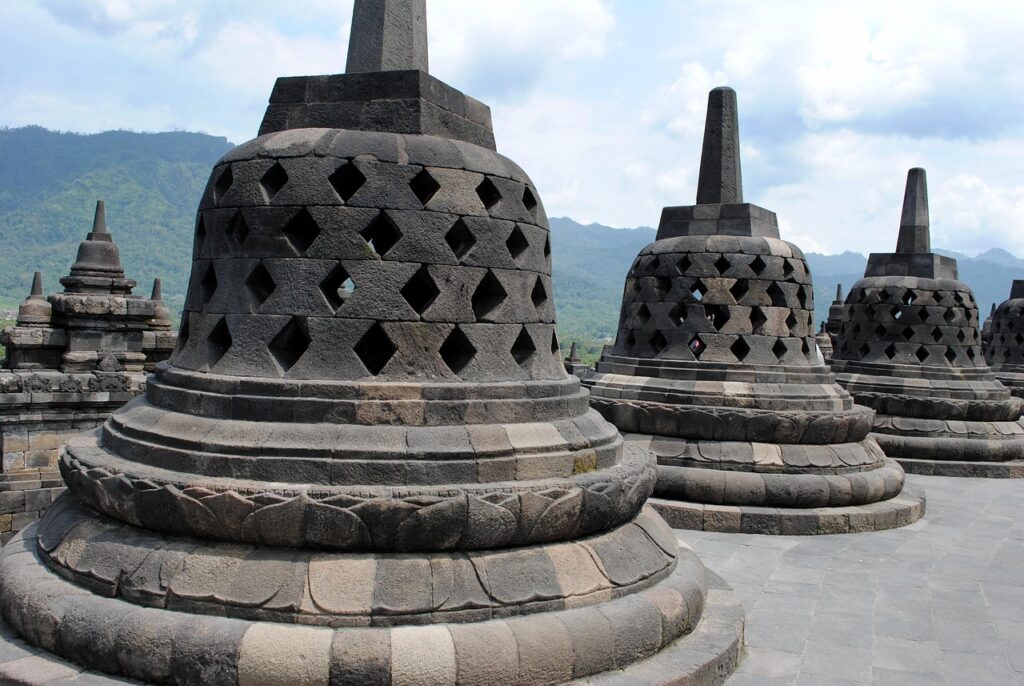
Yogyakarta is one of the best places to start because it has a proper sense of place. The city is widely presented as a cultural hub, and it is the natural base for visiting Borobudur and Prambanan. Borobudur is the world’s largest Buddhist temple, while Prambanan is the largest Hindu temple complex in Indonesia and a UNESCO World Heritage Site.
Spend your first day settling into the city, walking the center, and getting your bearings. Use the next day for Borobudur and the day after for Prambanan. If you have the energy, you can do more in the city itself, but there is no need to cram the schedule. These two temple visits already give Yogyakarta a strong place in the trip.
The best thing about starting here is pacing. You are not thrown straight into beach-hopping or a flight-heavy schedule. You begin with culture, which gives the rest of the trip more contrast.
Days 4–5: East Java
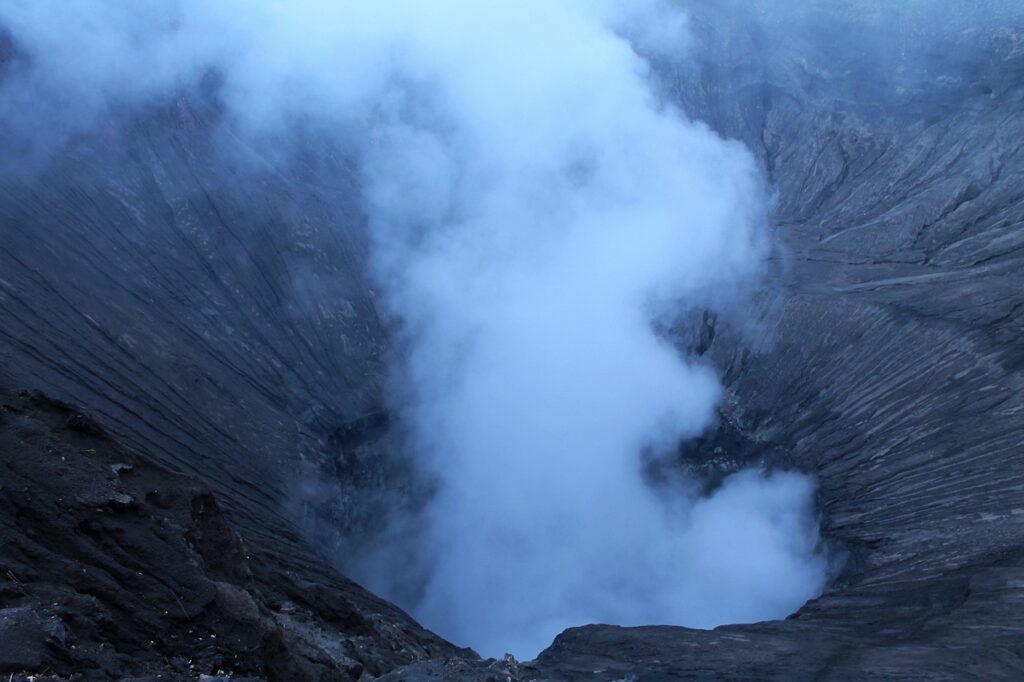
After Yogyakarta, move east into Java’s volcano country. This is the part of the trip that makes Indonesia feel wild in a different way. You do not need to over-plan every detail here; just make sure you leave enough time to experience the landscape rather than treating it like a quick photo stop.
If you want one of the most recognizable Java experiences, this is the region for it. East Java is where many travelers build in volcano scenery before heading to the islands. It is not about luxury or comfort here. It is about atmosphere and the feeling that the landscape is doing something bigger than the itinerary.
Days 6–9: Bali
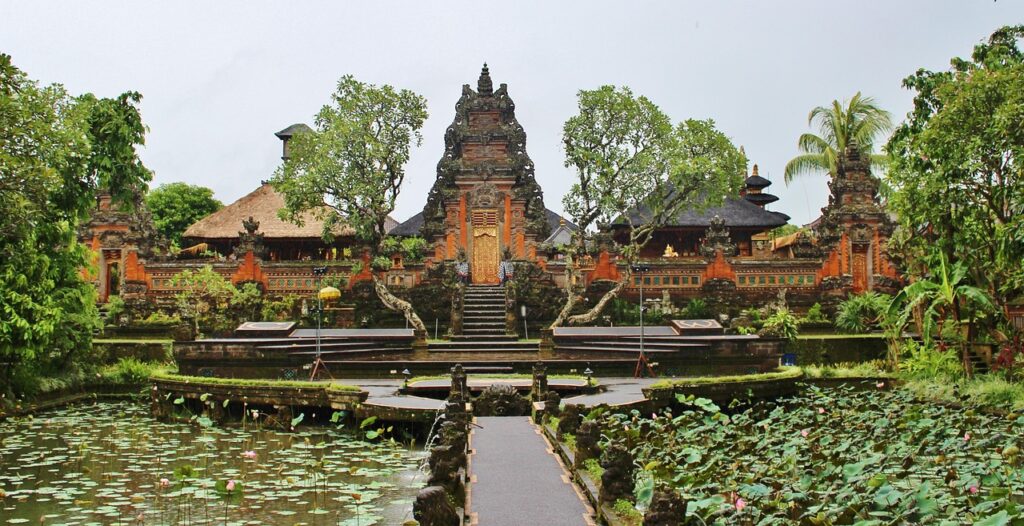
Bali is still a classic stop because it gives you a lot of options in one island. Travellers remember Bali for its beaches, culture, temples, and rice terraces. Some amazing places to visit in Bali are Ubud, Kuta, Sanur, Tegalalang, and Besakih.
A practical way to do Bali is to split it into two moods. Stay inland first, usually around Ubud, if you want rice fields, temples, and a slower base. Then move to the coast if you want beaches, surf, or easier sunset evenings. That kind of split keeps the island from feeling rushed.
Bali is also the place where it helps to resist the urge to “see everything.” The island can easily become too full if every day is packed with a new location. It is better to choose a few parts of the island and actually enjoy them.
Days 10–12: Lombok and the Gilis
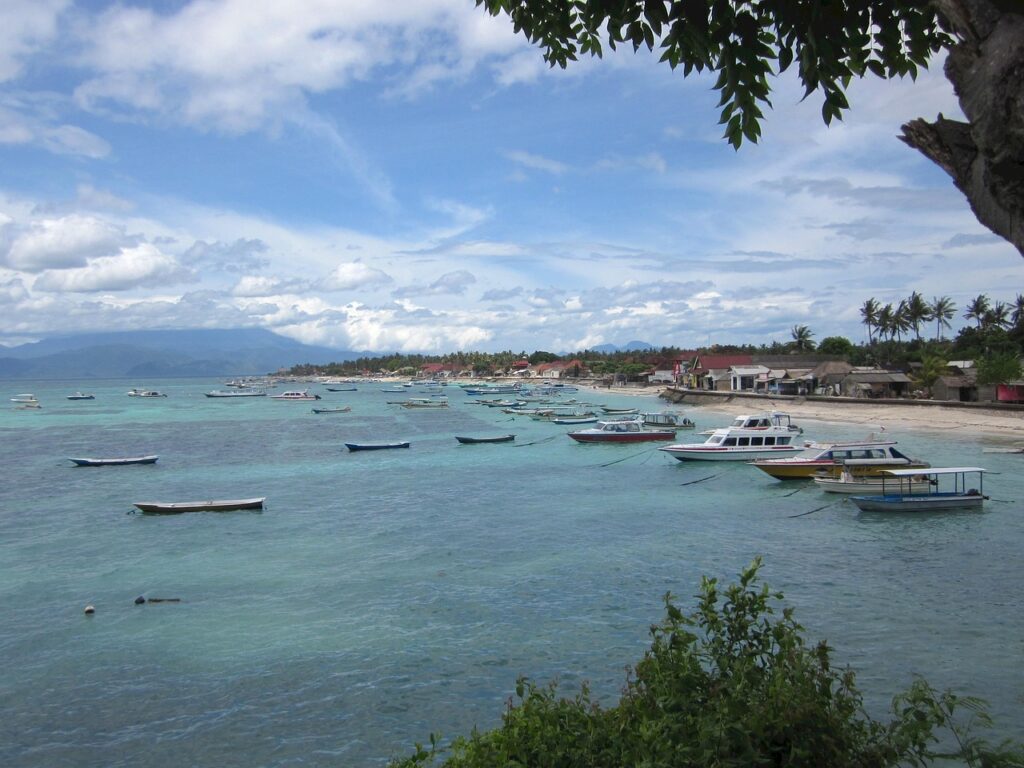
If you want the trip to slow down a little, Lombok is the right move. Lombok is a place for beaches, Mt Rinjani, marine life, waterfalls, Sasak villages, and the Gili Islands. That makes it an excellent contrast to Bali, especially if you want a section of the trip that feels less crowded and a bit more laid back.
The Gilis are the easiest add-on if you want island time without making the itinerary feel too ambitious. Gili Trawangan, Gili Meno, and Gili Air are the names most travelers will hear first, and they fit naturally into a 2-week route like this. If your trip is already feeling full, even two nights here can work well.
This section of the route is where the trip starts to breathe. After temple days, transit days, and Bali’s energy, Lombok gives you room to slow down and enjoy being on the islands.

Days 13–14: Komodo / Labuan Bajo
If you want the trip to end on a high note, use the last two days for Labuan Bajo and Komodo National Park. Komodo National Park is a UNESCO World Heritage Site and known for its dragons, islands, marine life, and dramatic scenery. UNESCO describes the park as a striking landscape of rugged hills, beaches, and blue waters.
This is the most dramatic finish you can give the itinerary. It is also the part of the trip that feels most like a reward for making the long journey across the islands. If you are short on energy or prefer a slower ending, you can skip Komodo and spend the final days back in Bali or Lombok instead.
How to get around
Indonesia is best handled as a combination trip. You will usually be mixing flights, ferries, trains, and local transfers depending on which islands you choose. That is normal here. The important thing is not to force every move into a single “efficient” route if it leaves you exhausted. A better plan is to keep the longest jumps limited and use each base properly before moving on.
For Komodo specifically, the national park is usually reached via Labuan Bajo in west Flores, with daily flights originating from Denpasar in Bali. That makes Labuan Bajo the sensible gateway if you decide to include Komodo at the end of the trip.
Food, budget, and pace
A two-week Indonesia trip works best when you do not treat every day like a checklist. Eat simply when you are moving around, save the more relaxed meals for your longer stays, and leave a little flexibility in the middle of the trip. The best travel days here are usually the ones that are full enough to feel rewarding but not so full that you need a recovery day afterward.
That approach also fits a backpacker trip better than trying to make everything “perfect.” Indonesia gives you enough variety that the trip feels bigger than the planning, which is exactly why a clean route works so well.
Final thoughts….
A two-week trip to Indonesia is best when it is built around a strong route rather than too many isolated stops. Yogyakarta gives you culture, East Java gives you volcano country, Bali gives you the classic island stop, Lombok gives you space to slow down, and Komodo gives you a memorable finish. That mix is broad enough to feel complete, but focused enough that the trip still feels realistic.