Most first-time backpackers overpack. Like, embarrassingly so. They show up at a hostel dragging a 70L bag stuffed with three pairs of jeans, a hair dryer, and shoes for every occasion — and then they hate their life on every bus ride, every staircase, and every airport sprint. The rule of thumb: if you’re doubting it, leave it out.
This list is built for a 2-week to 3-month trip to warm climates — Southeast Asia, Central America, South America. It’s what you actually need, not what REI wants you to buy.
The Golden Rule of Backpacking — Less is More
Here’s the mindset shift: your bag is your house. You carry it on your back, up stairs, into tuk-tuks, through sweaty markets, onto overnight buses. Every extra kilo costs you energy, comfort, and sanity.
Pick a 40–50L bag. Pack only what fits. If it doesn’t fit without forcing it, something comes out — not the bag zip. The goal is to move freely, stay flexible, and not look like you’re fleeing the country.
One firm rule: if you pack it, you carry it. Every. Single. Day.
The Bag
Choosing Your Backpack
The 40L vs. 50L debate is real. Here’s the honest answer: 40L is better for most people. It forces you to pack light, fits in overhead compartments on budget airlines (huge win), and is way easier to carry in heat. Go 50L only if you’re doing serious trekking and need gear like sleeping bags or hiking equipment.
Top-loader vs. panel-access: Panel-access (clamshell opening) wins for backpacking towns and hostels. You can dig to the bottom without unpacking everything. Top-loaders are better for hiking-heavy trips.
3 solid options across price ranges:
- Osprey Farpoint 40 (~$185) — The standard. Comfortable, durable, fits most bodies. Has a detachable daypack. Hard to go wrong.
- Deuter AViANT Access 40 (~$150–$170) — Panel-access, padded back, lockable zipper loops. Excellent for urban travel. (The older Deuter Transit 40 has been discontinued — the AViANT is its replacement.)
- Tortuga Travel Backpack Lite 40L (~$199) — Built specifically for carry-on travel. Laptop compartment, smooth panel access, looks like a travel bag not a hiking pack. Note: the old Tortuga Setout 45L has been discontinued; this is the current model.
Day Pack
You need one. Non-negotiable. A small 15–20L daypack is what you grab when you leave your big bag at the hostel — for temples, beaches, city walks, day trips.
Options: the Osprey Daylite ($80) is waterproof and packs into its own pocket. Even a cheap $10 dry bag from a local market does the job in a pinch.
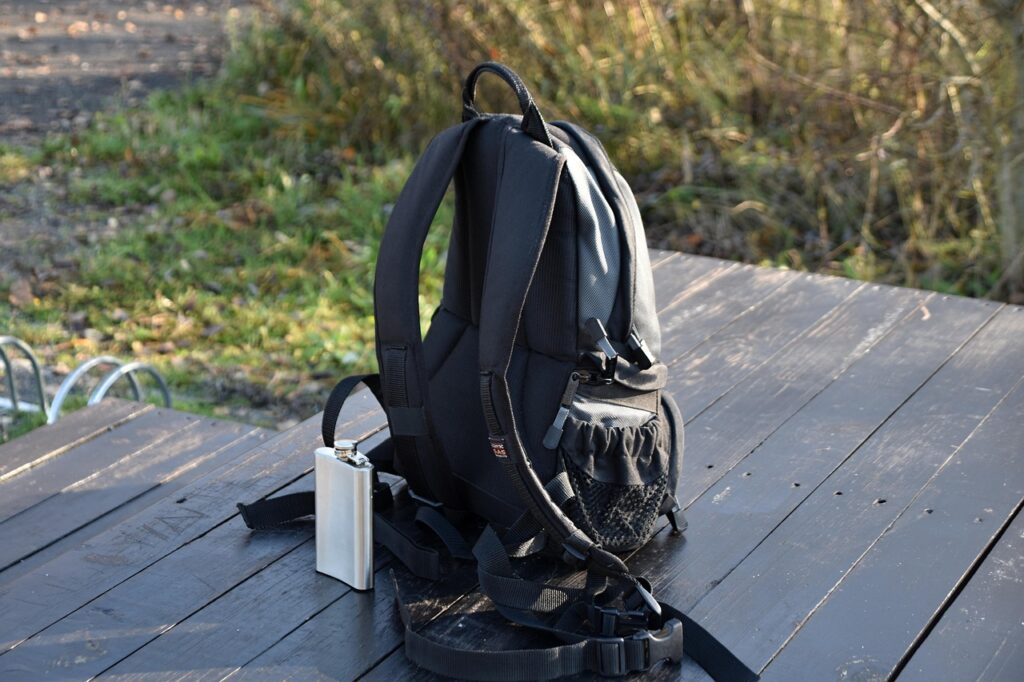
Clothing — The Minimalist Way
The goal: 7–10 pieces total. You’ll wash clothes on the road. Laundry is cheap ($1–$3 per kg in most of Southeast Asia).
Tops
- 3–4 lightweight t-shirts — Go synthetic (polyester/nylon blend) or merino wool. They dry fast, don’t smell as bad after a sweaty day, and pack small. Avoid cotton — it soaks sweat and takes forever to dry.
- 1 long-sleeve shirt — For temples, mosques, cooler bus rides, and evenings. A thin linen shirt is perfect.
Bottoms
- 1 pair of lightweight travel pants — Something like Columbia Silver Ridge or similar. Quick-dry, zip-off is optional but handy. These double as your “nice” outfit for nicer restaurants or border crossings.
- 1–2 pairs of shorts — One for everyday walking, one for beaches or trekking. Quick-dry fabric only.
Underwear & Socks
Go merino wool here — seriously, this hits different. Wool is naturally antimicrobial, meaning you can wear it 2–3 times before it actually smells. It also regulates temperature, so it works in heat and cold. Yes, it costs more upfront (~$20–$30 per pair for Darn Tough socks or Smartwool). Worth every cent.
- 4–5 pairs of merino underwear
- 3–4 pairs of merino socks (liner socks for trekking, ankle socks for everyday)
Shoes
This is where people go wrong. Two pairs, maximum:
- 1 lightweight walking shoe or trail runner — Something like the Salomon Speedcross, Merrell Vapor Glove, or New Balance Minimus. Should work for city walking, light trekking, and casual everything.
- 1 pair of flip flops — Reef, Havaianas, or honestly the $3 pair from any SEA market. For showers, beaches, hostel dorms, evening walks.
No sneakers AND sandals AND trail shoes. Pick one solid shoe and flip flops. Done.
Rain Layer / Light Jacket
One compact rain jacket that packs into its own pocket is a must. The Patagonia Torrentshell 3L — not stylish, but it works.
Skip the heavy fleece. If it gets cold at altitude, you can buy a cheap fleece locally for $5–$10 in most countries.
Toiletries
The approach: bring the basics in travel sizes, buy the rest locally. Shampoo, conditioner, body wash — all available for cheap everywhere you’ll be. No need to bring full bottles.
Must bring:
- Travel-size toothpaste + toothbrush
- Solid shampoo bar (saves space, no liquid rules on planes) — Lush or Ethique are good picks
- Travel deodorant — solid stick, not spray
- Sunscreen SPF 50 (bring from home — it’s often expensive or low quality in SEA)
- Small nail clippers + tweezers
- Razor (or just buy a cheap one locally)
- Microfiber travel towel — hostels don’t always provide one, and this dries in 20 minutes
Leave behind:
- Full-size anything
- Hair dryer (see the “do not pack” section)
- Perfume or cologne bottles
- Multiple face creams, serums, etc. — one light moisturizer with SPF is enough
Tech & Electronics
Keep it lean. You’re not setting up a home office.
Bring:
- Your phone — This is your map, camera, translation app, bank, booking engine, and alarm clock. Unlock it before you leave so you can use local SIM cards (around $5–$15 for 30 days of data in SEA).
- Power bank — At least 10,000mAh. The Anker 313 are reliable. Long bus rides and overnight trains will drain your phone.
- Universal travel adapter — One compact one is enough. The EPICKA Universal (~$15) covers most countries.
- Earbuds or headphones — Flights, overnight buses, hostel dorms with snorers. The Sony WF-1000XM5 earbuds (~$299 retail, often discounted to ~$250) are excellent. Budget option: any basic in-ear from $15–$30.
- Kindle — Optional but excellent. Lighter than books, holds thousands of them, battery lasts weeks.
Skip:
- Laptop — Unless you’re a remote worker or digital nomad who genuinely needs it. It adds weight, is a theft target, and most of what you’d use it for can be done on your phone. If you do need one, the MacBook Air M4 is the lightest serious option.
- Tablet — Your phone does this job. You don’t need both.
- Camera — Only bring one if photography is a main purpose of your trip. Modern phones shoot great. A GoPro (~$400) is worth it if you’re doing water activities or adventure sports.
- Travel hair straightener — Absolutely not.
Cables & accessories:
- USB-C cable (2x — one for charging, one backup)
- Short charging cable that lives in your daypack
- Cable organizer pouch to keep the mess manageable
Documents & Money
This section is more important than most people think. Getting this right can save your trip if things go wrong.
Physical documents to carry:
- Passport — Keep it in a slim passport pouch that goes under your shirt or in a hidden pocket ($10–$15 on Amazon)
- Debit card + credit card — Two different cards, ideally from different banks. Charles Schwab checking account has zero foreign ATM fees worldwide — if you’re American, get this before you go. Wise is excellent for international transfers and spending in local currency.
- Backup card — Keep a third card somewhere separate from your wallet (bottom of your bag, inside a book, etc.)
- Travel insurance card — Print it. Know the emergency number by heart.
- Vaccination records if required (Yellow Fever for some countries, etc.)
Digital backup:
- Upload copies of your passport, visa, travel insurance, and card details to Google Drive. Share the folder with a trusted person at home. If your bag gets stolen, you can still prove who you are and access your records from any device.
Cash:
- Carry $100–$200 USD cash as emergency backup. USD is accepted almost everywhere in SEA and Central America.
- Use ATMs in cities and airports, not sketchy standalone machines.
- Withdraw larger amounts to minimize per-withdrawal ATM fees.
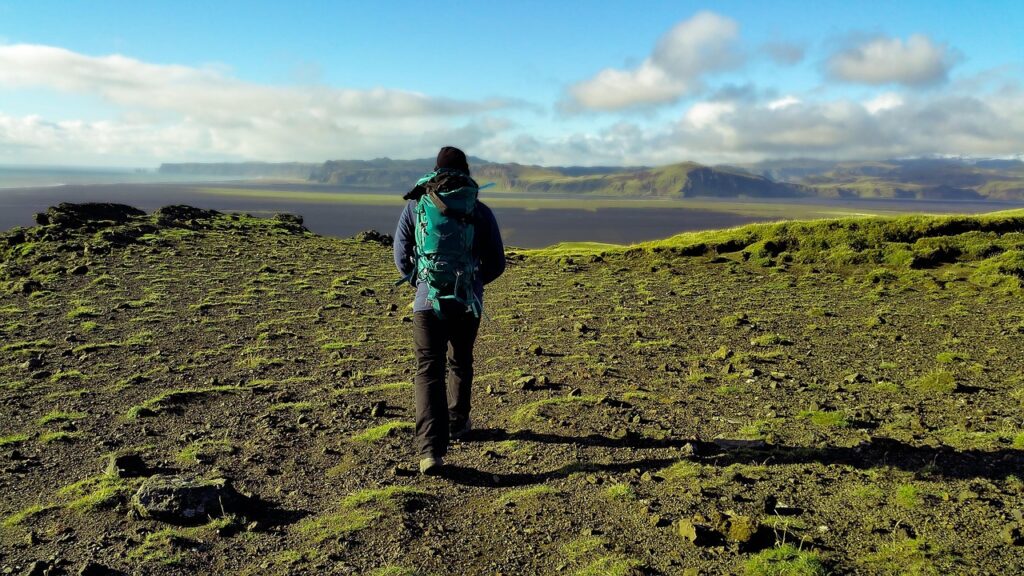
Health & Safety Kit
Don’t overdo this. A small ziplock or packing cube is enough.
Bring:
- Stomach meds — This is mandatory for Southeast Asia travel. Imodium (loperamide) for diarrhea, Pepto-Bismol tablets, and oral rehydration salts (ORS). Street food is amazing but your gut will need backup eventually.
- Pain relief — Paracetamol and ibuprofen. Both available locally but handy to have.
- Antihistamine — For allergies, insect reactions, or helping you sleep on overnight buses.
- Antiseptic wipes + small bandages — Cuts happen. Scooter scrapes happen more.
- Tweezers — Already in your toiletries, but useful for splinters, thorns, ticks on trekking days.
- Mosquito repellent with DEET — Bring a small bottle, top up locally. Essential in areas with dengue or malaria risk.
- Any personal prescriptions — Bring enough for your whole trip plus extra. Getting specific meds abroad can be difficult or unreliable.
- Sunscreen — Already mentioned, but worth repeating. Bring high SPF from home. Cheaper sunscreens in SEA often have low SPF or bleaching agents.
Optional but useful:
- Reusable water bottle with filter (like a Grayl Geopress ~$90) — if you’re going off-grid or trekking
- Small thermometer
- Travel sickness tablets if you’re prone to motion sickness on winding mountain roads
Things You Should NOT Pack
This section is where real backpackers nod knowingly. These are the things first-timers haul halfway around the world and regret within 48 hours.
- Hair dryer — Every hostel and guesthouse either has one or the climate dries your hair in 10 minutes. Leave it.
- Full-size shampoo/conditioner bottles — You can buy these everywhere for less than a dollar. Do not bring 500ml bottles for a 2-month trip.
- Jeans — Heavy, slow to dry, uncomfortable in heat, take up enormous bag space. Pack lightweight travel pants instead.
- Fancy shoes or heeled anything — You will never wear them. Backpacker life is not shoe-appropriate for anything that isn’t flat and walkable.
- Multiple books — Get a Kindle. Physical books are heavy, swap at hostels, or buy one and leave it at the next hostel.
- Laptop “just in case” — Just in case what, exactly? If you need it for work, fine — but if it’s “maybe I’ll write that novel,” leave it.
- Excessive sleep stuff — A silk sleep sack is enough. You don’t need a full travel pillow set, eye mask, ear plugs, AND a noise machine.
- That nice outfit — You know the one. The “dinner in case I go somewhere fancy” outfit. You won’t go there. And if you do, you’ll figure it out locally.
- Towel from home — Unless it’s a microfiber one. Regular towels are large, heavy, and slow to dry. A microfiber travel towel takes up the space of a t-shirt and dries in minutes.
- More than 2 pairs of shoes — Already covered above, but it bears repeating. People bring three pairs of shoes and wear one. Don’t be that person.
The Final Packing Checklist
Print this, screenshot it, bookmark it. This is your go-to before every trip.
🎒 The Bag
40–50L main backpack
15–20L daypack
👕 Clothing
3–4 lightweight t-shirts (synthetic or merino)
1 long-sleeve shirt (linen or merino)
1 pair of travel pants (quick-dry)
1–2 pairs of shorts (quick-dry)
4–5 pairs of merino wool underwear
3–4 pairs of merino socks
1 pair of walking shoes / trail runners
1 pair of flip flops
1 compact rain jacket
🧴 Toiletries
Solid shampoo bar
Travel toothbrush + toothpaste
Travel deodorant (solid)
Sunscreen SPF 50
Nail clippers + tweezers
Razor
Microfiber travel towel
Light moisturizer
💻 Tech & Electronics
Phone (unlocked)
Power bank (10,000mAh+)
Universal travel adapter
Earbuds or headphones
USB-C cables (x2)
Cable organizer pouch
Kindle (optional)
📄 Documents & Money
Passport (in passport pouch)
Debit card + credit card (2 different banks)
Backup card (stored separately)
Travel insurance card (printed)
Emergency USD cash ($100–$200)
Digital copies on Google Drive
Vaccination records (if required)
💊 Health & Safety
Imodium (loperamide)
Pepto-Bismol tablets
Oral rehydration salts
Paracetamol + ibuprofen
Antihistamine
Antiseptic wipes + bandages
Mosquito repellent (DEET)
Personal prescriptions (full supply + extra)
Small first aid kit
FAQs
What size backpack is best for long-term travel?
A 40L backpack is the sweet spot for most people doing 2 weeks to 3 months. It’s small enough to carry on budget airlines (saving you checked-bag fees), big enough to hold everything on this list, and light enough that walking 20 minutes to a hostel doesn’t ruin your day. Go 50L if you’re doing serious trekking with camping or cold-weather gear. Go bigger than 50L only if you have a very specific reason — and even then, reconsider.
Should I bring a laptop backpacking?
Only if you genuinely need it for work — remote workers, freelancers, photographers doing heavy editing. If you’re “thinking about maybe writing something” or “just in case,” leave it at home. Your phone handles banking, navigation, communication, and entertainment. Laptops are a theft target, add 1–2kg, and take up a huge chunk of your bag. If you do bring one, get a lightweight sleeve and never leave it at the hostel unattended.
How do I keep my valuables safe while backpacking?
A few things that actually work: use a passport pouch worn under your clothes for your passport and emergency cash. Store your main card and backup card separately — one in your wallet, one deep in your bag. Use hostel lockers for your laptop and camera when you’re out. Don’t flash expensive gear in crowded markets. And get travel insurance — if something gets stolen, at least you’re covered. Most theft that happens to backpackers is opportunistic, not targeted. Basic awareness goes a long way.
Can I do laundry while backpacking?
Yes, and it’s very easy. Laundry services are everywhere in Southeast Asia, Central America, and most popular backpacker destinations. You drop off your bag of clothes, pay $1–$3 per kg, and pick it up washed and folded the next day. In some places it’s done same-day. This is why you don’t need 10 t-shirts — plan a laundry stop every 5–7 days and you’re fine. Some hostels also have washing machines available for guest use. Handwashing a few items in the sink and hanging them to dry overnight is also totally doable with quick-dry fabrics.
You’ve got the list. You know what to pack and what to skip. Now pack it, zip it, and go.