Let’s be real: $50 a day in Europe is possible, but it depends entirely on where you go. Spend a week in Warsaw or Sofia and you’ll have money left over. Roll into Paris or Oslo and you’ll burn through $50 before lunch. This guide doesn’t sugarcoat it. Instead, it breaks down your Europe backpacking budget country by country and category by category — accommodation, food, transport, activities — so you know exactly what you’re getting into before you book a flight. If you’ve got the right mindset and a little flexibility, travel Europe on a budget and have the time of your life.
Is $50 a Day in Europe Realistic? (The Honest Answer)
Yes — but only if you’re traveling the right way. This guide is written for backpackers: people staying in hostel dorms, eating street food and supermarket meals, moving around on buses and trains, and skipping the €20 cocktail bars.
In Eastern Europe and the Balkans, $50/day is actually comfortable. You might even land at $30–35 and feel like you’re living well. In Southern Europe — Portugal, Spain, Greece — $50 is doable but tight. It requires discipline. In Western Europe, $50 is survival mode. You’ll manage, but you won’t thrive. In Scandinavia, $50/day barely covers a hostel bed and two meals. That’s the honest answer.
This guide isn’t about deprivation. It’s about being smart with your money so you can actually afford to stay longer, see more, and not spend your whole trip doing mental math at every restaurant. If you’re okay with hostel dorms, local food, and public transport, you’re in the right place.
Where Your $50 Goes — Daily Budget Breakdown
Here’s a typical backpacker daily budget at a glance. These are broad averages — the country breakdowns below get more specific.
| Category | Budget Allocation | Notes |
|---|---|---|
| Accommodation (hostel dorm) | $12–20 | Lower in Eastern Europe, higher in Western Europe |
| Food (2–3 meals) | $12–18 | Mix of supermarkets, local spots, and the occasional sit-down |
| Transport (local + intercity) | $5–10 | Metro/bus for daily movement; intercity costs vary wildly |
| Activities / Entry Fees | $3–8 | Budget more for museums in Western Europe |
| SIM Card / Misc | $2–5 | Local SIM is worth it; misc covers laundry, toiletries, etc. |
| Total | $34–61 | Lands on budget in Eastern Europe, tight in the West |
The biggest variable is always accommodation. Shave $5–10 off that number by choosing bigger dorms, booking ahead on slow nights, or using overnight transport, and the rest gets easier.
Europe Budget by Country
Budget-Friendly Eastern Europe — Poland, Czech Republic, Hungary, Romania, Bulgaria ($25–40/day)
Eastern Europe is where $50/day stops being a challenge and starts being a lifestyle. These countries have solid infrastructure, incredible food, fantastic cities, and costs that feel almost absurd by Western standards.
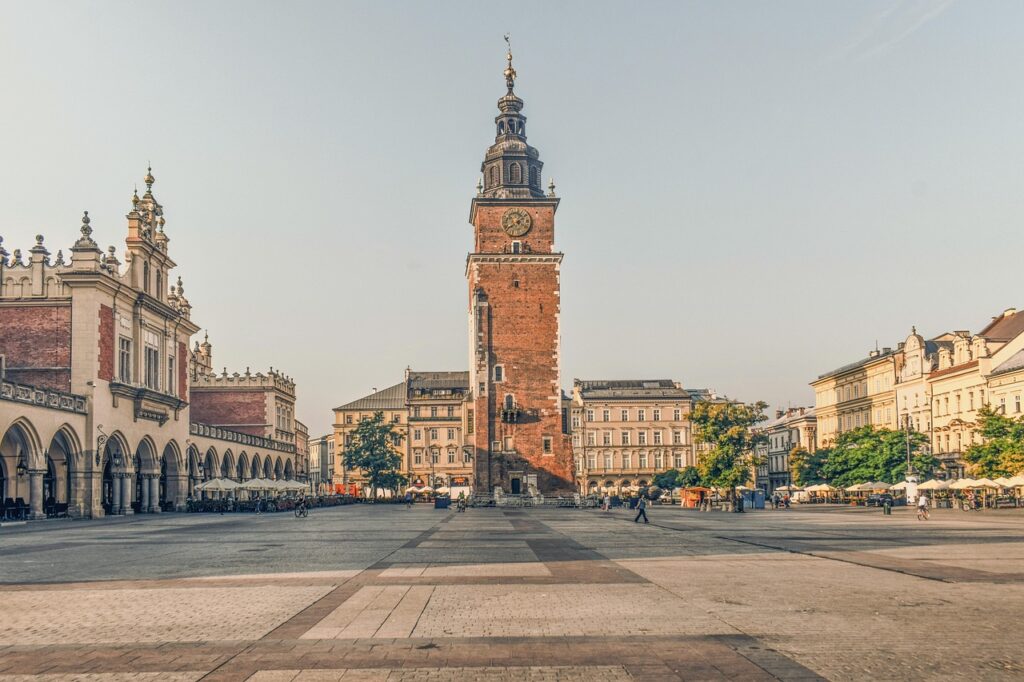
Poland is probably the best value in the region right now. Kraków in particular hits different — you’ve got a gorgeous old town, a thriving food scene, and hostels running around $15–18/night for a dorm bed. (Note: Kraków and Warsaw have gotten pricier in recent years; for the absolute cheapest beds, look at Wrocław or Poznań.) Street food like zapiekanki (basically a toasted baguette with toppings) runs $2–3, and a sit-down meal at a milk bar (bar mleczny) will set you back $4–6. Daily budget: $30–40.
Czech Republic — specifically Prague — gets a bad rap for being expensive, but it’s still much cheaper than Western Europe. Hostel dorms are $14–18/night. The tourist trap restaurants around Old Town Square will drain you, but walk two streets away and you’ll find Czech lunch specials (polední menu) for $6–8, usually including soup, a main, and sometimes a drink. Daily budget: $40–50.
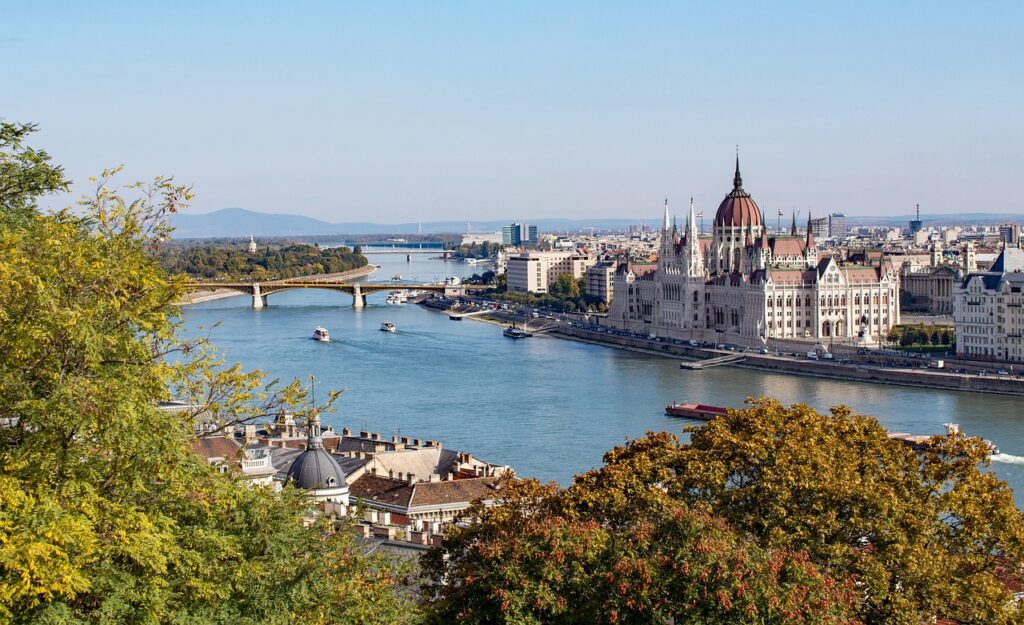
Hungary (Budapest) is split by the Danube and almost split in price from Prague — slightly cheaper, equally beautiful. Hostel dorms go for $14–18/night. The ruin bars are legendary and often free to enter; just don’t order imported beers. A solid goulash will cost you $5–7. Daily budget: $30–40.
Romania (Bucharest, Cluj, Transylvania) is seriously underrated. Bucharest has cheap accommodation ($8–13/dorm), and the food — especially at local terrace restaurants — is both good and affordable. Transylvania is worth the train ride; Sinaia and Brasov are stunning and still budget-friendly. Daily budget: $25–35.
Bulgaria (Sofia, Plovdiv) might be the cheapest EU country to backpack in right now. Dorm beds in Sofia run $8–12. A full meal at a traditional mehana (tavern) will cost $5–8. Plovdiv’s old town is free to wander and genuinely one of the most beautiful spots in Eastern Europe. Daily budget: $25–35.
Southern Europe — Portugal, Spain, Greece ($45–65/day)
Southern Europe is where $50/day becomes doable but requires actual effort. These countries attract a lot of tourists, prices have climbed in the last few years, and accommodation in peak season can be rough.
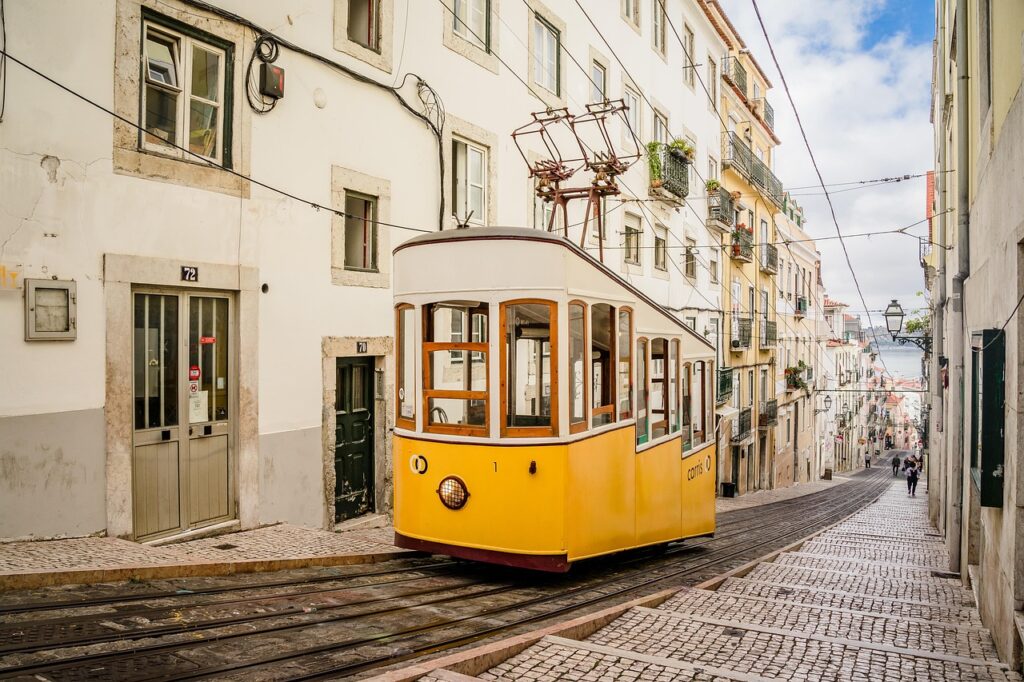
Portugal (Lisbon, Porto, Algarve) is the go-to budget destination in Western-ish Europe, and for good reason. Lisbon is still affordable compared to Paris or Amsterdam — hostel dorms run $16–22/night. A bifana (pork sandwich) from a local café costs $2–3. A proper sit-down meal with wine at a tasca can be $10–14 per person. The tram system is a must, but it’s also a pickpocket hotspot, so stay alert. Daily budget: $45–60.
Spain (Barcelona, Madrid, Seville) varies a lot. Barcelona is pricier — expect $18–25/night for a hostel dorm and higher food costs because the tourist infrastructure is massive. Head to smaller cities like Seville or Valencia and the budget eases up considerably. The lunch menú del día — a set three-course meal with bread and a drink — is a must and runs $10–14 at most places. Daily budget: $45–65.
Greece (Athens, Thessaloniki, islands) is a mixed bag. Athens is manageable — dorm beds around $16–20, gyros for $2.50–3.50, and tons of free ancient sites to explore. The islands are a different story; Santorini and Mykonos will absolutely blow your budget. Stick to lesser-known islands like Naxos or Paros, or go earlier in the season, and you’ll fare much better. Daily budget: $45–65.
Western Europe — France, Germany, Netherlands ($65–90/day, harder on $50)
Let’s be straight: $50/day in Western Europe is survival mode. It can be done, but you’ll be eating supermarket dinners most nights and picking free activities almost exclusively.
France (Paris, Lyon, Marseille) — Paris is the main offender. Hostel dorms run $30–40/night in central locations. A baguette and some cheese from a supermarket is your best friend. Budget cafés in outer arrondissements (try the 11th or 18th) will do lunch for $12–15. Lyon is cheaper and honestly has better food. Daily budget: $65–85.
Germany (Berlin, Munich, Hamburg) — Berlin is the most affordable major city in Western Europe. Hostel dorms run $18–25, döner kebab is $5–7 and genuinely filling, and the free and alternative culture scene is massive. Munich is considerably pricier, especially during Oktoberfest, when hostel prices go through the roof. Daily budget: $55–75.
Netherlands (Amsterdam, Rotterdam) — Amsterdam is expensive, full stop. Hostel dorms are $22–30/night and food costs are high. Rotterdam is the better budget call — younger, edgier, cheaper, and architecturally fascinating. Daily budget: $65–85.
Scandinavia — Norway, Sweden, Denmark ($100+/day)
There’s no way around it: Scandinavia will wreck a tight budget. This isn’t a region to visit if $50/day is your hard limit unless you’re camping, couchsurfing, or doing a workaway placement.
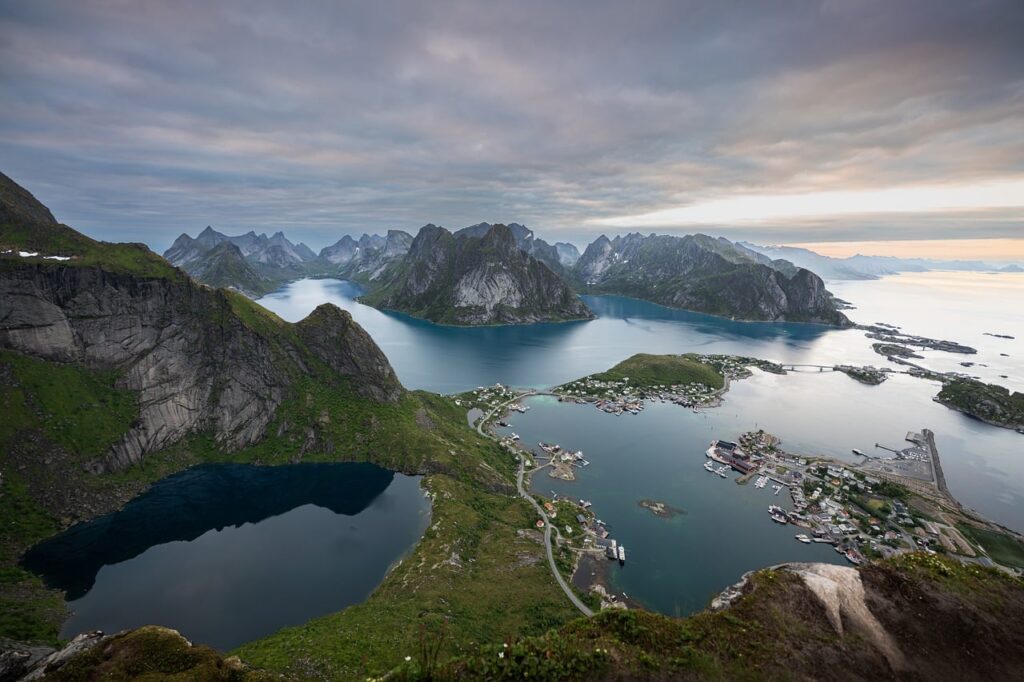
Norway (Oslo, Bergen, fjords) is arguably the most expensive country in Europe. A hostel dorm in Oslo runs $35–50/night. A basic kebab or hot dog from a kiosk is $8–10. If you really want to go, consider visiting in summer and camping, or base yourself in smaller towns near Bergen instead of Oslo. Daily budget: $110–150.
Sweden (Stockholm, Gothenburg) is expensive but slightly less brutal. Stockholm hostel dorms run $30–45/night. The good news: public transport is excellent and reliable, and there’s a cultural concept called allemansrätten (freedom to roam) which means you can camp almost anywhere in nature legally. Daily budget: $100–130.
Denmark (Copenhagen) sits somewhere between Sweden and Norway on the wallet-pain scale. Budget hostel dorms run $28–40/night. Copenhagen’s street food market at Reffen is worth a visit and slightly more wallet-friendly than restaurant dining. If you’re lucky, you’ll catch a free open-air concert in summer. Daily budget: $100–130.
The Balkans — Serbia, Bosnia, North Macedonia, Albania (the best-kept budget secret in Europe, under $35/day)
The Balkans are the best budget travel secret in Europe, and more backpackers are figuring that out every year. Infrastructure is improving, the food is incredible, and prices are still very much pre-overtourism levels.
Serbia (Belgrade, Novi Sad) is a must. Belgrade is one of the most underrated cities on the continent — a massive party scene, incredible food, and a hostel dorm for $10–14/night. A full meal at a kafana (traditional Serbian restaurant) with bread and a drink is $6–9. Don’t miss a ćevapi if you’re there. Daily budget: $25–35.
Bosnia and Herzegovina (Sarajevo, Mostar) is genuinely one of the most atmospheric places in Europe. Sarajevo has a fascinating history, incredible Bosnian coffee culture, and some of the cheapest accommodation around — dorms run $10–13/night. Ćevapi in Baščaršija (the old bazaar) is a rite of passage and will cost you $3–4. Mostar’s bridge is iconic — go early morning to beat the crowds. Daily budget: $25–35.
North Macedonia (Skopje, Ohrid) is cheap, friendly, and surprisingly beautiful. Lake Ohrid is one of the oldest and deepest lakes in Europe and is worth a trip from anywhere. Daily budget: $20–30.
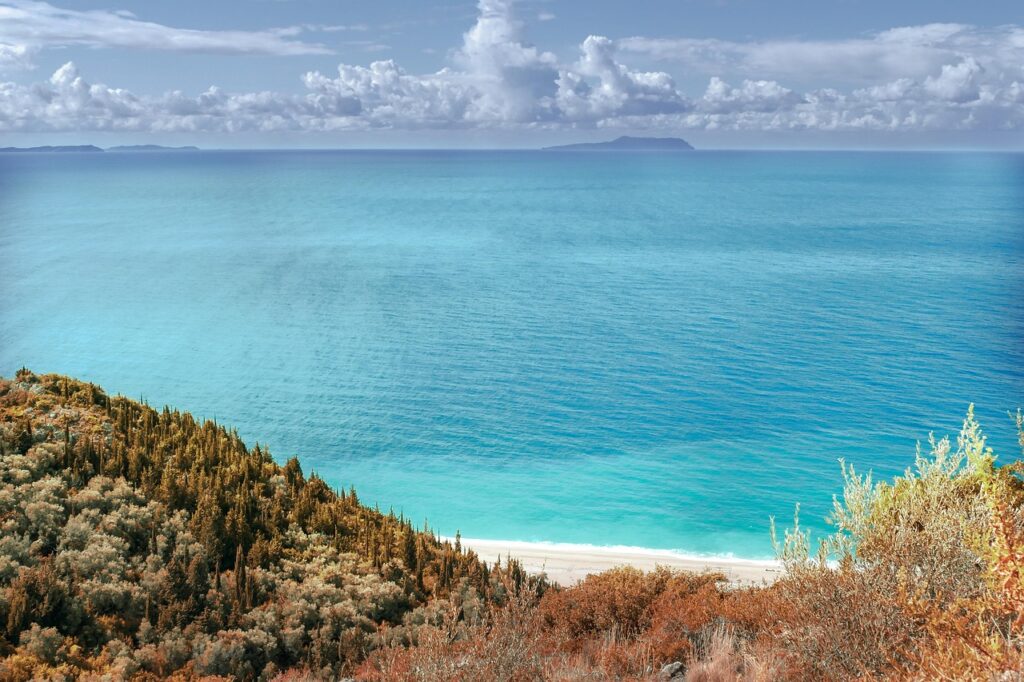
Albania (Tirana, Berat, Albanian Riviera) is the wild card. Albania has opened up significantly over the last five years and is attracting budget travelers fast. Tirana is vibrant and affordable. The Albanian Riviera rivals Greece’s coastline at a fraction of the cost. Hostel dorms in Tirana run $8–12, a full meal is $4–7. Daily budget: $25–35.
Accommodation Tips to Stretch Your Budget
Best Hostel Booking Sites
Hostelworld is the go-to platform for hostel-specific searches. The review system is solid and lets you filter by dorm price, facilities, and location. Booking.com often has better prices for private rooms and guesthouses, and sometimes includes hostels that aren’t on Hostelworld. Always check both, and look at the hostel’s own website — some offer discounts for direct bookings.
A few practical tips: book midweek nights for cheaper rates, avoid booking over major local holidays, and read recent reviews (anything older than six months is less reliable). A hostel with fewer reviews but consistently positive recent ones often beats a well-known hostel with mixed feedback.
Couchsurfing and Work-for-Stay Options
Couchsurfing is still a thing, though it now requires a paid membership. If you’re open to it, it’s one of the best ways to meet locals, get honest tips about a city, and cut your accommodation costs to zero. The key is a strong profile, personalized requests, and giving back to the community.
Workaway and HelpX connect travelers with hosts who need a few hours of help per day — hostel reception, farm work, language exchange — in exchange for accommodation and sometimes meals. If you’re spending more than a week in one place, this can completely change your budget math.
Overnight Buses and Trains
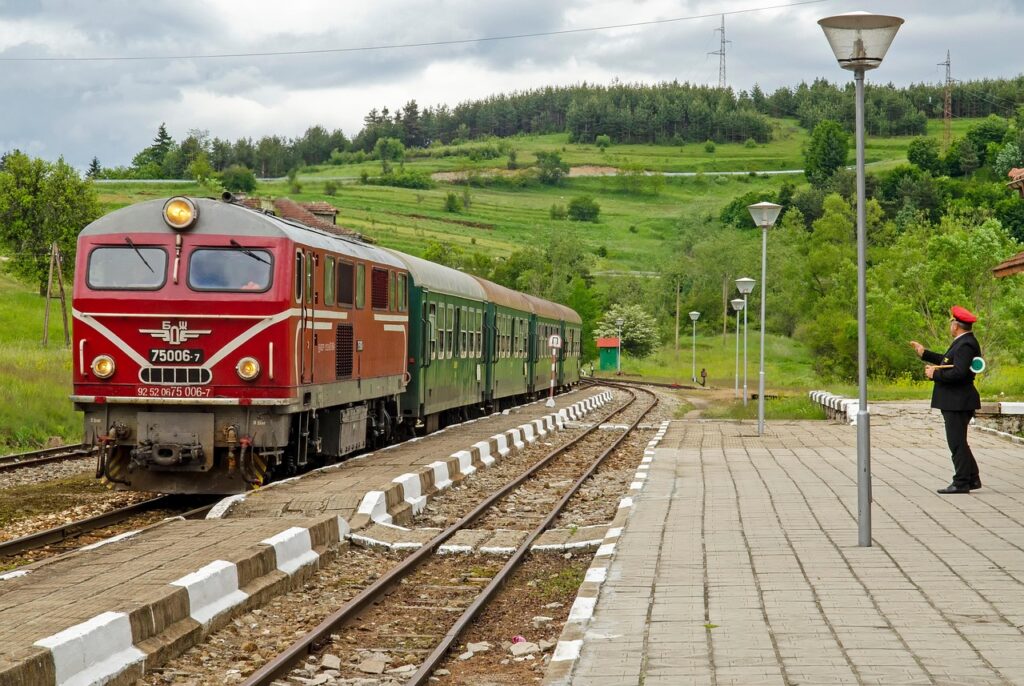
This is one of the cleanest budget hacks in backpacking: take an overnight bus or train between cities, sleep on board, and wake up at your destination. You’ve saved a night’s accommodation ($10–20) and knocked out the transport at the same time. Flixbus and Eurolines both operate overnight routes across Europe. Serbian and Romanian night trains are worth knowing about too — cheap, functional, and strangely enjoyable.
Food Budget Hacks in Europe
Supermarkets are your best friend. Lidl, Aldi, Biedronka (Poland), Kaufland, and Carrefour are everywhere across Europe and have solid, affordable food. A supermarket dinner — some bread, local cheese, cold cuts, fruit, and a beer — can cost $4–6 and is often better than a mediocre tourist restaurant meal for three times the price.
At lunch, look for the local daily special. In Spain, it’s the menú del día. In Poland, it’s the zestaw obiadowy. In Czech Republic, it’s the polední menu. Almost every country has some version of a discounted set lunch — usually two or three courses for significantly less than ordering off the regular menu. This is the single best food value in Europe. Many locals eat this way too, which is a good sign.
Free hostel breakfasts are worth factoring into your choice of accommodation, especially if the hostel charges $15–18/night but throws in toast, cereal, eggs, or fruit. That can save you $3–5 in the morning.
Avoid sitting down at any restaurant with photos on the menu near a major tourist landmark. The markup is real. Walk two or three streets away from the main square and prices drop noticeably. Ask hostel staff where they eat — that’s always the best tip you’ll get.
Getting Around Europe Cheaply
Budget Airlines
Ryanair and Wizz Air dominate the ultra-cheap European flight market. If you book 4–6 weeks out and travel with only a personal item (no checked bag), you can fly between cities for $15–40. The catch: both airlines are strict about bag sizes, airports are often outside city centers (factor in the bus or train transfer), and any extras (seat selection, check-in bag) add up fast. Book direct through the airline’s website to avoid third-party fees.
Flixbus
Flixbus is the backbone of budget overland travel in Europe. It covers an enormous network across 40+ countries, and prices are often $5–25 for multi-hour journeys if you book early. It’s slower than flying or the train, but the tradeoff is cost and city-center pick-up/drop-off points. Overnight Flixbus routes are especially good value.
Eurail Pass — When It’s Worth It vs. When It’s Not
The Eurail pass is worth considering if you’re doing a lot of Western Europe or Scandinavia in a short time. For Eastern Europe, it’s usually not worth it — national rail passes or individual tickets are much cheaper. The Global Pass sounds attractive but only makes financial sense if you’re doing multiple long-haul train routes per week. Do the math before you buy.
BlaBlaCar
BlaBlaCar is a ridesharing app where drivers offer spare seats for a small fee. It’s big in France, Germany, Poland, and increasingly across Eastern Europe. Often cheaper than the train, more comfortable than a bus, and a good way to meet locals. It works best for popular routes — less so for off-the-beaten-path destinations.
Free Things to Do in Europe
Europe is full of experiences that cost nothing. Here are 12 worth knowing about:
- Free museum entry windows — Many European museums have free access if you time it right, but the rules vary a lot. The Louvre in Paris is free on the first Friday evening of the month (after 6pm — except July and August). The Prado in Madrid is free every single day during the last two hours of opening (Mon–Sat: 6–8pm, Sun: 5–7pm). The Musée d’Orsay in Paris and many other French national museums are free on the first Sunday of the month. Always check the official museum site — the old “first Sunday everywhere” rule is a myth that’ll get you turned away.
- Walking tours — Almost every major city has free walking tours run on a tips-only basis. They’re a genuinely great way to orient yourself and hear real stories about a city. Not to be missed in cities like Prague, Kraków, Lisbon, and Berlin.
- Wander the old towns — Tallinn, Dubrovnik, Kotor, Sibiu — some of Europe’s most stunning architecture is just sitting outside and free to walk through. You don’t need a ticket.
- Parks and public spaces — London’s Hyde Park, Munich’s Englischer Garten (where you can watch surfers on a river wave, which hits different), Vienna’s Prater, and countless city gardens cost nothing.
- Beaches — Most of Europe’s beaches are public and free. The Algarve in Portugal, the Albanian Riviera, Greek islands, Croatian coast — all free.
- Street markets — From Berlin’s flea markets to Tbilisi’s Dry Bridge to Istanbul’s Grand Bazaar, street markets are free to browse and often fascinating.
- Free outdoor concerts in summer — Particularly good in Berlin, Copenhagen, and Amsterdam, where free live music in parks and plazas is a summer staple.
- Viewpoints and hilltops — Most panoramic views of European cities are free. Montmartre in Paris, Monserrate in Sintra, Gellért Hill in Budapest — no entry fee, incredible payoff.
- Cathedrals and churches — The vast majority of Europe’s historic churches are free to enter. Sagrada Família is a notable exception, but most Gothic cathedrals and Orthodox churches? Walk right in.
- Hiking near cities — The trails around Cinque Terre, around Lake Bled in Slovenia, and through Scotland’s highlands are all free (transport to the trailhead is the only cost).
- Free gallery days — Tate Modern in London, the Musée d’Orsay in Paris (free on first Sundays of the month), and many national galleries offer free permanent collection access. Note: the Centre Pompidou is closed for major renovation until 2030.
- Historical sites and ruins — A lot of ancient ruins across Europe require no ticket. Roman ruins in places like Plovdiv or Split’s Diocletian’s Palace are just part of the city fabric.
Biggest Money Traps to Avoid
1. Airport food and drink. Airport prices are a tax on poor planning. Eat before you arrive, pack snacks, and bring an empty water bottle through security.
2. Taxis from airports. Most European airports have direct bus or metro links to the city center. Taking a taxi is almost always two to four times more expensive. Research the transit option before you land.
3. Exchanging currency at airports or hotel desks. The rates are terrible. Use a local ATM with a card that doesn’t charge foreign transaction fees (Wise, Revolut, and Charles Schwab in the US are popular options for travelers).
4. Tourist restaurant traps near landmarks. If there’s a menu board outside in six languages with pictures of every dish, walk away. The food will be mediocre and overpriced. Two streets away, local places serve better food at half the cost.
5. Buying a Eurail pass without doing the math. It’s tempting because it looks like freedom. But if you’re spending most of your time in Eastern Europe, a Eurail pass won’t save you money. Point-to-point tickets, buses, and regional passes will.
6. Overpacking and paying for luggage. Budget airlines are ruthless about bag fees. If you’re flying Ryanair or Wizz Air and you have a checked bag, you’ll pay $20–60 per flight. Pack to a personal item, and you avoid the fee entirely. That alone can save hundreds over a multi-week trip.
Sample $50/Day Europe Budget (Sample Week in Kraków, Poland)
Kraków is one of the best cities in Europe to test the $50/day budget — it’s affordable, beautiful, packed with history, and has a thriving food and nightlife scene. Here’s how a real week might look.
Day 1 — Arrival Hostel dorm (Hostelworld): $13 | Airport bus to city center: $2.50 | Supermarket dinner + beer: $6 | SIM card: $8 Daily total: ~$30
Day 2 — Old Town and Wawel Castle Hostel dorm: $13 | Free walking tour (tip): $5 | Zapiekanki at Plac Nowy: $3 | Milk bar lunch: $5 | Pierogi dinner at a local restaurant: $8 | Beer at a Kazimierz bar: $3 Daily total: ~$37
Day 3 — Auschwitz Day Trip Hostel dorm: $13 | Bus to Oświęcim and back: $8 | Auschwitz-Birkenau museum entry: Free (as of March 2026, online pre-booking at visit.auschwitz.org is mandatory — there is no walk-up entry at all) | Packed supermarket lunch: $4 | Dinner at milk bar: $5 Daily total: ~$30
Day 4 — Wieliczka Salt Mine + Night Out Hostel dorm: $13 | Bus to salt mine: $2 | Wieliczka Salt Mine entry: $35 (143 PLN, the 2026 adult rate) | Street food lunch: $4 | Pre-drinks from supermarket + bar entry: $8 Daily total: ~$62 (Salt mine day goes over — offset it with a cheaper day elsewhere)
Day 5 — Bike Day + Kazimierz Hostel dorm: $13 | Bike rental (half day): $8 | Bagel from Kazimierz market: $2 | Lunch at a café: $7 | Gallery visit (free): $0 | Supermarket dinner: $5 Daily total: ~$35
Day 6 — Day Trip to Zakopane Hostel dorm: $13 | Bus to Zakopane and back: $10 | Oscypek (smoked cheese) + grilled meats at market: $6 | Light dinner back in Kraków: $5 Daily total: ~$34
Day 7 — Slow Morning + Departure Prep Hostel dorm: $13 | Coffee and pastry at local café: $4 | Lunch at milk bar: $5 | Public transport + misc: $4 | Supermarket snacks for onward journey: $4 Daily total: ~$30
Week total: approximately $258 — still well under $350 ($50 x 7 days)
FAQs
What is the cheapest country to backpack in Europe?
Right now, Albania and North Macedonia are probably the cheapest overall. Bulgaria and Romania are close behind. If you want the combination of cheapness and great infrastructure, Poland is hard to beat — Kraków in particular offers exceptional value for money.
Can you backpack Europe for 2 weeks on $700?
Yes, if you stay in Eastern Europe or the Balkans. $700 over 14 days is $50/day — tight but workable in Poland, Hungary, Serbia, Bulgaria, or Albania. You’ll need to use overnight transport where possible, eat mostly at supermarkets and local spots, and skip the pricier paid attractions. Do the math before you go: budget $14–18/night for accommodation and $15–20 for food and you’re already at $30–38 before transport and activities.
Is a Eurail pass worth it for backpackers?
Rarely, unless you’re doing a specific high-speed, multi-country Western Europe route in a short time. For Eastern Europe, the Balkans, or any trip that mixes buses with trains, you’ll almost always save money booking individual tickets as needed. Flixbus and BlaBlaCar have also eaten into the Eurail value proposition significantly.
What’s the best budget airline for Europe?
Ryanair has the widest network and often the lowest base fares. Wizz Air is strong for Eastern Europe. easyJet covers a solid mix of Western and Southern European routes. All three will hit you with fees if you’re not careful — pack light, book early, and read the baggage policy before you confirm.
Final Word
Europe on a budget isn’t about suffering through your trip — it’s about making smarter choices that let you stay longer, see more, and have a better time. The backpackers who make $50/day work aren’t miserable. They’re eating great food at local spots, sleeping in hostels where they meet other travelers, and spending their money on experiences instead of Instagram-bait restaurants. Prioritize experiences over comfort, lean into Eastern Europe if your budget is tight, and trust that some of the best memories you’ll ever make in Europe cost next to nothing.