Best Places & Attractions in Malaysia
Malaysia has two distinct halves — Peninsular Malaysia (the mainland side) and Malaysian Borneo (the states of Sabah and Sarawak on the island of Borneo). Most first-timers stick to the peninsula, which is perfectly fine. But if you have the time and the budget to cross over to Borneo, it will genuinely blow your mind. Here are the places that are absolutely worth your time.
Kuala Lumpur (KL)
Almost every Malaysia trip starts here, and for good reason. KL is a proper big city — chaotic, loud, and thrilling — but with some surprisingly affordable corners. The absolute centrepiece is the Petronas Twin Towers. You have seen photos of them a hundred times, but standing underneath them at night is a different experience. The sky bridge on the 41st and 42nd floors is worth visiting if you book in advance — tickets for non-Malaysian visitors currently cost around RM 160–220 per person depending on the package (book via the official site at petronastwintowers.com.my to get the best rate), and it gives you a properly dizzying view of the city.
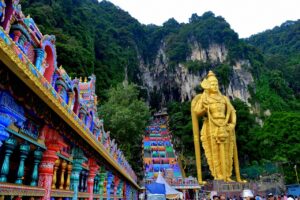
Batu Caves, just north of the city, is one of the most visited places in all of Malaysia. A towering gold statue of Lord Murugan greets you at the bottom, and then 272 rainbow-coloured steps lead you up into a dramatic limestone cave temple. It is totally free to enter the main cave. Go early in the morning to beat the heat and the crowds.
Chinatown (Petaling Street) is a classic backpacker haunt. It gets very touristy during the day with the market stalls, but the surrounding streets have some brilliant and very cheap old-school coffee shops and hawker stalls that locals actually use. Bukit Bintang is the main shopping and nightlife strip. You do not need to spend money there — just walking around and eating from the roadside stalls on Jalan Alor (the famous food street) is entertainment enough.
Also do not miss the KL Forest Eco Park, which is a patch of actual primary rainforest sitting right in the middle of the city near the KL Tower. Free to enter and genuinely surreal.
KL is the main entry hub for most travellers. KLIA and KLIA2 airports are well connected. From KLIA2 (AirAsia hub), the KLIA Ekspres train takes 28 minutes to KL Sentral for RM 55 (~USD 12). Budget option: take the Skybus or Aerobus to KL Sentral for around RM 15. From the city centre, everything is reachable by the excellent metro (LRT/MRT/Monorail) system.
Penang (George Town)
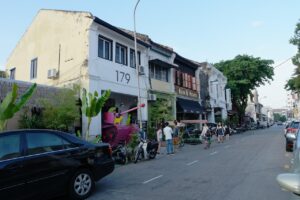
If you only have time for one stop outside of KL, make it Penang. George Town — the old colonial capital of Penang island — is a UNESCO World Heritage Site, and it earns that status. Walking through the old streets is a genuine trip back in time: shophouses with peeling paint, clan temples, colonial buildings, Chinese clan jetties stretching out over the water, and a cultural mix of Malay, Chinese, Indian and Peranakan heritage that you really cannot find anywhere else.
The street art scene here became famous after Lithuanian artist Ernest Zacharevic painted his interactive murals on the walls of George Town. You can spend a full morning just hunting these murals down across the back lanes. Most are free to view. The Penang Hill funicular takes you up to a cooler, quieter hilltop with views over the whole island and strait — budget around RM 30 return.
But let’s be honest — Penang is really all about the food. This island is considered by many to be the street food capital of Malaysia, and the competition is fierce. The hawker centres here are extraordinary. Spend at least two full days here, minimum.
The easiest budget option is the overnight bus from KL (TBS Bus Terminal or Pudu Sentral). Journey takes around 4–5 hours and fares start from RM 35–45 (~USD 8–10) depending on operator. Alternatively, ETS train from KL Sentral to Butterworth (Penang mainland) takes 3.5–4 hours from RM 37. From Butterworth, take a 15-min ferry to George Town for only RM 1.20. Flying is fast but not necessarily cheaper once you add up airport transfers.
Langkawi
Langkawi is Malaysia’s big beach and hill destination, and it has a legitimate advantage over many Southeast Asian islands: it is duty-free. Alcohol and chocolate are noticeably cheaper here than anywhere else in Malaysia, which makes beach bars a bit less painful on the wallet. The island is large and spread out, so this is not a place where you walk everywhere — you need to rent a motorbike (RM 35–45 per day) to properly explore, and that is half the fun.
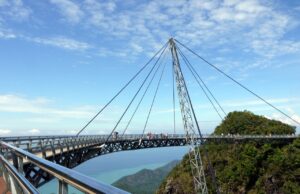
Pantai Cenang is the main beach strip with restaurants, guesthouses and water sports. Pantai Tengah just south of it is slightly quieter. But the best thing you can do on Langkawi is rent that bike and ride to the less-visited corners of the island. The Kilim Geoforest Park mangrove tour is genuinely spectacular — limestone karst cliffs rising out of still water, eagles swooping overhead, monitor lizards on the banks. A shared boat tour costs around RM 45–60 per person. The Sky Bridge and cable car ride up the main peak is touristy but worth doing once for the views.
Most people fly to Langkawi from KL (AirAsia, Batik Air). Fares can be as low as RM 60–80 one way if booked in advance. Alternatively, from Penang you can take a ferry direct to Langkawi — roughly 2.5 hours and costing around RM 70 one way. This is genuinely the most scenic way to arrive and lets you do Penang → Langkawi in one smooth move.
Cameron Highlands
If Malaysia’s heat is starting to wear you down — and it will — Cameron Highlands is the perfect escape. Sitting at around 1,500 metres above sea level, the temperature here is a refreshing 18–25°C even at midday. The hillsides are blanketed in neat rows of tea bushes, and the whole place has a very peculiar colonial-British atmosphere: strawberry farms, rose gardens, mossy jungle trails and old British bungalows converted into guesthouses.
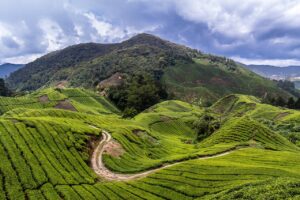
A visit to one of the BOH tea plantations is a must. You can tour the tea factory for free and then sit with a pot of freshly brewed tea overlooking the valley below. It is genuinely one of the most pleasant hours you will spend in Malaysia. The Mossy Forest at the top of Gunung Brinchang is a proper jungle experience — eerie, misty and dripping with pitcher plants and orchids. Take the road up to the summit (you need a car or tour) and then walk the boardwalk through the forest.
Cameron Highlands is also great value. Decent hostels go for RM 20–30 per dorm bed, and a full plate of fresh vegetables from the market stalls costs almost nothing.
Take a bus from KL’s TBS (Terminal Bersepadu Selatan) directly to Tanah Rata (the main town in Cameron Highlands). Several operators run this route; journey time is around 3.5–4 hours, costing RM 25–35. From Penang, buses go to Tanah Rata via Ipoh — budget around 4–5 hours. Once in Tanah Rata, you can walk between most guesthouses, restaurants and the market. For the tea plantations and mossy forest, join a cheap local day tour (RM 40–60) or rent a car.
Malacca (Melaka)
Malacca punches well above its weight for a city its size. It was once one of the most important trading ports in Asia — Portuguese, Dutch and British colonisers all left their mark here, and the result is a wonderfully layered UNESCO-listed old town. The famous red buildings around Dutch Square (Stadthuys, Christ Church) are iconic and photogenic, and the whole riverside area around Jalan Quay has been smartly developed into a nice walk.
The best thing to do in Malacca is simply wander. Walk the narrow lanes of Jonker Walk (Jonker Street), which turns into a lively night market on weekends. Browse the Portuguese-Eurasian fusion shops, the Peranakan (Baba-Nyonya) heritage houses, and the Chinese temples. The Baba & Nyonya Heritage Museum is one of the best small museums in Malaysia — the family home is immaculately preserved and the guided tour gives you a real window into Peranakan culture. Budget RM 16 entry.
Malacca is comfortably doable as a day trip from KL, but one night here is better — it lets you enjoy the night market and catch the old town without the daytime tour bus crowds.
Catch a bus from KL’s TBS terminal directly to Malacca Sentral bus terminal. The journey takes around 2 hours and costs RM 12–18. From Malacca Sentral, take a local bus (RM 2) or Grab car into the heritage zone. Super easy and very affordable.
Taman Negara National Park
Taman Negara is the oldest rainforest on the planet. At 130 million years old, this jungle predates the Amazon by a considerable margin. Getting here takes some effort, which means the crowds thin out quickly once you get past the gateway village of Kuala Tahan. This is old-school Malaysia — river boats, wildlife night walks, canopy walkways and a total immersion in a jungle that has been growing since before the dinosaurs were wiped out.
The canopy walkway is the headline attraction — a swaying suspension bridge through the treetops at around 40 metres off the ground. Go first thing in the morning for the best chance of spotting birds and the occasional macaque. Night jungle walks with a guide are great value and properly exciting — your guide’s torch will pick out giant spiders, fireflies, and if you are very lucky, a pangolin or mouse deer.
Most guesthouses in Kuala Tahan organise multi-day jungle treks into the deeper park. A basic 2-day/1-night jungle trek with a licensed guide costs around RM 200–300 per person. Budget accommodation in Kuala Tahan is basic but perfectly fine — dorm beds from RM 20–25.
This one takes some planning. Take a bus from KL’s TBS to Jerantut (~3 hours, RM 18–25). From Jerantut, catch a local bus or shared taxi to Kuala Tembeling jetty (RM 10–15). Then board the river boat to Kuala Tahan — this is the best part of the journey. The river boat takes 2–3 hours through the jungle (RM 35 one way) and is a trip in itself. Some travellers also opt for the bus direct to Kuala Tahan, cutting out the boat, but why would you? The boat is half the experience.
Perhentian Islands
The Perhentian Islands (Pulau Perhentian Besar and Pulau Perhentian Kecil) are the classic Malaysian backpacker island destination. The water here is that specific shade of turquoise you see in postcards and assume is Photoshopped. It is not. The visibility underwater is incredible, the snorkelling is among the best in Southeast Asia, and the whole vibe on Kecil especially is very relaxed and low-key.
Perhentian Kecil (Small Island) is the budget favourite, with a cluster of simple beach guesthouses and a few beach bars along Long Beach and Coral Bay. Perhentian Besar (Big Island) is quieter and slightly more upmarket. Most people stay on Kecil. Snorkelling trips around the islands cost RM 30–45 per person and take you to turtle spots, shark bays and colourful reefs. Diving courses are also reasonably priced here.
Important: the islands operate mostly on a cash economy. Bring enough ringgit with you. The islands also close during the monsoon season (roughly November to February) — check before you book.
Take a bus from TBS to Kuala Besut on the east coast — this is the departure jetty for the islands. Direct buses take around 5.5–6.5 hours and cost RM 30–40. Alternatively, take the ETS train to Wakaf Bharu and then a taxi or bus to Kuala Besut. From Kuala Besut jetty, speedboats to the islands run when there are enough passengers (roughly RM 35 one way, 30–45 min ride). Arrive by mid-morning to get the earlier boats.
Kota Kinabalu & Sabah (Borneo)
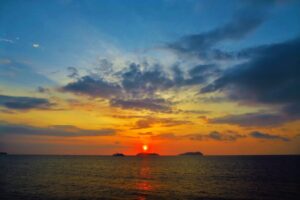
Borneo feels like a different country altogether. Kota Kinabalu (KK) is the main city of Sabah and a genuinely likeable, laid-back base. The waterfront area is pleasant, the night markets are brilliant, and the sunsets over the South China Sea from here are routinely stunning. But KK is really a launching pad for what lies beyond.
Mount Kinabalu is the highest peak in Southeast Asia at 4,095 metres, and climbing it is one of the great Southeast Asian adventure experiences. A two-day climb with an overnight at Laban Rata (a basic mountain hut) for a sunrise summit push. The climb requires a permit and a guide — the full 2-day/1-night package currently costs around RM 1,999 per person (this increased significantly in 2025 and covers permit, guide and hut accommodation). Book well in advance through the official Sabah Parks booking portal at sabapakeco.com, as permits sell out fast.
The Sepilok Orangutan Rehabilitation Centre near Sandakan on the east coast of Sabah is one of the most moving wildlife experiences you can have in Malaysia. Rescued orangutans are fed twice daily on feeding platforms in the forest, and watching them swing in from the trees is extraordinary. Entry is RM 30. Combine it with the nearby Sun Bear Conservation Centre (RM 50) and you have an incredible wildlife day.
Kinabatangan River is Borneo’s answer to the Amazon for wildlife watching. Pygmy elephants, proboscis monkeys, orangutans and a staggering variety of birds can all be spotted from river boats. Budget river safari lodges here are affordable and very good — expect to pay RM 200–350 for a 2-day package including accommodation, meals and boat trips.
Flying is the only practical option to Borneo. KL to Kota Kinabalu takes about 2.5 hours; AirAsia and Batik Air fly frequently. Book ahead and you can find fares from RM 100–150 one way. From KK, buses and minivans run to most of Sabah including Sandakan (6 hours, RM 40) where you access Sepilok and Kinabatangan.
Must-Try Foods in Malaysia
Malaysian food is arguably the best in Southeast Asia. This is a bold statement, but the country’s extraordinary cultural mix — Malay, Chinese, Indian and indigenous influences, all layered on top of each other — means the variety and depth of what ends up on your plate is genuinely unlike anywhere else. And the prices at hawker centres and kopitiam (old-school coffee shops) are absurdly low. Here are the dishes you absolutely cannot leave without trying.
Nasi Lemak
This is the national dish, and rightly so. Coconut rice served with fried anchovies, roasted peanuts, a hard-boiled or fried egg, fresh cucumber slices and a scoop of sambal (spicy chilli paste). You can get a basic wrap of it from a roadside stall for as little as RM 1.50–2.50. A proper plate at a kopitiam costs RM 5–8. Try it for breakfast — that is when locals eat it.
Char Kway Teow (Penang)
Penang’s most famous noodle dish. Flat rice noodles wok-fried at high heat with prawns, cockles, bean sprouts, eggs and Chinese sausage. Done well — and in Penang it usually is — the charred smoky flavour (wok hei) hits you like a truck. Best eaten at hawker stalls in Penang around RM 7–12 a plate.
Laksa
There are many types of laksa across Malaysia, but Penang’s Assam Laksa is the one that surprises people most. It is a sour, fishy, intensely flavoured noodle soup — not creamy like the Singaporean version — made with mackerel, tamarind, pineapple and a thick slick of shrimp paste. Polarising for some, utterly addictive for others. Try it before you judge it. RM 5–8 at any Penang hawker centre.
Roti Canai
Malaysian flatbread, flipped and slapped on a hot griddle until it is perfectly crispy on the outside and soft inside. Eaten with dhal curry or fish curry for dipping. This is a breakfast staple at any mamak (Indian-Muslim restaurant), which are open 24 hours in most cities. A roti canai with dhal costs around RM 1.50–2.50. Absolutely do not leave Malaysia without having this.
Banana Leaf Rice
A South Indian tradition that thrives in Malaysia. White rice served on a banana leaf, surrounded by small portions of curries, vegetable sides, papadum and pickles. You eat with your right hand (optional but traditional). Waiters keep coming around to refill the rice and sides. A full banana leaf meal at a good Indian restaurant costs around RM 12–18 and it is genuinely a whole event.
Satay
Grilled skewers of chicken or beef marinated in turmeric and spices, served with peanut sauce, ketupat (compressed rice), cucumber and onion. Malaysian satay is not the same as Thai satay. The charcoal grilling method is different, the sauce is richer, and the whole experience of sitting at an outdoor night stall with the smoke rising around you is hard to beat. RM 1–1.50 per stick.
Teh Tarik
Not a food, but non-negotiable. Teh tarik (“pulled tea”) is strong black tea mixed with condensed milk, and the barista pours it back and forth between two vessels to create a frothy top. It is the social lubricant of Malaysia — available at every kopitiam and mamak at any hour for RM 1.50–2.50. Order one and sip it slowly while watching the city move. This is as Malaysian as it gets.
Durian
You already know about durian. The smell, the reputation. This is the big one — the King of Fruits. If you have never tried it, Malaysia is the place to do it, especially in season (roughly June to August). Street vendors sell it by the polystyrene tray. It tastes like a rich custard with a mild onion undertone. Either you love it or you do not. But you owe it to yourself to find out which camp you are in.
How to Get Around Malaysia
Getting around Malaysia is one of the easier parts of any Southeast Asia trip. The infrastructure is solid, the bus network is extensive, and the rail connections along the west coast of the peninsula are genuinely excellent. Here is the breakdown.
Buses
Intercity buses are the backpacker’s best friend in Malaysia. They are cheap, relatively comfortable, air-conditioned (often aggressively so — bring a layer), and connect virtually every town of any size. KL’s main bus terminal is TBS (Terminal Bersepadu Selatan), reachable by metro. Book tickets online at Easybook.com or Busonlineticket.com — booking a day ahead is usually enough outside of major public holidays. Fares: KL to Penang RM 35–45, KL to Malacca RM 12–18, KL to Cameron Highlands RM 25–35.
Trains
KTM Intercity trains run up and down the west coast of the peninsula. The ETS (Electric Train Service) is the faster option and makes the KL–Penang or KL–Ipoh journey very comfortable. Fares are comparable to buses. Book at ktmb.com.my. For getting around KL itself, the integrated LRT/MRT/Monorail/KTM Komuter network is excellent and very affordable — single fares RM 1.20–5 depending on distance.
Grab
Grab (Southeast Asia’s Uber equivalent) is widely available in all cities and even smaller towns. It is safe, metered and easy to use. Much better than trying to negotiate with tuk-tuks or taxis. Highly recommended for short hops between the bus station and your guesthouse, or airport runs.
Motorbike Rental
On islands like Langkawi, and in smaller towns like those in Cameron Highlands, renting a motorbike gives you the freedom to explore at your own pace. Costs around RM 35–45 per day. You will need an international driving permit technically, though enforcement varies. Always wear a helmet.
Ferries
Essential for island access. Penang to Langkawi, Kuala Besut to Perhentian, Mersing to Tioman Island. All are run by private operators. Book at the jetty or in advance online. Timings depend on weather, especially during monsoon season.
💡 Budget Transport Tip
Night buses between major cities are a double win for budget travellers: they save you a night’s accommodation cost while covering long distances. The KL to Penang overnight bus, for instance, departs around 11pm and arrives by 4–5am. A RM 40 bus ticket just replaced your RM 30+ hostel night.
Visa Details for Malaysia
Malaysia is genuinely one of the easier countries in Southeast Asia for visa purposes. The country has generous visa-free arrangements with a large number of nationalities.
Visa-Free Entry
Citizens of most Western countries (UK, USA, Canada, Australia, EU nations), as well as many Asian nations, get 90 days visa-free on arrival. This covers the vast majority of backpackers and tourists. Citizens of some other countries get 30 days visa-free. Check the full list on the official Immigration Department of Malaysia (imi.gov.my) website before you travel, as policies can change.
eNTRI (for Indian and Chinese nationals)
Indian and Chinese passport holders can enter Malaysia on an eNTRI (electronic Travel Registration & Information) for a single entry of up to 15 days. This is applied for online before arrival at a cost of RM 50 (~USD 11) and processed quickly. If you plan to stay longer or re-enter, a standard visa needs to be arranged in advance from a Malaysian embassy.
Visa on Arrival
A small number of nationalities (primarily from certain African, Middle Eastern and South Asian countries not covered by the free arrangements) require a Visa on Arrival or a prior visa. Fees and conditions vary — again, check imi.gov.my well in advance.
Important: Peninsular vs. Borneo
If you are flying from Peninsular Malaysia to Sabah or Sarawak (Malaysian Borneo), you go through a passport check even though it is technically the same country. This is normal — Sabah and Sarawak have their own immigration controls. Your passport gets stamped again. If you are on a 90-day visa-free stay, this does not reset your days — your 90 days are counted from your original entry into Malaysia.
⚠️ Overstaying
Malaysia takes overstaying seriously. Fines and potential bans from re-entry can apply. Keep track of your permitted length of stay and do not push it. If you need more time, you cannot extend a visa-free stay — you would need to do a border run to Thailand or Singapore and re-enter.
Backpacking in Malaysia
Malaysia is a very easy country to backpack. The infrastructure is there, English is very widely spoken (Malaysia was a British colony, and English-medium education remains common), and the general safety situation is good compared to many other parts of Southeast Asia. That said, there are a few things worth knowing before you pack your bag and show up.
The Backpacker Trails
There are two main circuits in Peninsular Malaysia. The west coast trail goes: KL → Malacca → Penang → Cameron Highlands → Ipoh (worth a half-day stop for its incredible café culture and street art) → back to KL or onwards. This covers most of the highlights and works beautifully. The east coast (Terengganu, Kelantan) is wilder and less visited, with better beaches and a more traditional, rural Malay atmosphere. The Perhentian Islands sit on the east coast. Combining both coasts in one trip gives you a much richer picture of the country.
Hostel Scene
The hostel situation in Malaysia is solid. KL, Penang, Malacca and George Town all have excellent, well-reviewed hostels with rooftop bars, common rooms and tour desks. Dorm beds in KL and Penang range from RM 20–45 depending on quality. Outside the cities, guesthouses take over and are often better value — a private room in Cameron Highlands or near Taman Negara can cost RM 50–80. The Chinatown area in KL (around Jalan Petaling and Jalan Tun H S Lee) is the traditional backpacker HQ and still has good cheap options.
Budget Range
A realistic daily budget for a backpacker eating at hawker stalls, staying in dorms and using buses is around RM 80–120 per day (roughly USD 17–27). If you are comfortable spending a bit more for private rooms and the occasional sit-down restaurant, RM 150–200 per day is very comfortable. Malaysia is not rock-bottom cheap like Cambodia or Vietnam, but it is significantly more affordable than Singapore or Thailand’s tourist hotspots.
Cultural Respect
Malaysia is a Muslim-majority country, and this does shape day-to-day life in ways a traveller needs to be aware of. During Ramadan, eating or drinking in public during daylight hours (not in restaurants, but visibly on the street) is considered disrespectful in more conservative areas. Dress modestly when visiting mosques or temples — this means covered shoulders and knees for both men and women. Remove shoes before entering any mosque or temple. Most guesthouses will have a sarong available to borrow if you arrive underdressed.
On the other hand, Kuala Lumpur, Penang and Langkawi are all very cosmopolitan and relaxed. The east coast states of Kelantan and Terengganu are more conservative. Just read the room and you will be fine.
What Things Actually Cost in Malaysia
Here is a rough snapshot of typical costs so you can plan realistically. All prices in Malaysian Ringgit (RM). As of 2026, roughly RM 4.50 = USD 1.
| Item | Budget Option | Mid-Range |
|---|---|---|
| Dorm bed (hostel) | RM 20–35 | RM 40–60 |
| Private room (guesthouse) | RM 50–80 | RM 100–180 |
| Meal at hawker stall | RM 5–8 | RM 12–20 |
| Roti canai breakfast | RM 1.50–3 | — |
| Teh tarik | RM 1.50–2.50 | — |
| Beer (bottle) | RM 10–14 (shop) | RM 18–28 (bar) |
| Local bus fare | RM 1–3 | — |
| Intercity bus (KL–Penang) | RM 35–45 | — |
| Grab ride (short city hop) | RM 8–15 | — |
| Motorbike rental (per day) | RM 35–45 | — |
| Snorkelling trip (Perhentian) | RM 35–45/person | — |
| Petronas Towers (skybridge + observation deck) | RM 160–220 (foreigners) | — |
| Batu Caves entry | Free | — |
| Mount Kinabalu 2D1N climb package | RM 1,999 per person | — |
Essential & Useful Information
Currency
The Malaysian Ringgit (RM or MYR) is the currency. ATMs are everywhere in cities and towns. Withdraw cash in reasonable chunks from ATMs at banks rather than airport ATMs to get better rates. Inform your bank before travel to avoid your card being blocked.
SIM Cards
Getting a local SIM is easy and cheap. Major operators are Celcom, Maxis and Digi. Pick one up from any convenience store (7-Eleven, 99 Speedmart) or at the airport for RM 10–30 and get a decent data package. Registration requires your passport. The data coverage across the peninsula is generally good.
Weather and Best Time to Visit
Malaysia is hot and humid year-round (28–35°C in the lowlands). Rain can happen at any time, but there are seasonal patterns. The east coast (including the Perhentians) has its monsoon season from November to March — many island accommodation closes and boat services stop. The west coast and islands like Langkawi are generally drier from November to March. Cameron Highlands is cool year-round. For a comprehensive peninsular circuit, March to October is generally the sweet spot.
Safety
Malaysia is one of the safer countries in Southeast Asia for travellers. Petty theft (bag snatching, pickpocketing in busy markets) does occur in KL — keep bags in front of you and do not flash expensive items. Solo female travellers generally find Malaysia comfortable, especially in major cities and tourist areas, though some extra caution in more remote areas is sensible. Drink spiking has been reported in some nightlife areas of KL — keep an eye on your drink.
Health
No vaccinations are officially required for entry, but it is sensible to be up to date on Hepatitis A, Typhoid, and routine vaccines. Dengue fever is present in Malaysia — use mosquito repellent, especially at dawn and dusk. Tap water in KL is technically treated, but most travellers and locals drink bottled water to be safe. Street food is generally fine — look for stalls with high turnover and busy local customers.
Language
Bahasa Malaysia is the national language, but English is spoken very widely — especially in cities, tourist areas and by anyone working in hospitality. You will almost never be stuck for communication. Learning a few words of Bahasa (terima kasih = thank you, tolong = please, maaf = sorry) goes down very well with locals.
Power and Adapters
Malaysia uses the British-style three-pin plug (Type G, 240V, 50Hz). If you are coming from the US or mainland Europe, bring a travel adapter. Most quality hostels and hotels have universal plug points in at least some sockets.
Alcohol
Alcohol is available in Malaysia but with some nuance. In Chinese-owned restaurants, convenience stores and supermarkets you can buy beer and spirits without issue. Mamak restaurants (Indian-Muslim) do not serve alcohol. In more conservative states like Kelantan, alcohol is harder to find. In Langkawi (duty-free), it is notably cheaper than anywhere else in the country.
Frequently Asked Questions (FAQ)
Is Malaysia expensive to travel?
No, not by any standard. Compared to Singapore (its neighbour) Malaysia is dramatically cheaper, and even compared to Thailand’s popular tourist islands it holds up well. Eating at hawker centres and using public buses, a backpacker can live very comfortably on USD 20–25 per day. The main costs that catch people are excursions (Kinabalu climbing permits, dive courses, national park fees) rather than day-to-day expenses.
How many days do I need for Malaysia?
Minimum 10 days to cover KL plus Penang and either the Cameron Highlands or Malacca. Two weeks gives you a very satisfying peninsula circuit. If you want to include Borneo properly (Sepilok, Kinabatangan, possibly Kinabalu), add another 5–7 days for Sabah alone. Three weeks is a great length for a proper Malaysia trip.
Is it safe to travel solo in Malaysia?
Yes, very much so. Malaysia consistently ranks among the safer destinations in Southeast Asia. Solo female travellers also generally report positive experiences, though the usual common sense applies — avoid isolated areas at night, keep valuables secure in busy markets, and trust your instincts.
Do I need to know Bahasa Malaysia?
Not at all. English is very widely spoken throughout the country. Even in smaller towns and markets you will usually find someone who speaks functional English. That said, picking up a few basic phrases earns you a lot of goodwill and smiles from locals.
When is the best time to visit Malaysia?
It depends on where you want to go. For a full peninsular trip including east coast beaches and the Perhentians, March to October avoids the east coast monsoon. For Langkawi specifically, November to February is actually the dry season. Borneo (Sabah) is best visited between March and September. The monsoon does not make travel impossible — it just means more rain, usually in intense afternoon bursts rather than all day.
Can I get by as a vegetarian in Malaysia?
Mostly yes, particularly in cities. Indian vegetarian restaurants are widespread and very affordable. Chinese hawker centres usually have vegetable-based options. Things get trickier in smaller Malay towns where pork or chicken is often in most dishes — but even then, you can usually find rice with vegetable curries. Penang especially is excellent for vegetarian food.
Is it worth going to Malaysian Borneo if I’m on a tight budget?
Honestly, yes — though it costs more than the peninsula. Flights from KL are affordable, and once you are there, guesthouses and basic lodge packages for Kinabatangan and Sepilok are not extortionate. The wildlife and landscape of Borneo are completely different from the peninsula. If you have ever wanted to see wild orangutans in a jungle, this is one of the only places on earth you can do it. It is worth the extra spend.
What are the hidden gems in Malaysia that most tourists miss?
Ipoh is massively underrated — a crumbling colonial city with a brilliant café and street art scene, stunning limestone karst scenery around it, and some of the best white coffee in the world. Taman Negara gets far fewer visitors than it deserves. The Kinabatangan River in Sabah is extraordinary but remains well off the radar for most travellers. And in Penang, getting off Penang island to the mainland’s Butterworth area or taking the ferry north to Kuala Kedah gives you a very different, very local perspective on the state.
Malaysia has a way of surprising people who expected to just pass through on the way to Thailand or Indonesia. Give it proper time and it will give you some of the best food, warmest people, and most varied landscapes of any country in Southeast Asia. Pack light, bring cash, and start with a roti canai and a teh tarik. Everything else will fall into place.