There is a common idea that world travel is only for people with large salaries, endless vacation days, or a sponsor somewhere in the background. In reality, plenty of the best trips happen on a fair budgets. They are built with flexible plans, simple stays, local food, public transport usage, and a willingness to skip the polished version of travel in favor of the real one.
Budget travel is not about making yourself miserable. It is about stretching your money so you can travel longer, see more, and still come home without panic-refreshing your bank app.
Start with flights that do not drain your budget
Flights can eat up a huge chunk of a trip before it even begins, so this is usually the first place to be smart. One of the easiest ways to compare prices is Skyscanner. It is useful when you are flexible with dates, nearby airports, or even destinations. Sometimes the cheapest trip starts with not being too attached to one exact route.
A small date shift can make a big difference. Leaving on a Tuesday instead of a Friday, or flying a day earlier than planned, can save enough money to cover several meals, a night’s stay, or a local activity.
The main rule is simple: compare before you book. The first fare you see is rarely the best one.
Travel slower than you think you should
Fast travel looks exciting on paper, but it usually costs more. Every move adds transport costs, baggage stress, and the temptation to spend money just because you are tired.
Slow travel gives you breathing room. Stay longer in fewer places. Learn where the cheap food is. Figure out the transport system. Find the neighborhood café that is not in any guidebook. When you stop rushing, your daily costs often go down naturally.
And honestly, the places you remember most are rarely the ones you sprint through.
Sleep simply, but sleep well
Accommodation does not need to be fancy to be good. A clean, safe place in a good location is usually far more valuable than a stylish room far away from everything.
For budget travelers, location matters a lot. A cheaper stay on the edge of town can end up costing more in transport than a slightly better place near the main area. If you are staying longer, look for simple guesthouses, hostels, or places with a kitchen. Even being able to make your own breakfast helps more than people think.
It is not about choosing the cheapest bed. It is about choosing the bed that makes the whole trip cheaper and easier.
Eat where locals actually eat
This is one of the simplest travel truths. If a place is full of locals, there is usually a good reason. The food is better, faster, fresher, and far cheaper than most tourist restaurants.
Street food, market stalls, small family-run restaurants, and lunch spots away from the main tourist strip can completely change your food budget. They also give you a more honest taste of the place you are visiting.
Some of the best meals of a trip come from places that look too ordinary to post online.
Use attraction deals when they show up
This is where a little planning helps. If you are booking sightseeing or ticketed activities, it is worth checking Agoda, Trip.com, and Booking.com now and then because they sometimes offer discounts on attraction tickets or bundled deals. It is not something to rely on for every destination, but when the discount is there, it can make a real difference.
That is especially useful for popular attractions where ticket prices add up quickly. A small saving on a few entries can free up money for transport, food, or an extra day somewhere else.
The trick is to check, compare, and never assume the first ticket price is the final price.
Use buses, trains, and shared rides when they make sense
Private transport is comfortable, but comfort gets expensive fast. Public buses, trains, shared vans, and local transport usually do the job just fine.
Sometimes an overnight bus saves both money and a night of accommodation. Sometimes a train is cheaper and more relaxed than a last-minute flight. Sometimes simply walking more is the best budget decision in the whole trip.
The goal is not to suffer. The goal is to spend wisely.
Make free experiences part of the trip
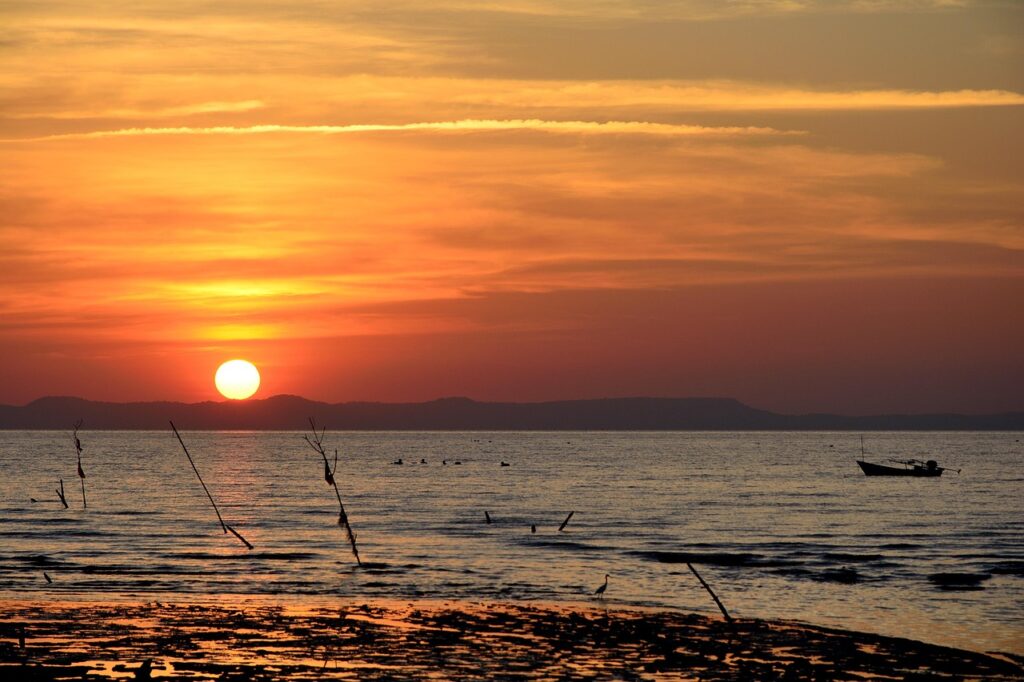
A budget trip does not mean a dull trip. Some of the best travel moments are free: watching sunset from a hill, wandering through a market, exploring a quiet old street, sitting by the water, or discovering a neighborhood by accident.
In many places, the most memorable things cost nothing at all. The value is in the atmosphere, not the ticket price.
When you travel with that mindset, you stop measuring a place only by what you paid for there.
Watch out for cheap things that become expensive
A cheap flight that lands far from town may cost more in transfers. A bargain room with no transport access may be a poor deal. A tour that looks affordable may hide extras that push the price up later.
That is why budget travel is really about the full picture. Not just the headline price.
Before booking anything, ask what the real total will be after transport, food, baggage, and time. That habit alone saves a lot of money.
Leave room for one or two splurges
Being budget-conscious does not mean saying no to everything. In fact, the smartest budget travelers are usually the ones who save in the right places so they can spend on the moments that matter.
Maybe that is one memorable meal. Maybe it is a sunrise trip. Maybe it is a boat ride, a day tour, or a special stay for one night. The point is to spend intentionally, not randomly.
Travel feels better when your money goes toward something you actually remember.
The real secret
Traveling the world on a budget is not about being cheap. It is about being thoughtful.
It means comparing flights instead of booking the first one you see. It means checking platforms like Skyscanner when you are looking for the best airfare. It means watching for the occasional attraction-ticket deal on Agoda, Trip.com, and Booking.com. It means choosing simple over flashy when simple works better. It means traveling with curiosity and a little discipline.
And most of all, it means understanding that the richest part of travel is not how much you spend.
It is how much you get to see, feel, and remember.