Rwanda is called the “Land of a Thousand Hills”, and the name is accurate. Every bus ride is a rollercoaster of green ridges, terraced farms and red dirt roads. Kigali is calm and tidy, and it has a serious coffee scene. Rwanda is one of the easiest countries in Africa to backpack, but it is not the cheapest, and the headline gorilla permit is far above a backpacker budget.
This guide is updated for 21 October 2026. It includes the safety and health situation as it stands now, because it affects how you plan.
First, the reality check
Read this before you book anything.
Safety near the DRC border. Most of Rwanda is calm, but several governments warn about areas close to the border with the DRC, and the wording differs by country:
- Australia advises against travel to Rubavu District, including the town of Gisenyi.
- The UK advises against all but essential travel to the north-western part of Rubavu District and to parts of Rusizi District within 10 km of the DRC border (this includes Kamembe Airport and the Rwandan islands in Lake Kivu).
- The US (May 2026 advisory) says do not travel to Rubavu or Rusizi within 10 km of the DRC border, and also names Musanze District within 10 km of the border.
- Canada advises a high degree of caution in the Gisenyi area, near the border in Rusizi, and along the border section of Volcanoes National Park.
Rwanda’s land borders with both the DRC and Burundi are currently reported as closed. Read your own government’s page the week you fly, because some of these warnings can affect travel insurance.
Ebola outbreak in the DRC. The outbreak is ongoing, and US health authorities have described it as worsening. Rwanda denies entry to foreign nationals who have travelled to or transited through the DRC in the previous 30 days, and arrivals face health screening and temperature checks. Rwanda’s health ministry has stated there are no cases in Rwanda, but check the latest notice before you travel.
If you are combining Rwanda with Uganda, note that the US and Canada have their own entry restrictions for people who have recently been in the DRC, Uganda or South Sudan (21 days). The US order currently runs to 10 November 2026 and Canada’s measures to 27 November 2026, and both can be extended. If you are flying home to either country, check this first.
None of this means “don’t go”. It means plan with current information, keep your itinerary flexible, and skip the border zones.
Entry and visa
A 30-day tourist visa on arrival is available to all nationalities, or you can apply in advance on Rwanda’s official Irembo portal. The fee is $50 for a single entry (30 days) or $70 for multiple entry (90 days). Citizens of African Union, Commonwealth and La Francophonie countries get the 30-day visa free, so UK and Australian passport holders are generally covered, but confirm for your passport. The East African Tourist Visa (Rwanda, Kenya, Uganda) is $100 for 90 days.
Your passport should be valid for at least six months. If you arrive from a yellow fever risk country, carry your vaccination certificate. Plastic bags are banned, and officials can confiscate them at the airport, so pack with cloth or dry bags.
Getting around: buses, motos and patience
Transport is the backpacker’s best friend here.
- Intercity buses leave from Nyabugogo terminal in Kigali. Companies such as Volcano Express and Virunga Express are the well-known reliable options, and buses on main routes leave frequently. Buy your ticket at the company counter on the day.
- Kigali to Musanze (the gateway to the volcanoes, about 90 km) takes roughly 2.5 hours. Expect a fare of roughly 3,000 to 6,000 RWF, a few US dollars.
- Moto-taxis are everywhere. Short rides in Kigali run roughly 700 to 2,000 RWF. Helmets are mandatory and drivers carry a spare. Agree the price first, hold on tight, and skip motos in heavy rain.
- National parks have no public transport inside them, so Akagera especially needs a tour, a rental or a shared driver.
Costs at a glance (international visitors)
| Item | Cost |
|---|---|
| Tourist visa, single entry (30 days) | $50 (free for AU/Commonwealth/Francophonie nationals) |
| Tourist visa, multiple entry (90 days) | $70 |
| Gorilla trekking permit (Volcanoes) | $1,500 |
| Discounted gorilla permit, Nov-May, with conditions | about $1,050 |
| Nyungwe park fee | $100 for one night/day, $150 for two, $200 for three |
| Nyungwe chimpanzee tracking | $150 |
| Nyungwe canopy walk (activity fee) | $40 |
| Nyungwe camping (own tent) | $15 per person per night |
| Akagera park entry | $100 per person per day |
| Akagera vehicle fee (foreign-registered car) | $40 |
| Akagera scheduled boat trip | $35 |
| Kigali Genocide Memorial | Free (donations welcome) |
Park fees are published by the parks themselves and can change, so confirm before you pay. Nyungwe and Akagera are cashless: use a card, mobile money or bank transfer, and book ahead.
My suggested backpacking route (about 10 to 14 days)
Kigali (2 to 3 days)
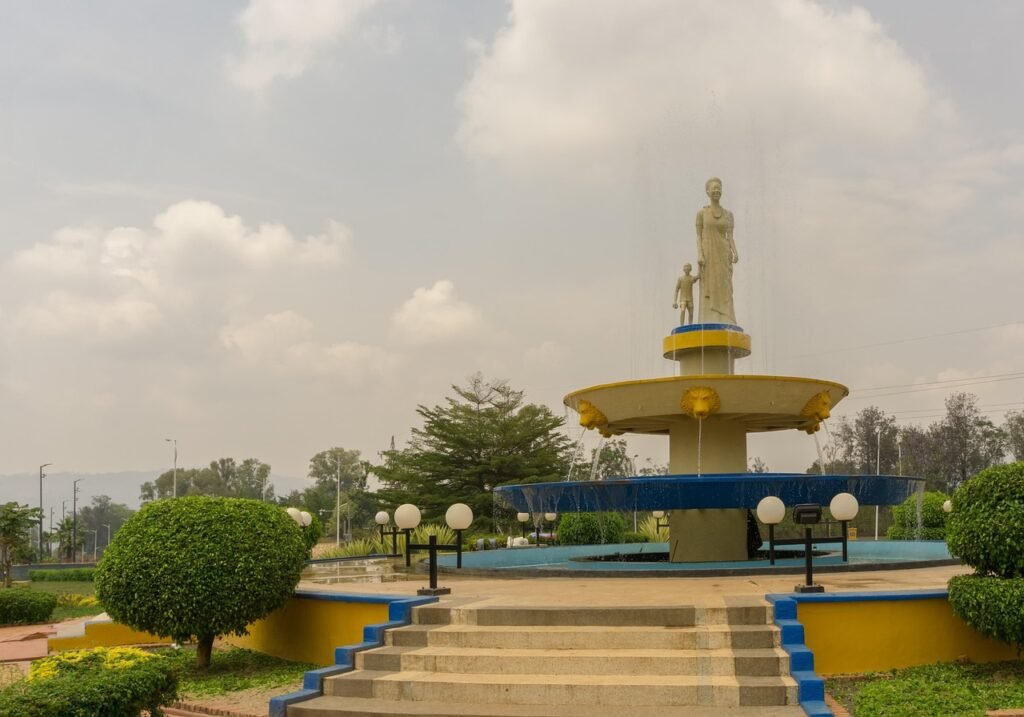
Kigali hits different from most African capitals. It’s clean, the streets are quiet at night, and the city has a clear sense of purpose. Your first stop should be the Kigali Genocide Memorial. Entry is free, though a donation is appropriate. It is heavy, honest and a must. Give it a few hours, and don’t schedule anything cheerful straight after.
For the lighter side, wander Kimironko Market for fruit and fabric, visit Inema Arts Centre, and join a walk in Nyamirambo, the most lively neighbourhood. Eat brochettes, try isombe (cassava leaves) and drink Rwandan coffee. All of it is worth a visit.
Musanze and the volcanoes (2 to 3 days)
Musanze is a small base town surrounded by the Virunga volcanoes. Because it sits near the DRC border, read the current advisory for Musanze District before you go, and stay in town rather than wandering toward the border area. If you can’t stretch to a gorilla permit, the scenery alone is worth a visit: Musanze Caves and the Twin Lakes (Burera and Ruhondo) are easy day trips by moto-taxi. Golden monkey tracking and volcano hikes are also offered through RDB. Get current prices from the Rwanda Development Board or a licensed operator.
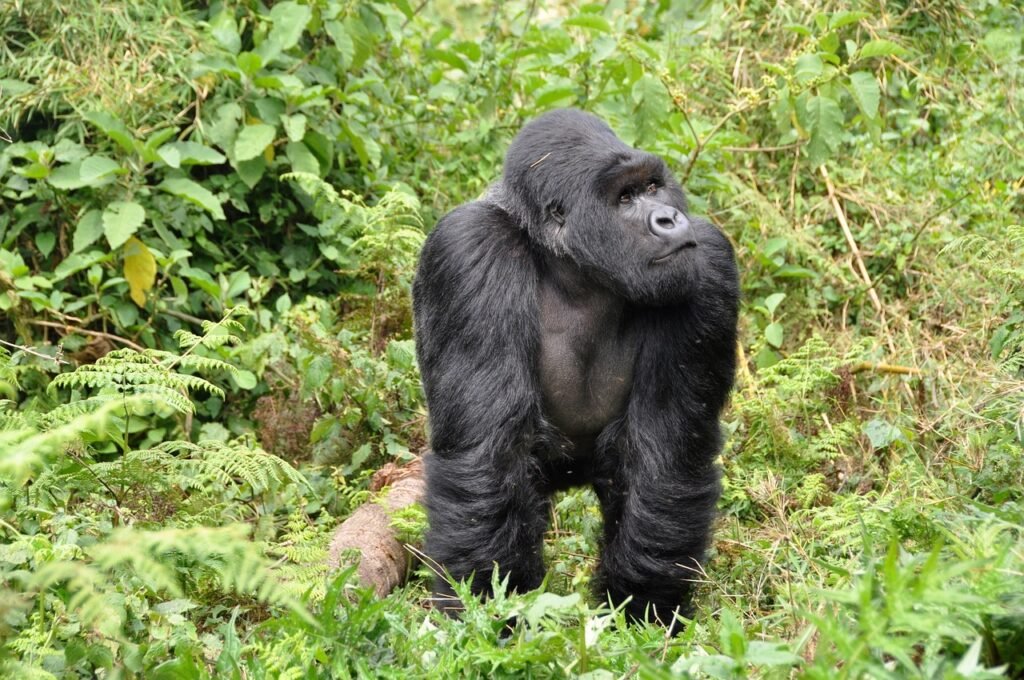
If you can afford the gorillas, it is the hour you will remember. The permit is $1,500, and bookings go through RDB (cash is not accepted at the park). For travellers who visit between November and May, RDB offers a 30% discount, about $1,050, if you also spend two nights in Akagera and/or Nyungwe and pay for an activity there. Each person gets one discounted permit per qualifying stay. Trekkers must be at least 15, and trek length ranges from about 1 to 6 hours depending on where the family is.
Lake Kivu, the quieter side (2 days)
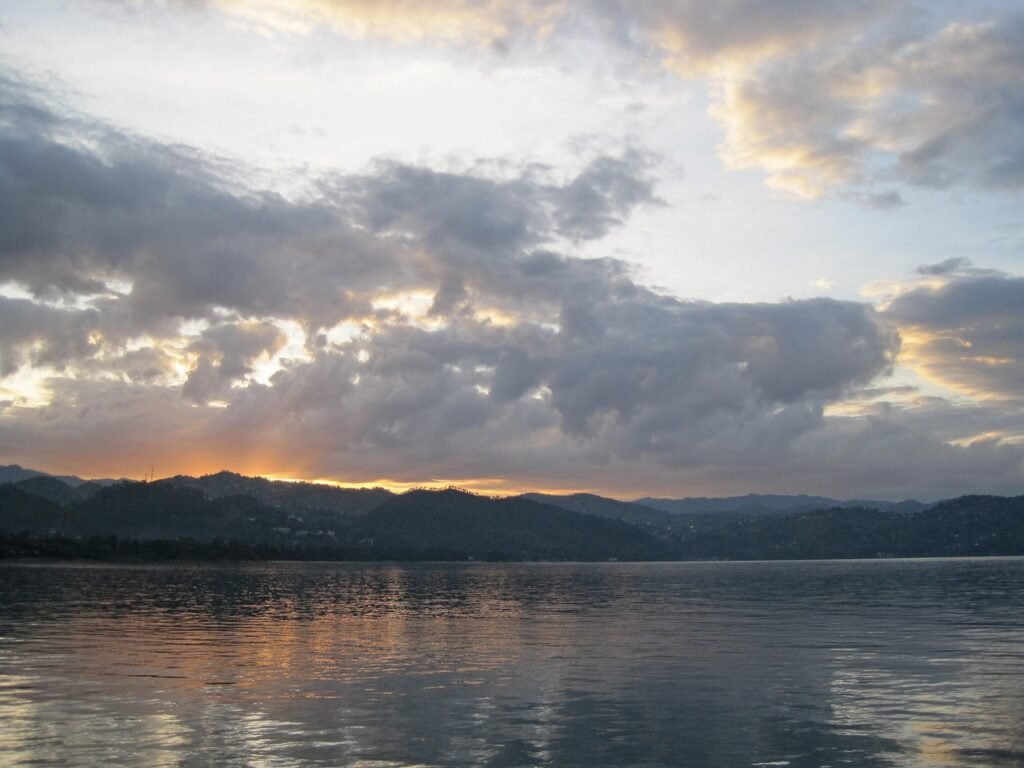
Skip Gisenyi for now and head for Karongi (Kibuye), a few hours by bus from Kigali, where the lake is calm and boat trips go to the islands. Bring cash, as food and ATM options thin out away from big towns. Note that the classic Congo Nile Trail starts in Rubavu and ends in Rusizi, both inside current advisory areas, so I would not plan the full route right now.
Nyungwe Forest National Park (2 to 3 days)
Nyungwe is one of Africa’s oldest rainforests, and for me it’s the high point for budget travellers. Park entry for international visitors is $100 for one night or day, $150 for two and $200 for three. On top of that, chimpanzee tracking is $150 and the canopy walk is $40, with a minimum of two guests per activity (groups can be joined). Camping with your own tent is $15 per person per night, which makes this one of the best-value stops in the country. Chimp trekking is a must if you are fit enough, and if you are lucky, you will hear the chimps calling before you see them.
Getting there takes most of a day by bus from Kigali, usually via Huye and Nyamagabe, often with a change. Start early and confirm the last leg to the park gate with the park reception. UK advice notes past incidents on the Nyamagabe-Rusizi road through the forest, so check the advisory and avoid travelling after dark.
Akagera National Park (optional, 1 to 2 days)
Akagera is Rwanda’s savannah park, with lions, giraffes, hippos and elephants. International visitors pay $100 per person per day, plus a vehicle fee of $40 for a foreign-registered car. A morning boat trip on the lake is $35. It is only a couple of hours’ drive from Kigali, but tough without a vehicle. Split a car and driver with other backpackers to bring the cost down, and book through the park, which only takes cashless payments.
Money and daily costs
Rwanda uses the Rwandan franc (RWF). ATMs are common in Kigali and larger towns like Musanze, so carry some cash for rural areas, but remember the big parks only take cards, mobile money or transfers. Kigali tends to cost more than towns like Musanze or Huye for cafes, restaurants and hotels. The big spend is always parks and permits, not food and beds. Eat at local spots, use buses and book hostels or guesthouses, and day-to-day costs stay manageable.
A few cultural notes
- Umuganda: on the last Saturday of each month, communities do public work in the morning. Shops and transport slow down, so plan around it.
- Photography: ask before photographing people, and don’t photograph government buildings or security personnel.
- Dress: modest, casual clothes are best. Bring a rain jacket in any season.
- Language: Kinyarwanda is the main language. Many people speak French or English. A simple Murakoze (thank you) goes a long way.
When to go
The long dry season (roughly June to September) and the shorter dry spell around December to February are the easiest for hiking, and gorilla permits sell out earliest then. Rain is possible year-round in the hills, and October to November brings showers. Trails are muddier then, but the country looks great, crowds are smaller, and from November the gorilla permit discount becomes available.
FAQs
Is Rwanda safe for backpackers? Most of Rwanda is calm and well-organised. Pay attention to government advisories for areas close to the DRC border, especially Rubavu/Gisenyi, parts of Rusizi and the border zone of Musanze District, and check health and entry rules before you travel.
Do I need a visa for Rwanda? Most visitors can get a 30-day visa on arrival for $50, or apply on Irembo in advance. Citizens of African Union, Commonwealth and La Francophonie countries get it free. Check the official portal for your passport.
Can I enter Rwanda if I have been to the DRC or Uganda? Rwanda currently refuses foreign nationals who have been in or transited through the DRC in the last 30 days. Uganda is not on Rwanda’s list, but your home country (for example the US or Canada) may restrict entry after Uganda, so check before combining the two.
How much does gorilla trekking cost in Rwanda? The permit is $1,500 for international visitors, or about $1,050 with the November to May discount if you meet RDB’s multi-park conditions. Add transport, lodging and tips for rangers and guides.
Can I backpack Rwanda without gorilla trekking? Yes. Kigali, Musanze’s scenery, southern Lake Kivu and Nyungwe are all great without a gorilla permit.
How much are Nyungwe’s chimp trek and canopy walk? Chimpanzee tracking is $150 and the canopy walk is $40, on top of the park fee ($100 for the first night or day for international visitors).
How do I get from Kigali to Musanze? Take a bus from Nyabugogo. It takes around 2.5 hours and costs a few thousand francs.
What’s the best time to visit? June to September and December to February are generally drier. November to May is the window for the gorilla permit discount.
Is Rwanda cheap? Transport and food are affordable by international standards. Park permits and activities are where the money goes.