Southeast Asia is still the #1 backpacker destination in the world, and for good reason. The combination of cheap food, dirt-cheap transport, insane culture, and non-stop things to do makes it hard to beat. The $40/day figure in the title is real and achievable across most of this route — this is not a “budget travel” article that secretly costs $100. This southeast asia backpacking itinerary takes you through three countries in 10 days: Thailand → Vietnam → Cambodia. Let’s get into it.
The Route Overview
This itinerary starts in Bangkok, heads north to Chiang Mai by overnight train, then jumps across to Hanoi by budget flight, squeezes in a Ha Long Bay trip on day 8, and finishes strong in Siem Reap for Angkor Wat. Total distance covered is roughly 4,000 km across three countries. It sounds like a lot, but the transport is efficient and cheap when you plan it right.
| Day | Location | Highlight | Est. Cost (USD) |
|---|---|---|---|
| Day 1 | Bangkok, Thailand | Grand Palace + Chao Phraya river | ~$38 |
| Day 2 | Bangkok | Street food + Wat Pho | ~$32 |
| Day 3 | Bangkok | Khao San Road, Wat Arun | ~$35 |
| Day 4 | Chiang Mai, Thailand | Overnight train + check in | ~$35 |
| Day 5 | Chiang Mai | Doi Suthep + Night Bazaar | ~$32 |
| Day 6 | Hanoi, Vietnam | Old Quarter walk + Hoan Kiem Lake | ~$30 |
| Day 7 | Hanoi | Street food crawl + Hoa Lo Prison | ~$30 |
| Day 8 | Ha Long Bay | Budget day cruise or overnight cruise | ~$65–$150 |
| Day 9 | Siem Reap, Cambodia | Angkor complex — full day | ~$45 |
| Day 10 | Siem Reap | Angkor sunrise + Pub Street | ~$40 |
Day-by-Day Breakdown
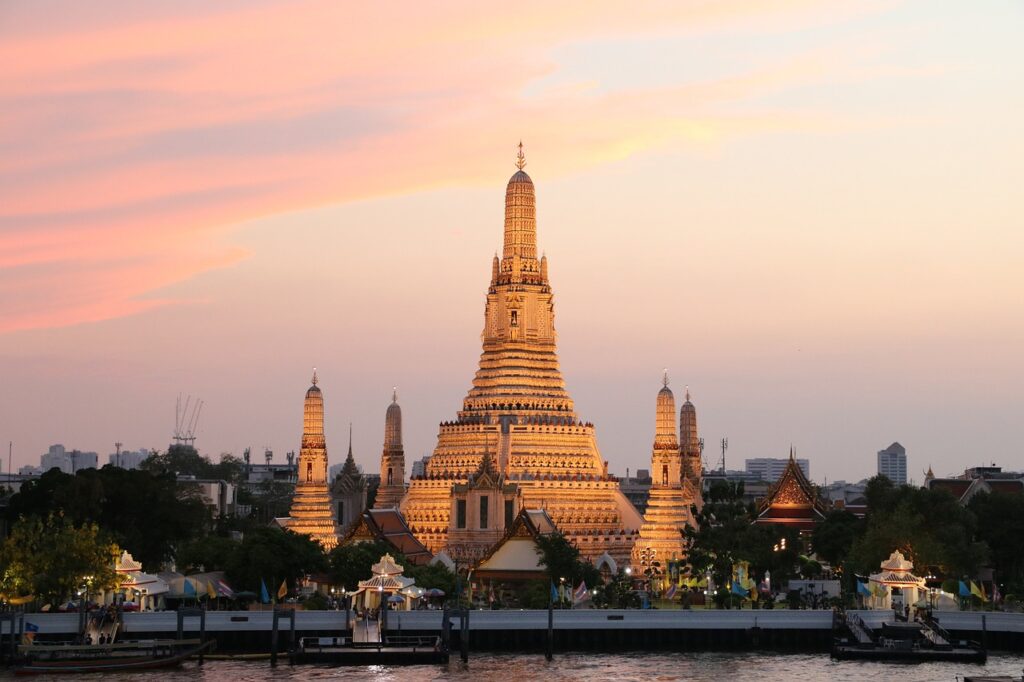
Days 1–3: Bangkok, Thailand
Getting There: Most flights into SEA land in Bangkok’s Suvarnabhumi Airport (BKK). From the airport to the city center, take the Airport Rail Link to Phaya Thai station — it costs around 45 THB (~$1.30) and takes about 30 minutes. Skip the taxis unless you are in a group.
What to Do:
The Grand Palace is a must for day one. Yes, it is touristy. Yes, it is worth it. Set aside at least 2–3 hours. Entrance fee is 500 THB (~$15). Dress code is strict — no shorts, no sleeveless tops. Cover-ups can be rented on site if you forget.
Wat Pho is right next door to the Grand Palace and has the famous Reclining Buddha — 46 meters long and covered in gold leaf. Entrance is 300 THB (~$9). It is one of the most impressive things you will see in Bangkok, and the Grand Palace and Wat Pho together make for a full and rewarding day.
Day two, slow things down. Wat Arun (Temple of Dawn) on the opposite bank of the river is a great call — entrance is 200 THB (~$6), and you get there by cross-river ferry from Tha Tien pier for just 5 THB. The view of the city from the temple steps is excellent, especially in the late afternoon light.
Day three is good for wandering the Khao San Road area. It gets a bad rep for being a backpacker circus, but the surrounding streets have genuinely good food spots and a lively atmosphere. Street food on this stretch is excellent — pad thai from a cart will run you 50–80 THB (~$1.50–$2.50).
Where to Stay: Hostels around Khao San Road and the Banglamphu area run $6–$12/night for a dorm. Lub d Bangkok Silom and NapPark Hostel are well-reviewed options in that range.
What to Eat: Tom Yum noodles from a street stall is around $1–$2. Mango sticky rice from a cart near Khao San, around $1.50. Eat where locals eat — if there is a queue of Thai people, join it.
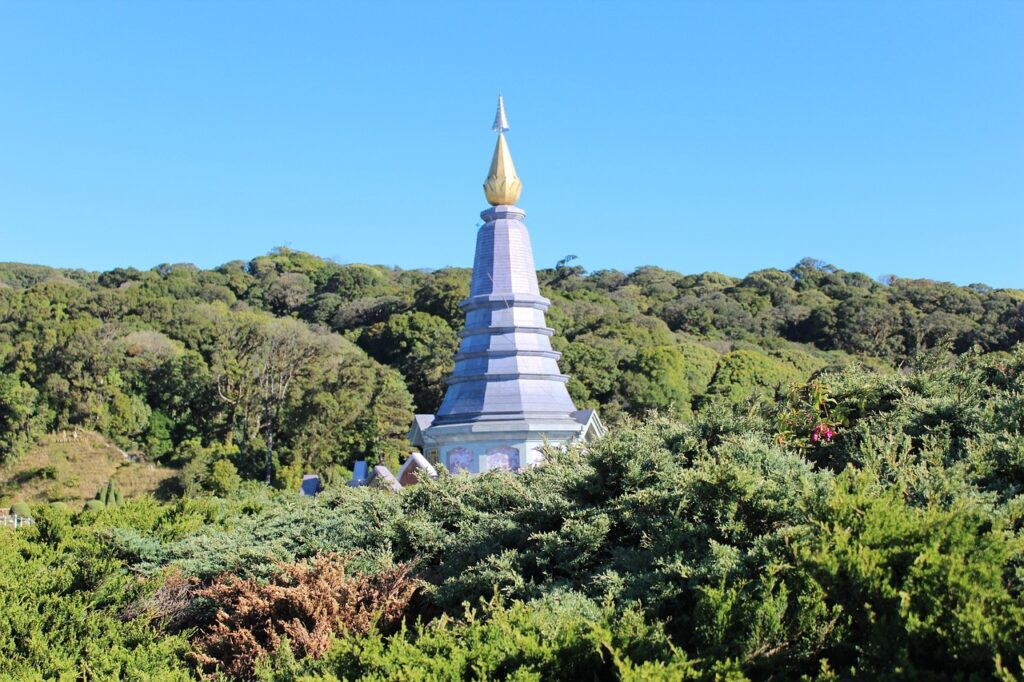
Days 4–5: Chiang Mai, Thailand
Getting There: Take the overnight train from Krung Thep Aphiwat Central Terminal (Bang Sue Grand Station) in Bangkok to Chiang Mai. Note: this is no longer Hua Lamphong — all long-distance trains now depart from Krung Thep Aphiwat. The journey takes around 12–13 hours and the popular Train #9 departs around 6:40 PM, arriving early morning. A 2nd class AC sleeper berth costs around 940–1,040 THB (~$28–$32). This is one of the best value moves on the whole itinerary — you save a night’s accommodation and wake up in Chiang Mai. Book at least 3–4 weeks in advance through the official SRT D-Ticket website or 12Go.Asia, as these trains sell out.
What to Do:
The Old City in Chiang Mai is where you spend most of your time. It is a square moat-surrounded area packed with temples, cafes, street food, and guesthouses. Wat Chedi Luang is one of the most impressive temples in the Old City — free to enter, though a donation is welcome.
Doi Suthep temple sits on a mountain about 15 km from the city center and gives a stunning view of Chiang Mai below. The temple itself has gold-covered chedis and intricate detail everywhere. Entrance is 50 THB ($1.50–$2) per person each way. If you are lucky with the timing, you might catch a monk ceremony in the morning.
Do not miss the Saturday or Sunday Night Bazaar if your days align. The Sunday Walking Street on Wualai Road is the better one — stretches for about 1 km, loaded with street food, handicrafts, and live music. Budget about $5–$10 for food and anything you pick up along the way.
Where to Stay: Dorms in Chiang Mai are among the cheapest in all of SEA. You can find solid dorms for $5–$9/night in the Old City area. Green Sleep Hostel and Mad Monkey Chiang Mai are popular picks.
What to Eat: Khao Soi is the local dish you must try — a coconut curry noodle soup that hits different compared to anything else you will have in Thailand. Around 50–80 THB ($1.50–$2.50) at a local shop.
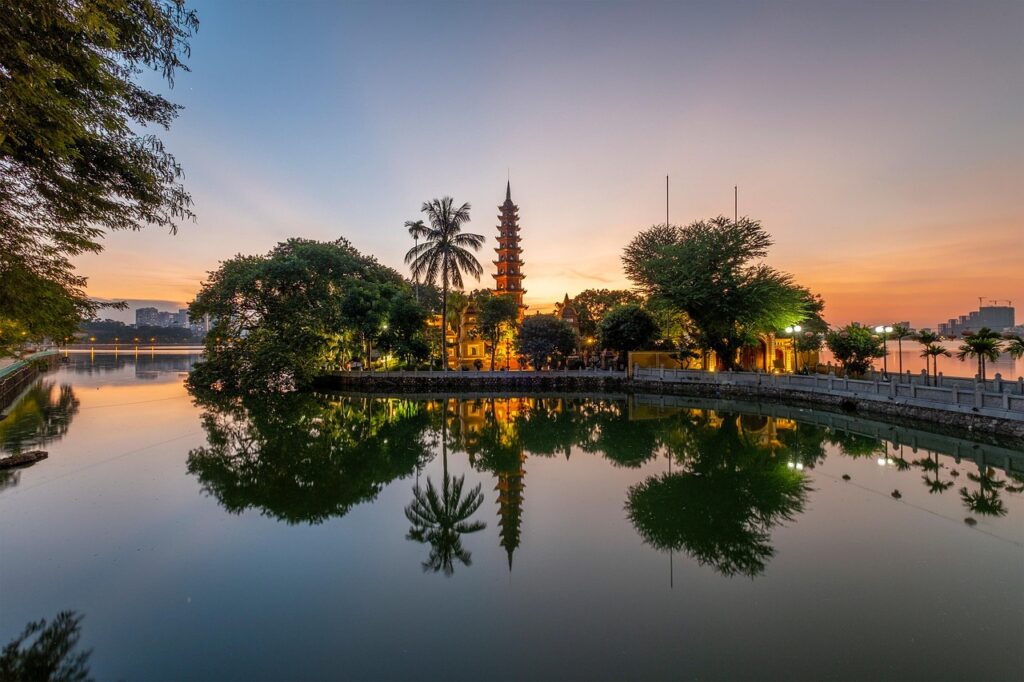
Days 6–7: Hanoi, Vietnam
Getting There: Fly from Chiang Mai (CNX) or Bangkok (BKK) to Hanoi (HAN). Budget airlines like AirAsia, VietJet, or Nok Air often have fares as low as $30–$60 if you book a couple of weeks in advance. Flight time is around 2 hours from Bangkok. From Noi Bai Airport to the Old Quarter, a taxi or Grab costs around $10–$12, or take the bus for about $1.
What to Do:
The Old Quarter is the main event in Hanoi. It is compact, walkable, and absolutely packed with life — street food vendors, motorbike traffic, narrow shop-houses, and tiny alleyways. Just walking around here for a couple of hours gives you more than any guided tour would.
Hoan Kiem Lake is right on the edge of the Old Quarter. Walk the perimeter in the evening when locals come out to exercise and socialise. The Ngoc Son temple sits on a small island in the lake — entrance is 50,000 VND (~$2).
Hoa Lo Prison (the “Hanoi Hilton”) is a must for anyone with any interest in Vietnam’s history. The museum is sobering and important. Entrance is 50,000 VND (~$2) and you can spend 1–2 hours here easily.
Ho Chi Minh Mausoleum is worth a visit if you go in the morning — it is free but has restricted opening hours and specific dress codes. Check timings before you go.
Where to Stay: The Old Quarter has great dorm options for $6–$10/night. Hanoi Backpackers Hostel is a classic, or check out Hanoi Rocks Hostel for something a bit more social.
What to Eat: Bun cha is the Hanoi dish everyone talks about — grilled pork served with vermicelli noodles and a dipping broth. Around $1.50–$2.50 at a local spot. Banh mi from a street cart is often under $1. Egg coffee (ca phe trung) is unique to Hanoi and worth trying at least once — around $1.50 at a local cafe.
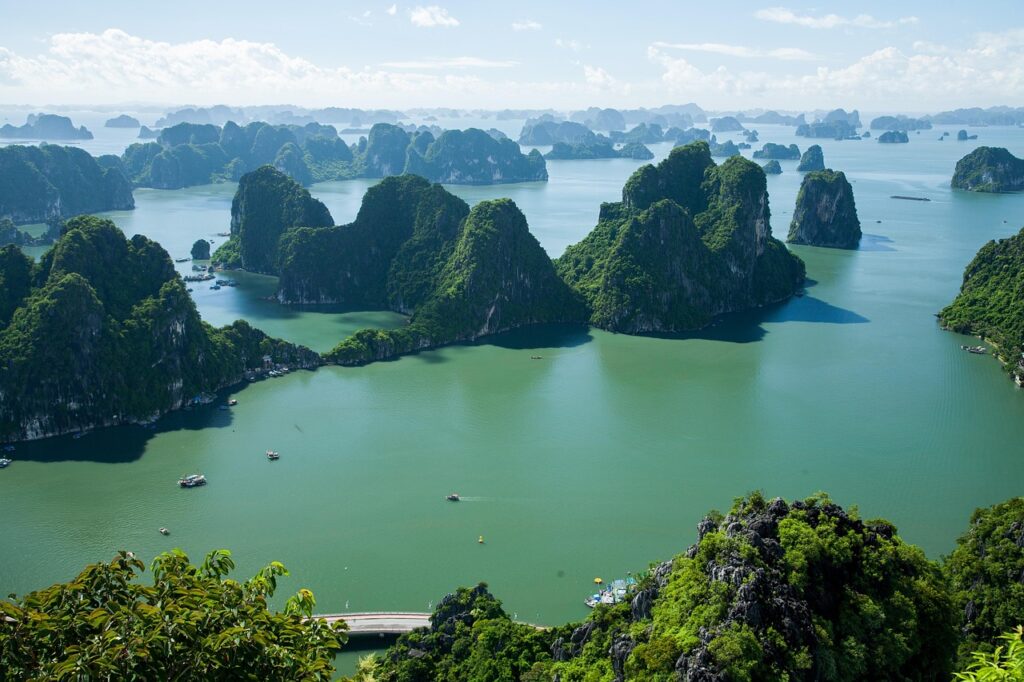
Day 8: Ha Long Bay
Ha Long Bay is one of those places that actually lives up to the hype. Thousands of limestone islands rise out of the emerald green water — it is genuinely one of the most impressive natural landscapes in Asia.
Getting There: Ha Long Bay is about 170 km from Hanoi, roughly a 3.5-hour drive. Most backpackers book a cruise or day tour from Hanoi that includes the transfer. Book through your hostel rather than random street operators for better vetting on safety and boat quality.
Budget reality check: Ha Long Bay is the one day on this itinerary that pushes well above the $40/day target. Budget day cruises (around 7–8 hours on the water, including Titop Island and a cave visit) currently start from around $60–$75 per person including transport from Hanoi. Basic overnight cruises (2 days/1 night, which is the far better experience) start from around $125–$150 per person for the most affordable options. Neither is cheap. Plan for it as a separate one-time cost and trim spending on the days around it — it is worth budgeting for.
What to Do on the Bay:
Kayaking through limestone cave openings into enclosed lagoons is a highlight on most itineraries. It hits different.
Titop Island has a viewpoint reached by around 400 steps. The view from the top over the bay is worth every step.
Sung Sot (Surprise Cave) is the largest cave system in the bay — three chambers and impressive stalactite formations that genuinely surprise most visitors despite all the photos they have seen beforehand.
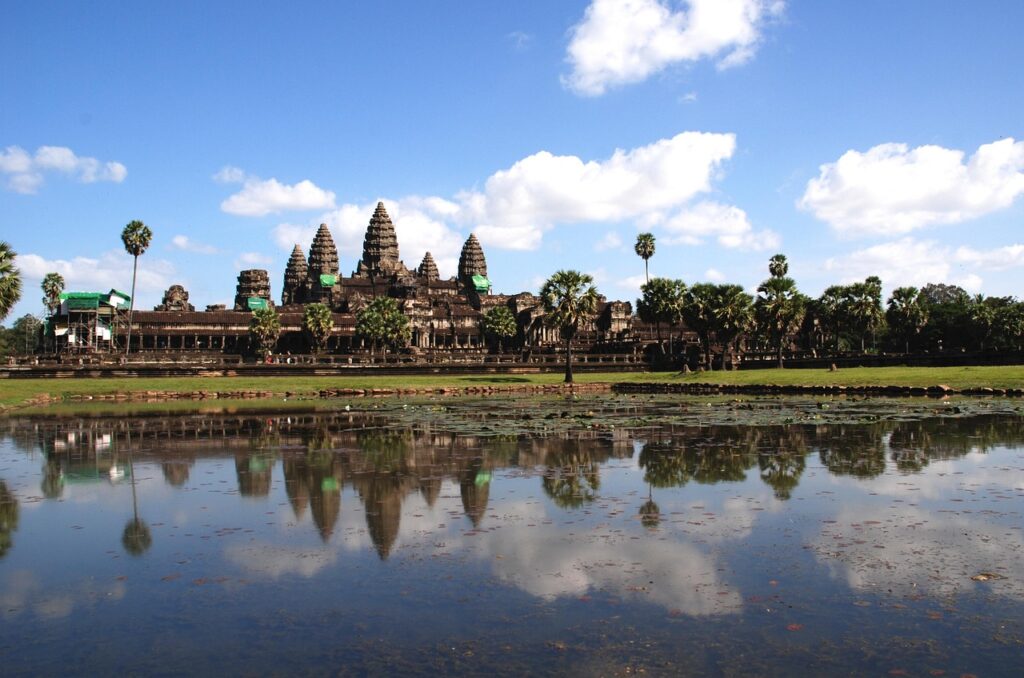
Days 9–10: Siem Reap, Cambodia
Getting There: Fly from Hanoi (HAN) to Siem Reap (REP). Budget airlines connect this route, sometimes with a stopover. Flights typically run $50–$90. From Siem Reap airport to town, tuk-tuks charge around $5–$7.
What to Do:
Angkor Wat is the reason you are here. The temple complex covers around 400 acres and houses close to 1,000 ancient temples. Angkor Wat itself is stunning and remarkably well-preserved. The carvings on the walls tell stories from Hindu mythology and deserve a slow look. Do not rush this place.
Ticket prices: 1-day pass is $37, 3-day pass is $62, 7-day pass is $72. For this itinerary a 1-day pass works if you are very short on time, but if you want to cover Angkor Wat, Ta Prohm, and Bayon properly, two days is better — go for the 3-day pass. Buy tickets at the official Angkor Ticket Office on Road 60 (about 4 km from town, open from 5 AM), or buy online at angkorenterprise.gov.kh.
Ta Prohm — also known as the Tomb Raider temple — is where a massive tree has literally split the temple open with its roots over centuries. The vines, the jungle, the crumbling stone — it hits different to every other temple. Don’t miss it.
Bayon temple is known for its huge stone faces carved into every tower. Over 200 faces stare out in every direction. It looks like a puzzle from outside, but up close it is seriously impressive.
Go for the sunrise on your second morning. Angkor Wat faces west and reflects in the moat at sunrise — it is one of the most photographed spots in all of Asia and genuinely earns the hype. Get there by 5:30 AM, before the tour buses roll in.
Pub Street in Siem Reap is the social hub for backpackers at night. Cheap beers, Khmer BBQ restaurants, and a decent night market nearby. You can eat well here for $4–$6.
Where to Stay: Dorm beds in Siem Reap start at $5–$8/night. Mad Monkey Siem Reap and Onederz Hostel are both popular and well-located.
What to Eat: Try amok — a coconut curry steamed in banana leaf, one of the signature Khmer dishes. Around $4–$6 at a local restaurant. Lok lak (stir-fried beef with a peppery sauce) is another good call at around $3–$5.
Daily Budget Breakdown
| Category | Daily Cost (USD) | Notes |
|---|---|---|
| Accommodation | $7–$10 | Dorm beds in hostels |
| Food | $8–$12 | Mix of street food and local sit-down spots |
| Transport | $5–$8 | Local tuk-tuks, trains, shared rides |
| Activities | $6–$10 | Entrance fees, temples, parks |
| Miscellaneous | $2–$4 | SIM card, snacks, water, tips |
| TOTAL | ~$28–$44 | Avg. ~$38/day across most days |
Note on Ha Long Bay: Day 8 is the outlier. Budget day cruises start around $60–$75 and overnight cruises from $125–$150. Plan for it as a separate one-time cost and trim spending on the days around it.
Money-Saving Tips for This Route
Use overnight transport to save on accommodation
The Bangkok to Chiang Mai overnight train is a perfect example. You pay ~$28–$32 for the sleeper berth, travel through the night, and arrive in the morning. That is one night’s accommodation effectively free. Book at least 3–4 weeks in advance — the 2nd class AC sleeper sells out fast.
Eat where the locals eat
If you see an air-conditioned restaurant with an English menu and photos near a tourist site, it will cost 3x more than the noodle stall two streets away. Walk a few blocks from the main tourist drag and the prices drop dramatically. In Hanoi, a bowl of pho at a plastic chair on the pavement will cost you $1. The same dish in a tourist restaurant near Hoan Kiem is $5–$7.
Book budget flights early
AirAsia, VietJet, and Nok Air often have seat sales. The Bangkok or Chiang Mai to Hanoi flight is the big one on this itinerary. Book it 3–4 weeks in advance and you can get it for $30–$60. Book the week before and it can jump to $80–$120.
Get a local SIM card at the airport
In all three countries, local SIMs are cheap and available right at arrivals. Thailand: ~$5–$8 for 7 days of data. Vietnam: ~$4–$7 for 7 days. Cambodia: ~$3–$5. Do not rely on hotel Wi-Fi for maps and ride apps — it slows you down.
Group up for transport
Tuk-tuks, songthaews, and some tours are priced per vehicle, not per person. If you are travelling solo, team up with people from your hostel. Splitting a tuk-tuk to Angkor Wat between three people drops your individual cost significantly.
Skip the Angkor guide for Ta Prohm and Bayon, hire one for Angkor Wat
A guide at Angkor Wat itself adds real value — the history and stories behind the carvings are worth it. For Ta Prohm and Bayon, the visual experience speaks for itself. Guides charge $25–$35 for the day, so a shorter arrangement just for Angkor Wat can save you money.
Best Time to Do This Itinerary
The dry season is the sweet spot for this route. For Thailand and Cambodia, that runs from November to April. Skies are clear, heat is manageable, and you avoid the muddy roads and flooding that come with the monsoon. January and February are peak season — expect more crowds at Angkor and slightly higher hostel prices. March and April are hot but quieter, and the Songkran water festival in Thailand happens in mid-April which is an experience in itself.
Vietnam is a bit different. Hanoi and the north have a cool, dry period from October to April, which lines up well with this itinerary. Ha Long Bay is best visited between March and October when the waters are calmer and visibility is better. December to February can be misty and cooler, which is fine but not ideal for the bay.
If you are travelling May to September, it is not a deal-breaker. The rain in Thailand and Cambodia tends to come in afternoon showers rather than all-day downpours. You will save on accommodation and flights, and the landscapes are incredibly green. Just pack a light rain jacket.
Frequently Asked Questions
Is $40/day realistic in Southeast Asia?
Yes, on most days of this itinerary. The $40/day figure works if you stay in dorms, eat local food, and use shared transport. The exception is Ha Long Bay day 8, which will cost significantly more regardless of how you do it — budget that separately. The Angkor pass ($37–$62) and international flights within the route are also one-time costs to plan for. On a typical day in Bangkok, Chiang Mai, Hanoi, or Siem Reap, $40 is very achievable.
Do I need a visa for Thailand, Vietnam, and Cambodia?
Most passport holders get visa-free entry to Thailand for 30–60 days on arrival. For Vietnam, many nationalities currently get 45 days visa-free — this includes citizens of Germany, France, Italy, Spain, the UK, Japan, South Korea, and several others. US citizens are not on the visa-free list and need an e-visa ($25, valid up to 90 days, available at evisa.gov.vn). Cambodia offers a visa on arrival for most nationalities at $30 USD, or an e-visa for the same price which you apply for online before arrival. Always check requirements for your specific passport before booking flights — policies do change.
How many days is enough for Southeast Asia?
Ten days gives you a solid taste of three major destinations, but it is still a taste. If you have two to three weeks, you can slow down, add southern Thailand’s islands, more of Vietnam’s coast, or extend into Laos. The 10-day route in this article works well as a first trip or for people with limited time — you hit the highlights without feeling like you are just racing between airports.
Is Southeast Asia safe for solo backpackers?
Yes, and it is one of the most established solo backpacker routes in the world. The hostel culture is great, solo travellers are the norm rather than the exception, and it is easy to meet people and team up for transport or day trips. Basic street smarts apply everywhere: watch your belongings in busy markets, use Grab (the go-to ride-hailing app across SEA) rather than random taxi drivers, and book transport through reputable operators. Petty theft is the main thing to be aware of. Overall, Southeast Asia is very beginner-friendly for solo travel.
Stop over-researching and start booking. The prices are not going down, and this itinerary works — tens of thousands of backpackers do this route every year. Pick your dates, grab the flights while they are cheap, and figure out the finer details on the road. That is how it works.